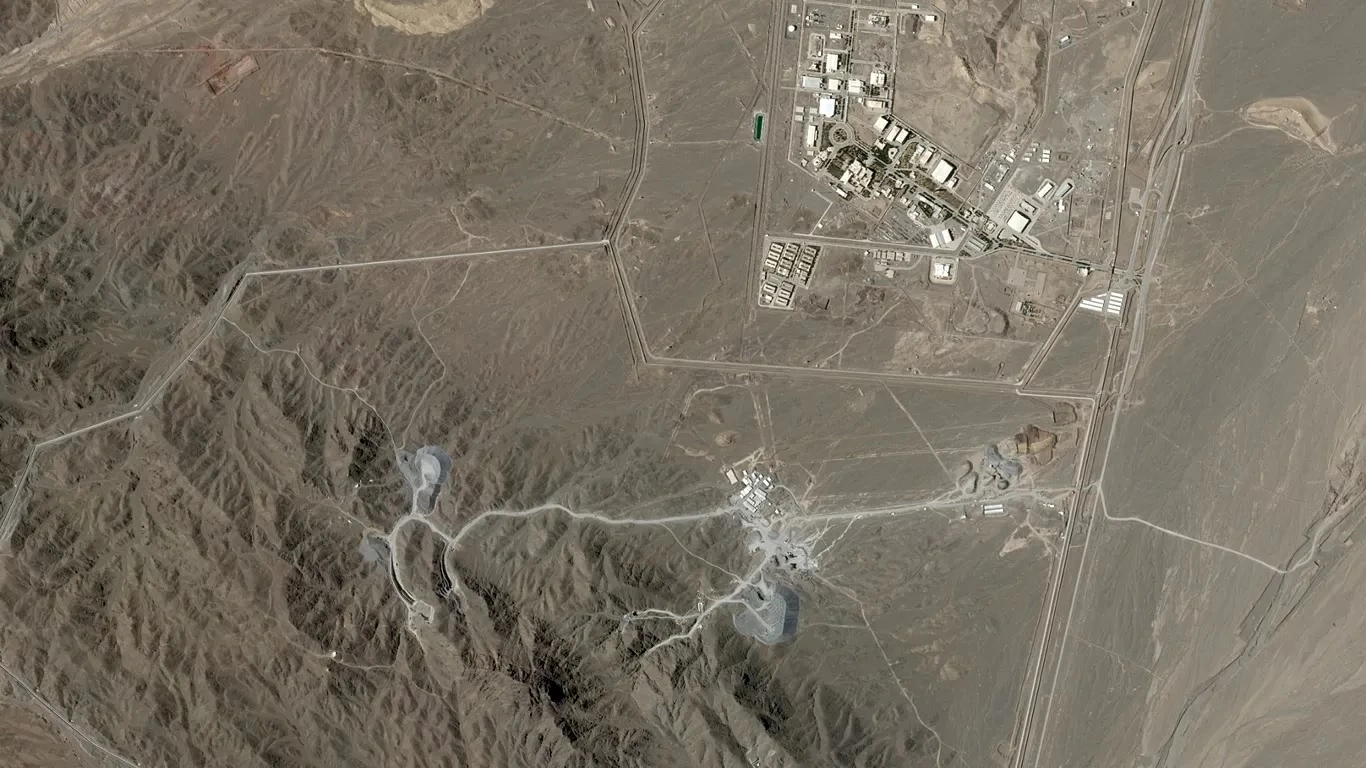
رجحت تقارير إسرائيلية أن يتصدر «جبل الفأس» الإيراني، المعروف باسم «بيكاكس ماونتن» أو «جبل كولانغ»، محادثات الرئيس الأمريكي دونالد ترمب ورئيس الوزراء الإسرائيلي بنيامين نتنياهو، اليوم (الثلاثاء)، بعد تردد أنباء عن احتضانه منشأة نووية شديدة التحصين قرب مجمع نطنز لتخصيب اليورانيوم.
معلومات استخباراتية محدثة
وكشفت وسائل إعلام عبرية أن نتنياهو يعتزم عرض معلومات استخباراتية محدثة حول ما يشتبه بنقل إيران أصولاً إستراتيجية إلى أعماق الجبل لحمايتها من الضربات الجوية والقنابل الخارقة للتحصينات.
وصعّد ترمب لهجته تجاه إيران، وأعلن أن الولايات المتحدة قد تستهدف قريباً «جبل الفأس»، مشيراً إلى أن الموقع قد يكون هدفاً لضربة تستهدف مداخله مباشرة.
وقال ترمب في تصريحات أدلى بها في 13 يوليو، إن واشنطن تراقب «بيكاكس ماونتن» عن كثب، لكنها لم ترصد أي نشاط داخله.
موقع إستراتيجي وتحصينات معقدة
ويقع «جبل الفأس» في محافظة أصفهان وسط إيران، على بعد نحو 220 كيلومتراً جنوب طهران، وبالقرب من منشأة نطنز النووية. ويبلغ ارتفاعه نحو 1600 متر، فيما تتميز تركيبته الصخرية الغرانيتية وعمق المنشأة داخله بقدرات دفاعية تجعل استهدافها أمراً بالغ الصعوبة.
وتشير صور الأقمار الصناعية إلى وجود مداخل أنفاق تقود إلى منشأة داخل الجبل على عمق يتجاوز 100 متر، تحيط بها إجراءات أمنية وتحصينات مشددة. ويرى معهد العلوم والأمن الدولي أن المساحة الداخلية قد تكون كافية لاستيعاب منشأة لتخصيب اليورانيوم مستقبلاً.
نقل أجهزة طرد مركزي
وبحسب تقارير استخباراتية، نقلت إيران آلاف أجهزة الطرد المركزي إلى الموقع خلال الفترة الماضية، في خطوة اعتبرتها جهات إسرائيلية محاولة لحماية قدراتها النووية من أي هجوم محتمل.
وبدأت إيران بناء المنشأة عام 2020 بعد تعرض منشأة نطنز لهجوم تخريبي، وأعلنت حينها أنها تعمل على إنشاء موقع أكثر تطوراً لإنتاج أجهزة طرد مركزي متقدمة.
ولا توجد أدلة مؤكدة على بدء تشغيل الموقع، إذ أكد خبراء أن صور الأقمار الصناعية تشير إلى استمرار أعمال البناء فقط. وقال ترمب إن الولايات المتحدة تراقب الموقع عن قرب، لكنها لم ترصد نشاطاً واضحاً داخله.
ويرى معهد العلوم والأمن الدولي أن إيران قد تستخدم المنشأة مستقبلاً لإعادة بناء قدراتها في مجال أجهزة الطرد المركزي أو إنشاء منشأة تخصيب أصغر.
صعوبة التدمير وخيارات الضربة
يعتقد خبراء أن عمق المنشأة وتحصيناتها قد يتجاوزان قدرة بعض القنابل الأمريكية الخارقة للتحصينات، بما فيها قنبلة «GBU-57»، ما يجعل تدميرها بالكامل تحدياً عسكرياً كبيراً. فيما يرى آخرون أن عمليات خاصة أو تخريبية قد تمثل خيارات بديلة لاستهداف الموقع.
Israeli reports suggest that the Iranian "Mount of the Axe," known as "Pickaxe Mountain" or "Kolang Mountain," will be at the forefront of discussions between U.S. President Donald Trump and Israeli Prime Minister Benjamin Netanyahu today (Tuesday), following reports that it houses a heavily fortified nuclear facility near the Natanz uranium enrichment complex.
Updated Intelligence Information
Hebrew media revealed that Netanyahu intends to present updated intelligence regarding what is suspected to be Iran transferring strategic assets deep into the mountain to protect them from airstrikes and bunker-busting bombs.
Trump has escalated his rhetoric towards Iran, announcing that the United States may soon target "Mount of the Axe," indicating that the site could be a target for a strike aimed directly at its entrances.
In statements made on July 13, Trump said that Washington is closely monitoring "Pickaxe Mountain," but has not detected any activity inside it.
Strategic Location and Complex Fortifications
"Mount of the Axe" is located in Isfahan Province in central Iran, about 220 kilometers south of Tehran, and near the Natanz nuclear facility. It rises to about 1,600 meters, and its granite rock composition and the depth of the facility within it provide defensive capabilities that make targeting it extremely difficult.
Satellite images indicate the presence of tunnel entrances leading to a facility inside the mountain at a depth exceeding 100 meters, surrounded by strict security measures and fortifications. The Institute for Science and International Security believes that the internal space may be sufficient to accommodate a future uranium enrichment facility.
Transfer of Centrifuges
According to intelligence reports, Iran has transferred thousands of centrifuges to the site in recent months, a move that Israeli entities consider an attempt to protect its nuclear capabilities from any potential attack.
Iran began constructing the facility in 2020 after the Natanz facility was subjected to a sabotage attack, announcing at that time that it was working to establish a more advanced site for producing advanced centrifuges.
There is no confirmed evidence of the site being operational, as experts have stated that satellite images indicate only ongoing construction work. Trump mentioned that the United States is closely monitoring the site, but has not observed any clear activity inside it.
The Institute for Science and International Security believes that Iran may use the facility in the future to rebuild its capabilities in centrifuges or to create a smaller enrichment facility.
Destruction Challenges and Strike Options
Experts believe that the depth of the facility and its fortifications may exceed the capabilities of some American bunker-busting bombs, including the "GBU-57," making complete destruction a significant military challenge. Others see that special operations or sabotage may represent alternative options for targeting the site.