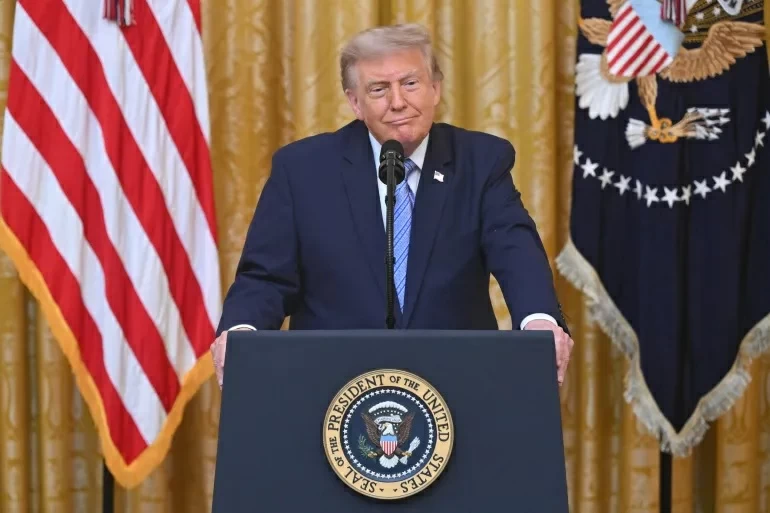
نفت الصين اهتمامها بالتدخل في الانتخابات الأمريكية، رداً على اتهامات الرئيس دونالد ترمب لبكين بتنفيذ عملية واسعة لاختراق بيانات الناخبين والتأثير في الاستحقاقات الانتخابية داخل الولايات المتحدة.
وأكدت وزارة الخارجية الصينية أن الاتهامات الأمريكية «لا أساس واقعي لها»، مؤكدة أن بكين تتمسك بمبدأ عدم التدخل في الشؤون الداخلية للدول الأخرى. وشددت الوزارة على أن الصين «ليست لديها أي مصلحة في التدخل في الانتخابات الأمريكية»، في رد مباشر على تصريحات ترمب التي اتهم فيها بكين بالضلوع في أنشطة استهدفت النظام الانتخابي الأمريكي منذ انتخابات عام 2020.
وكان ترمب أعلن في خطاب مساء الخميس، عزمه رفع السرية عن معلومات استخباراتية قال إنها تكشف نقاط ضعف خطيرة في النظام الانتخابي الأمريكي.
واعتبر الرئيس الأمريكي أن الصين نفذت ما وصفه بأكبر اختراق لبيانات انتخابية في التاريخ، ما أدى، بحسب قوله، إلى الاستحواذ بصورة غير مشروعة على ملفات نحو 220 مليون ناخب أمريكي.
واتهم بكين بممارسة أنشطة هدفت إلى الإضرار بفرصه في انتخابات 2020 وتقويض الثقة به، فضلاً عن التأثير في التغطية الإعلامية داخل الولايات المتحدة.
ولم تقدم الإدارة الأمريكية، حتى الآن، تفاصيل علنية مستقلة تثبت تلك الاتهامات. وقال ترمب إنه طلب من مدير الاستخبارات الوطنية ومكتب التحقيقات الفيدرالي فتح تحقيق بشأن ما وصفه بالتدخل الصيني، مشيراً إلى أن وثائق رسمية مرتبطة بالملف جرى إخفاؤها أو التقليل من أهميتها.
ورفضت الخارجية الصينية القيود الأمريكية الجديدة على التأشيرات، ووصفتها بأنها إجراءات تمييزية لا تخدم التبادل بين شعبي البلدين. ودعت واشنطن إلى سحب السياسة الجديدة في أقرب وقت، محذرة من أن بكين تحتفظ بحق اتخاذ إجراءات مضادة بالمثل.
السجال الجديد يضيف ملفاً آخر إلى قائمة الخلافات بين القوتين، والتي تشمل التجارة والتكنولوجيا والأمن السيبراني وتايوان، في وقت يحاول فيه الجانبان إبقاء قنوات التواصل السياسي مفتوحة رغم تصاعد الاتهامات المتبادلة.
China has denied any interest in interfering in the U.S. elections, in response to President Donald Trump's accusations against Beijing of conducting a widespread operation to hack voter data and influence electoral outcomes within the United States.
The Chinese Ministry of Foreign Affairs stated that the American accusations have "no factual basis," emphasizing that Beijing adheres to the principle of non-interference in the internal affairs of other countries. The ministry stressed that China "has no interest in interfering in the U.S. elections," in a direct response to Trump's remarks accusing Beijing of being involved in activities targeting the American electoral system since the 2020 elections.
Trump announced in a speech on Thursday evening his intention to declassify intelligence information that he claimed reveals serious vulnerabilities in the American electoral system.
The U.S. president considered that China executed what he described as the largest breach of electoral data in history, which, according to him, led to the unlawful acquisition of files belonging to about 220 million American voters.
He accused Beijing of engaging in activities aimed at undermining his chances in the 2020 elections and eroding trust in him, as well as influencing media coverage within the United States.
The U.S. administration has not yet provided independent public details to substantiate these accusations. Trump stated that he requested the Director of National Intelligence and the Federal Bureau of Investigation to open an investigation into what he described as Chinese interference, noting that official documents related to the matter have been hidden or downplayed.
The Chinese Foreign Ministry rejected the new American visa restrictions, describing them as discriminatory measures that do not serve the exchange between the peoples of the two countries. It urged Washington to withdraw the new policy as soon as possible, warning that Beijing reserves the right to take reciprocal measures.
The new dispute adds another file to the list of disagreements between the two powers, which include trade, technology, cybersecurity, and Taiwan, at a time when both sides are trying to keep political communication channels open despite the escalating mutual accusations.