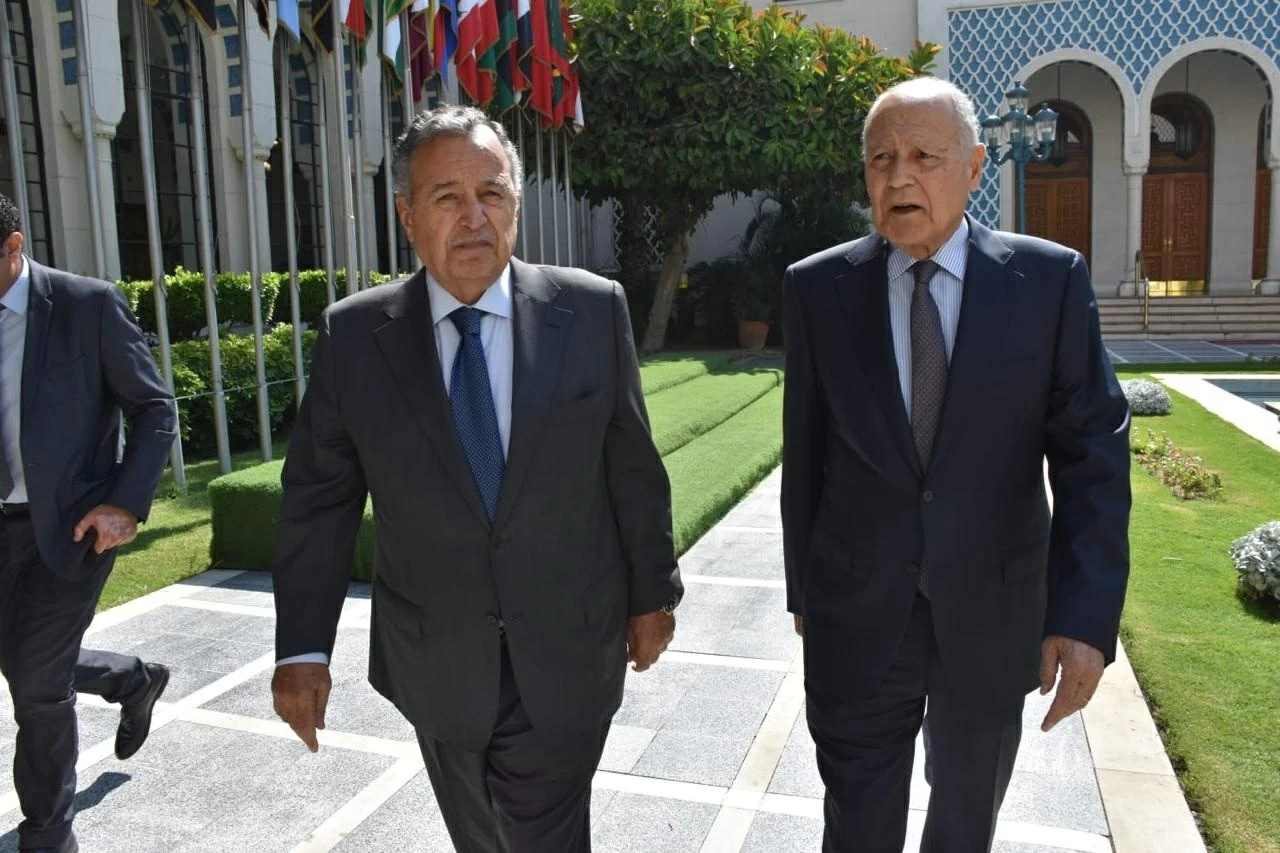
بدأ نبيل فهمي، (الأربعاء)، مهامه رسمياً أميناً عاماً لجامعة الدول العربية، عقب مراسم تسلّم وتسليم أُقيمت بمقر الأمانة العامة في القاهرة، تسلّم خلالها مسؤوليات منصبه من سلفه أحمد أبو الغيط، الذي اختتم فترة ولايته.
وجرت المراسم بحضور الأمناء العامين المساعدين وعدد من مسؤولي الأمانة العامة والعاملين بها، إيذاناً ببدء مرحلة جديدة في قيادة الجامعة العربية.
وعقب مراسم التسليم، تلقى فهمي إحاطات من مسؤولي الأمانة العامة حول أبرز المستجدات في الملفات السياسية العربية، كما عقد اجتماعاً مع الأمناء العامين المساعدين لبحث أولويات المرحلة القادمة، وآليات تطوير سير العمل في مختلف قطاعات الجامعة.
وفي أولى خطواته الرسمية، وقّع الأمين العام الجديد رسائل موجهة إلى قادة الدول العربية، أعرب فيها عن شكره وتقديره للثقة التي أولوه إياها، كما وجّه خطابات إلى وزراء الخارجية العرب تضمنت تقييماً للأوضاع الراهنة في المنطقة، إلى جانب مقترحات لتعزيز قدرة الجامعة العربية على مواجهة التحديات السياسية والاقتصادية والاجتماعية، ودفع مسار الإصلاح المؤسسي وتعزيز العمل العربي المشترك.
وتدخل جامعة الدول العربية مرحلة جديدة بتولي السفير نبيل فهمي مهام الأمين العام، بعد 10 سنوات قاد خلالها أحمد أبو الغيط الأمانة العامة، في وقت تواجه فيه المنطقة العربية تحديات سياسية وأمنية واقتصادية غير مسبوقة، تفرض تطوير آليات العمل العربي المشترك وتعزيز قدرة الجامعة على مواكبة المتغيرات الإقليمية والدولية.
وتعاقب على قيادة الأمانة العامة منذ تأسيس الجامعة عام 1945 كل من عبد الرحمن عزام، ومحمد عبد الخالق حسونة، ومحمود رياض، والشاذلي القليبي، وأحمد عصمت عبد المجيد، وعمرو موسى، ونبيل العربي، وأحمد أبو الغيط، قبل أن يتولى السفير نبيل فهمي المسؤولية في مرحلة تتسم بتعقيدات إقليمية ودولية متزايدة.
وتعمل الجامعة العربية التي تأسست عام 1945 وتضم في عضويتها 22 دولة عربية على تنسيق المواقف العربية وتعزيز التعاون السياسي والاقتصادي والاجتماعي بين الدول الأعضاء، إلى جانب التعامل مع القضايا الإقليمية والدولية ذات الاهتمام المشترك.
ويأتي تولي نبيل فهمي منصبه في وقت تواجه فيه المنطقة العربية تحديات متشابكة، تشمل الأزمات في عدد من الدول، وتطورات القضية الفلسطينية، إلى جانب ملفات الأمن الإقليمي، والتكامل الاقتصادي، والإصلاح المؤسسي للعمل العربي المشترك، وهي ملفات يُنتظر أن تتصدر أجندة الأمين العام الجديد خلال المرحلة القادمة.
Nabil Fahmy officially began his duties as Secretary-General of the Arab League on Wednesday, following a handover ceremony held at the headquarters of the General Secretariat in Cairo, during which he received the responsibilities of his position from his predecessor Ahmed Aboul Gheit, who concluded his term.
The ceremony was attended by the Assistant Secretaries-General and several officials and staff of the General Secretariat, marking the start of a new phase in the leadership of the Arab League.
Following the handover ceremony, Fahmy received briefings from General Secretariat officials regarding the most important developments in Arab political files. He also held a meeting with the Assistant Secretaries-General to discuss the priorities for the upcoming phase and mechanisms to improve the workflow in various sectors of the League.
In his first official steps, the new Secretary-General signed letters addressed to the leaders of Arab countries, expressing his gratitude and appreciation for the trust they have placed in him. He also sent letters to Arab foreign ministers that included an assessment of the current situations in the region, along with proposals to enhance the Arab League's ability to face political, economic, and social challenges, advance the path of institutional reform, and strengthen joint Arab action.
The Arab League enters a new phase with Ambassador Nabil Fahmy taking on the role of Secretary-General, after Ahmed Aboul Gheit led the General Secretariat for 10 years, at a time when the Arab region faces unprecedented political, security, and economic challenges that necessitate the development of mechanisms for joint Arab action and enhancing the League's capacity to keep pace with regional and international changes.
Since the establishment of the League in 1945, the leadership of the General Secretariat has been held by Abdul Rahman Azzam, Mohamed Abdel Khalek Hassouna, Mahmoud Riad, Chadhli Klibi, Ahmed Ismat Abdel Meguid, Amr Moussa, Nabil Elaraby, and Ahmed Aboul Gheit, before Ambassador Nabil Fahmy assumed responsibility during a period characterized by increasing regional and international complexities.
The Arab League, established in 1945 and comprising 22 Arab member states, works to coordinate Arab positions and enhance political, economic, and social cooperation among member states, in addition to addressing regional and international issues of common interest.
Nabil Fahmy's assumption of office comes at a time when the Arab region faces intertwined challenges, including crises in several countries, developments in the Palestinian issue, as well as regional security, economic integration, and institutional reform of joint Arab action, issues that are expected to top the agenda of the new Secretary-General in the upcoming phase.