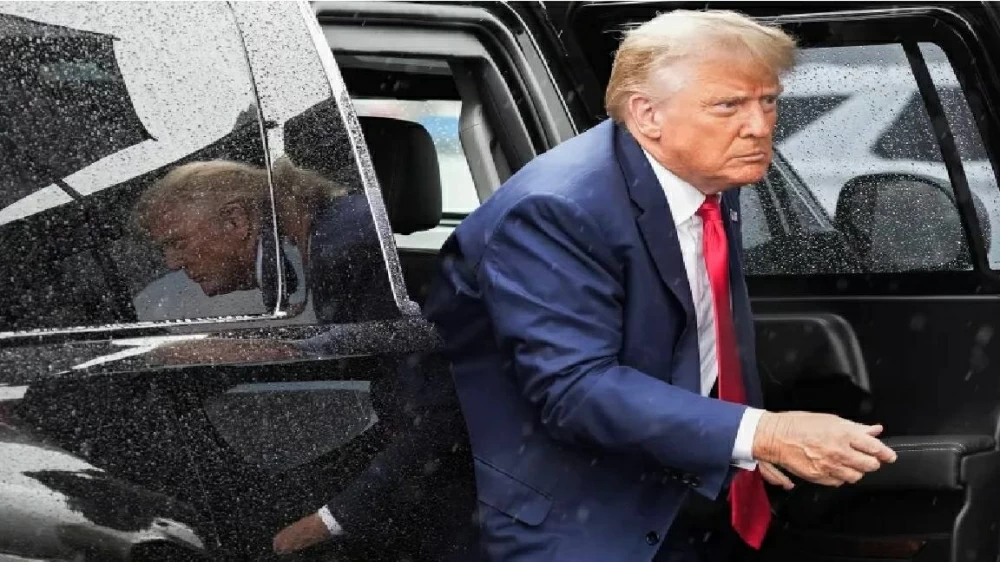
فتح إلغاء الرئيس الأمريكي دونالد ترمب إجازته في نيوجرسي وعودته على عجل إلى البيت الأبيض باب التكهنات، واثار التساؤلات حول مسار المفاوضات مع إيران.
وزاد من تلك الشكوك، إعلان الرئيس نفسه عبر منشور على منصته «تروث سوشيال»مساء أمس الجمعة أنه لن يحضر زفاف نجله الأكبر دونالد جونيور، بسبب «ظروف متعلقة بالحكومة»، وفق تعبيره.
وكتب ترمب قائلاً: «كنت أرغب بشدة في أن أكون مع ابني دون جونيور، وزوجته المستقبلية بيتينا، لكن الظروف المتعلقة بالحكومة، وحبي للولايات المتحدة الأمريكية، لا تسمح لي بذلك». وأضاف:»أشعر أنه من المهم أن أبقى في واشنطن.. في البيت الأبيض، خلال هذه الفترة المهمة«.
وكانت مصادر مطلعة أفصحت أن الجيش الأمريكي يستعد لشن ضربات جديدة محتملة على إيران خلال عطلة نهاية الأسبوع الحالي، بحسب ما أوردت شبكة «سي بي أس»، التي لفتت إلى اجتماع الرئيس ترمب مع أقرب مستشاريه لبحث الحرب في إيران، دون أن يتم اتخاذ أي قرار بعد.
في المقابل، أكدت الحكومة الإيرانية مجدداً أنه «لن تستسلم أبداً للترهيب». فيما هدد الحرس الثوري، أمس الجمعة، بتوسيع نطاق الحرب إلى ما هو أبعد من المنطقة» في حال وقوع هجوم أمريكي جديد.
في غضون ذلك، واصل قائد الجيش الباكستاني عاصم منير، الذي وصل أمس إلى طهران، مساعيه من أجل كسر الجمود الحاصل في المفاوضات الأمريكية الإيرانية، جراء تمسك الجانبين ببعض الشروط.
وأعلنت وزارة الخارجية الإيرانية اليوم السبت أن منير ووزير الخارجية عباس عراقجي أجريا محادثات حتى وقت متأخر ليلة أمس، حيث بحثا الجهود والمبادرات الدبلوماسية لمنع التصعيد وإنهاء الحرب، وتعزيز السلام في المنطقة.
وكان وزير الداخلية الباكستاني محسن نقوي وصل أيضاً مطلع هذا الأسبوع إلى العاصمة الإيرانية، وذلك للمرة الثانية خلال أيام. وبعيد وصوله، أعلنت الخارجية الإيرانية أنها تدرس رداً أمريكياً في إطار مباحثات إنهاء الحرب. فيما أكد مسؤولون أمريكيون أن ترمب لم يغلق الباب نهائياً أمام توجيه ضربات لإيران إذا فشلت المحادثات.
واستضافت إسلام أباد، في أبريل الماضي، الجولة الأولى من المفاوضات المباشرة بين واشنطن وطهران، لكنها لم تثمر اتفاقاً. ومنذ ذلك الحين، تبادل الجانبان مقترحات عدة، فيما ظلت بعض النقاط عالقة على رأسها نقل اليورانيوم الإيراني عالي التخصيب إلى الخارج، والسيطرة على مضيق هرمز، فضلاً عن رفع كامل العقوبات الأمريكية عن النفط الإيراني، مع تواصل التحذيرات الكلامية المتبادلة والتهديدات.
The cancellation of U.S. President Donald Trump's vacation in New Jersey and his hasty return to the White House opened the door to speculation and raised questions about the course of negotiations with Iran.
Adding to those doubts, the president himself announced via a post on his platform "Truth Social" last night that he would not attend the wedding of his eldest son, Donald Jr., due to "government-related circumstances," as he put it.
Trump wrote: "I very much wanted to be with my son Don Jr. and his fiancée, Bettina, but government-related circumstances, and my love for the United States of America, do not allow me to do so." He added: "I feel it is important for me to remain in Washington... at the White House, during this important time."
Informed sources revealed that the U.S. military is preparing to launch potential new strikes on Iran during this weekend, according to CBS News, which noted President Trump's meeting with his closest advisors to discuss the war in Iran, without any decision being made yet.
In contrast, the Iranian government reiterated that it "will never succumb to intimidation." Meanwhile, the Revolutionary Guard threatened yesterday to expand the war beyond the region in the event of a new U.S. attack.
In the meantime, the Pakistani Army Chief Asim Munir, who arrived in Tehran yesterday, continued his efforts to break the deadlock in U.S.-Iranian negotiations, due to both sides' insistence on certain conditions.
The Iranian Foreign Ministry announced today, Saturday, that Munir and Foreign Minister Abbas Araghchi held talks late into the night yesterday, discussing diplomatic efforts and initiatives to prevent escalation, end the war, and promote peace in the region.
Pakistani Interior Minister Mohsin Naqvi also arrived in the Iranian capital earlier this week, marking his second visit in a few days. Shortly after his arrival, the Iranian Foreign Ministry announced that it was considering a U.S. response as part of discussions to end the war. Meanwhile, U.S. officials confirmed that Trump has not completely closed the door on launching strikes against Iran if the talks fail.
Islamabad hosted the first round of direct negotiations between Washington and Tehran last April, but it did not result in an agreement. Since then, both sides have exchanged several proposals, while some points remain stuck, primarily the transfer of high-enriched Iranian uranium abroad, control over the Strait of Hormuz, as well as the complete lifting of U.S. sanctions on Iranian oil, alongside ongoing verbal warnings and threats.