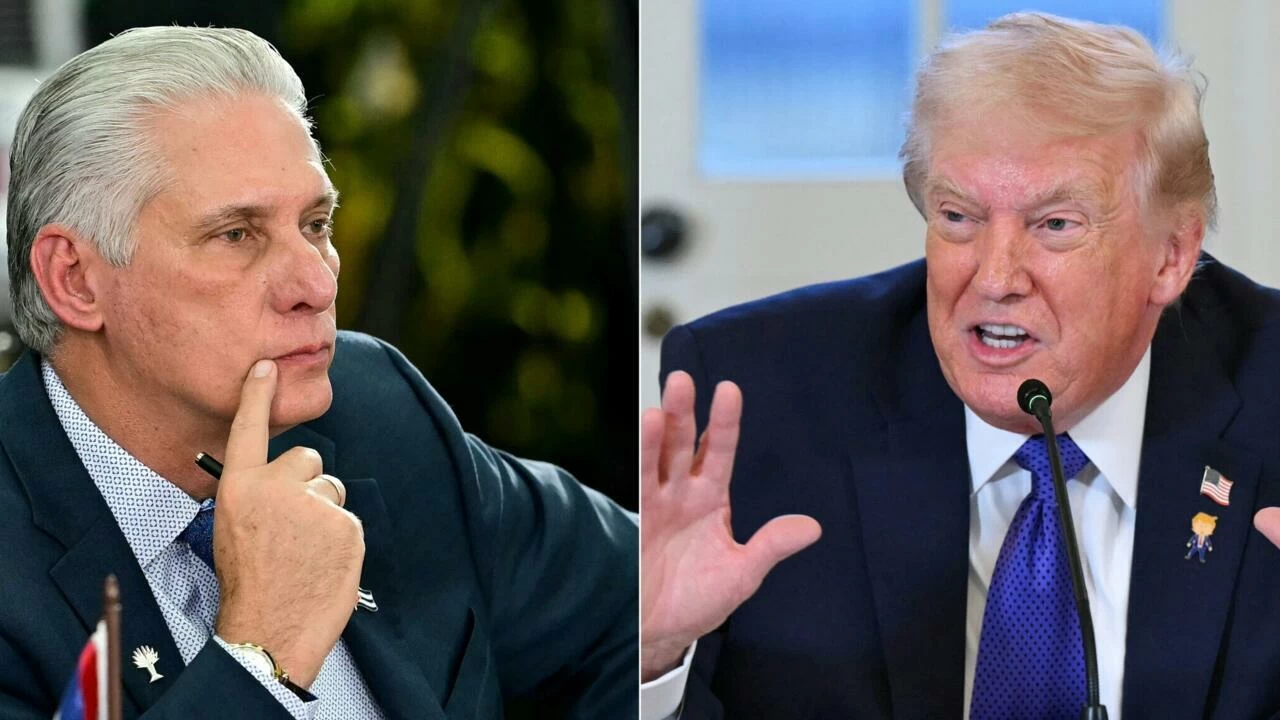
في خطوة استثنائية تعكس تحركاً دبلوماسياً جديداً، اجتمع مسؤولون من الولايات المتحدة وكوبا في العاصمة هافانا، رغم تهديدات الرئيس الأمريكي دونالد ترمب بالتدخل العسكري.
وذكرت وكالة «أسوشيتد برس»، اليوم السبت، أنه خلال هذه الجولة الدبلوماسية، التي وُصفت بأنها «استثنائية»، طالب الوفد الأمريكي كوبا بإجراء تغييرات كبيرة في اقتصادها ونظام الحكم، وشدد على أن واشنطن لن تسمح بأن تتحول الجزيرة إلى تهديد للأمن القومي في المنطقة.
وكشف مسؤول في الخارجية الأمريكية، أن مسؤولاً رفيعاً من الوزارة التقى خلال الزيارة، مع حفيد الزعيم الكوبي السابق راؤول كاسترو. إلا أنه رفض الإفصاح عن اسم المسؤول الأمريكي الذي التقى راؤول جييرمو رودريجيز كاسترو، الذي يُعتقد أن جده لا يزال يتمتع بنفوذ داخل الحكومة، رغم عدم شغله منصباً رسمياً.
وأفاد مسؤول أمريكي آخر بأن وزير الخارجية ماركو روبيو لم يكن ضمن الوفد الذي زار هافانا، رغم أنه سبق أن التقى حفيد كاسترو في فبراير الماضي، في دولة سانت كيتس ونيفيس بالكاريبي.
وشكّلت الزيارة أول رحلة حكومية أمريكية إلى كوبا، خارج قاعدة جوانتانامو، منذ عام 2016.
وتفاقمت أزمات كوبا في ظل الحصار الأمريكي، خصوصاً في قطاع الطاقة، وتصف إدارة ترمب الحكومة الكوبية بأنها «غير فعالة وتمارس الانتهاكات». وفي المقابل، تشمل المطالب الأمريكية لتخفيف العقوبات إنهاء ما تصفه بـالقمع السياسي، والإفراج عن سجناء سياسيين، وإصلاح الاقتصاد المتعثر. وناقش الطرفان مقترحاً أمريكياً لتوفير إنترنت مجاني ومستقر عبر شبكة «ستارلينك» الفضائية.
وجرى كشف هذه المحادثات بعد أن لوح ترمب بأن إدارته قد تركز على كوبا بعد انتهاء الحرب مع إيران، قائلاً: «قد نتجه إلى كوبا بعد الانتهاء من هذا»، واصفاً إياها بـ«الدولة الفاشلة».
وردّ الرئيس الكوبي ميجيل دياز كانيل بأن الولايات المتحدة لا تملك مبرراً لشن هجوم عسكري أو الإطاحة به، لكنه أكد استعداد بلاده للدفاع عن نفسها إذا لزم الأمر. وقال إن المرحلة شديدة الصعوبة وتتطلب منا أن نكون مستعدين لمواجهة تهديدات خطيرة، بما في ذلك عدوان عسكري، لا نرغب في ذلك، لكن من واجبنا الاستعداد لمنعه.
ويبقى السؤال : هل تكسر هذه الخطوة اللافتة الجليد بين واشنطن وهافانا ، أم أنها ستقود إلى تصعيد جديد في حال رفضت كوبا المطالب الأمريكية؟
In an extraordinary move reflecting a new diplomatic initiative, officials from the United States and Cuba met in the capital Havana, despite threats from President Donald Trump of military intervention.
The Associated Press reported today, Saturday, that during this diplomatic round, described as "extraordinary," the American delegation urged Cuba to make significant changes to its economy and governance system, emphasizing that Washington would not allow the island to become a threat to national security in the region.
A U.S. State Department official revealed that a senior official from the department met during the visit with the grandson of former Cuban leader Raúl Castro. However, he declined to disclose the name of the American official who met with Raúl Guillermo Rodríguez Castro, who is believed to still have influence within the government, despite not holding an official position.
Another American official reported that Secretary of State Marco Rubio was not part of the delegation that visited Havana, even though he had previously met Castro's grandson in February in Saint Kitts and Nevis in the Caribbean.
The visit marked the first official U.S. government trip to Cuba, outside the Guantanamo base, since 2016.
Cuba's crises have worsened under the American blockade, particularly in the energy sector, with the Trump administration describing the Cuban government as "ineffective and engaging in violations." In return, the U.S. demands to ease sanctions include ending what it describes as political repression, releasing political prisoners, and reforming the struggling economy. The two sides discussed an American proposal to provide free and stable internet through the Starlink satellite network.
These discussions were revealed after Trump hinted that his administration might focus on Cuba after the war with Iran, stating: "We might head to Cuba after finishing this," describing it as a "failed state."
Cuban President Miguel Díaz-Canel responded that the United States has no justification for launching a military attack or overthrowing him, but he affirmed his country's readiness to defend itself if necessary. He stated that the situation is extremely difficult and requires us to be prepared to face serious threats, including military aggression, which we do not desire, but it is our duty to be ready to prevent it.
The question remains: Will this notable step break the ice between Washington and Havana, or will it lead to a new escalation if Cuba rejects the American demands?