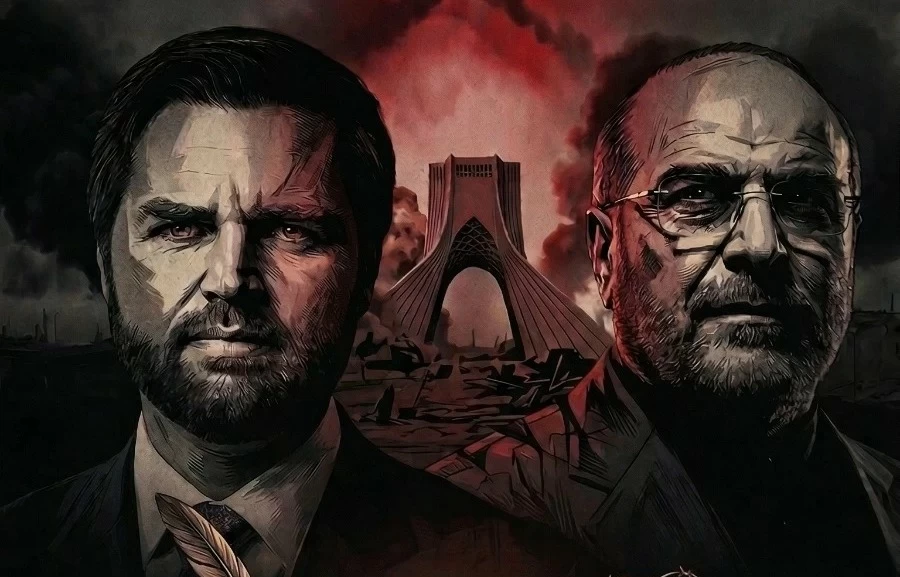
تشهد المفاوضات بين الولايات المتحدة وإيران المنعقدة في إسلام أباد تعقيدات كبيرة رغم الهدنة المؤقتة التي أوقفت فتح أبواب الجحيم، ويضم جدول الأعمال ملفات شائكة وقضايا ملغومة.
اختلاف الرؤى بين الطرفين
ولا تقتصر هذه المحادثات على تثبيت وقف إطلاق النار، بل تمتد إلى قضايا استراتيجية عميقة تجعل فرص التوصل إلى اتفاق نهائي، تبدو أمراً بالغ الصعوبة.
وربما تكمن العقدة الأساسية في اختلاف رؤية الطرفين لنطاق التفاوض، إذ تصر طهران على حصره في الملف النووي ورفع العقوبات، بينما تسعى واشنطن إلى اتفاق شامل يشمل البرنامج النووي والصاروخي، إضافة إلى النفوذ الإقليمي لإيران.
ولا شك أن هذا التباين الجوهري يجعل المحادثات أقرب إلى مسار معقد مليء بالعقبات، خصوصاً في ظل ضغوط سياسية وتسابق مع الزمن.
ورقة مضيق هرمز
وتتمثّل أبرز الملفات الخلافية في مضيق هرمز؛ نظراً لأهميته الحيوية في الاقتصاد العالمي، الذي استحوذ على جانب كبير من الاهتمام خلال الحرب الأخيرة، إذ يمر عبره نحو 20% من إمدادات النفط.
الولايات المتحدة تعتبر ضمان حرية الملاحة فيه شرطاً أساسياً لأي اتفاق، وترى أن أي تهديد له يشكل خطراً مباشراً على أمن الطاقة العالمي.
في المقابل، تتمسك إيران بسيادتها على المضيق وتعتبره ورقة ضغط استراتيجية في مواجهة العقوبات، وترفض تقديم تعهدات تحدُّ من قدرتها على استخدامه ورقة تفاوضيةً.
لذا تطالب واشنطن بضمانات واضحة تمنع طهران من إغلاق المضيق أو تهديد الملاحة، مع تلويحها باستئناف الحرب.
البرنامج النووي الإيراني
أما الملف النووي فيظل جوهر الصراع، وتطالب واشنطن بتفكيك أو تقليص كبير للقدرات النووية الإيرانية، ووقف تخصيب اليورانيوم، مع إخضاع المنشآت لرقابة دولية صارمة ودائمة.
وتُشدّد الإدارة الأمريكية على أن أي اتفاق نووي يجب أن يكون دائماً، وألا يتضمن بنوداً تنتهي بمرور الوقت كما حدث في اتفاق 2015.
وكشف مسؤولون أمريكيون إمكانية قبول سقف تخصيب يعادل مستوى اتفاق 2015 (حوالى 3.67%) كحد عملي، بينما صرّح آخرون بمطالب أشدّ تقضي بتقليص أو إلغاء قدرات التخصيب.
في حين تؤكد طهران أن برنامجها ذو طابع سلمي، وتتمسك بحقها في التخصيب، وترفض أي اتفاق يفرض قيوداً دائمة أو يمس سيادتها التقنية. كما يبرز الخلاف حول مصير مخزون اليورانيوم عالي التخصيب وآليات التعامل معه، سواء بنقله إلى الخارج أو خفض نسبته.
وبحسب تقرير لشبكة «Euro News»، لا تزال بنود أخرى من الاتفاق غامضة، ففي النسخة الفارسية من خطة وقف إطلاق النار المكونة من 10 نقاط، أدرجت إيران عبارة «قبول التخصيب» لبرنامجها النووي، إلا أن هذه العبارة غابت عن النسخ الإنجليزية التي وزعها الدبلوماسيون الإيرانيون على الصحفيين.
البرنامج الصاروخي الإيراني
يمثل نقطة خلاف حادة، إذ تعتبره الولايات المتحدة تهديداً مباشراً لحلفائها في المنطقة، وتسعى إلى إدراج قيود عليه ضمن أي اتفاق شامل، خصوصاً مع تزايد مدى هذه الصواريخ. ويشمل المقترح الأمريكي الحدَّ من البرنامج الصاروخي الإيراني صراحةً، بوصفه بنداً من بنود أي اتفاق شامل.
وتطالب أمريكا بحدود أو قيود على القدرات التي قد تُستخدم لحمل رؤوس نووية أو لزيادة قدرة الضربات الاستراتيجية.
واتخذت الإدارة الأمريكية إجراءات عقابية لاستهداف شبكات التوريد الداعمة للبرنامج الإيراني.
في المقابل، ترفض إيران بشكل قاطع إدراج هذا الملف في المفاوضات، وتؤكد أنه جزء من منظومتها الدفاعية وسيادتها الوطنية. وترى أنه عنصر دفاعي أساسي يعوّض ضعف سلاحها الجوي وتعتبر أي محاولة لربطه بالملف النووي تدخلاً في سيادتها.
ووصفت إيران الادعاءات بشأن تطوير صواريخ قادرة على ضرب الولايات المتحدة بأنها «أكاذيب كبيرة». ووفقاً للبيانات الرسمية الإيرانية، يبلغ أقصى مدى للصواريخ الإيرانية 2,000 كيلومتر، غير أن دائرة أبحاث الكونغرس الأمريكي تقدّر أن مداها قد يصل إلى نحو 3,000 كيلومتر.
وكلاء إيران في المنطقة
تعدّ إيران شبكة وكلائها في اليمن ولبنان والعراق وغزة ركيزة أمنها القومي وخطوط دفاعها الأمامية، في حين تعدّها الولايات المتحدة وإسرائيل المصدر الرئيسي لزعزعة الاستقرار في الشرق الأوسط، ما يجعل إدراج ملف الوكلاء بنداً معقّداً سياسياً واستراتيجياً.
وترفض طهران إدراج هذا الملف في المفاوضات، وترى أن نفوذها الإقليمي ورقة قوة لا يمكن التخلي عنها.
في المقابل، تربط الولايات المتحدة أي اتفاق طويل الأمد بوقف دعم طهران لهذه الجماعات أو على الأقل تقليصه، إذ ترى أن نفوذ إيران الإقليمي هو جوهر المشكلة، وتعتبر أن هذه الشبكات مسؤولة عن زعزعة الاستقرار الإقليمي.
العقوبات والأصول الإيرانية
تشكل محوراً رئيسياً آخر في المفاوضات، وتستخدمها الولايات المتحدة ورقةَ ضغطٍ لدفع إيران إلى تقديم تنازلات. وتربط واشنطن الإفراج بتقدّم ملموس في الملفات النووية والاقليمية، وتستخدم الأموال ورقةً تفاوضيةً، وسبق أن سمحت بالإفراج عن 6 مليارات دولار في صفقة تبادل سجناء عام 2023.
في المقابل، تطالب طهران برفع فوري وشامل للعقوبات، والإفراج عن أصولها المجمدة في الخارج، معتبرة أن هذه العقوبات هي السبب الرئيسي لأزمتها الاقتصادية الداخلية.
وكان مسؤول إيراني رفيع، أعلن أن واشنطن وافقت على الإفراج عن أصول إيرانية مجمّدة في قطر وبنوك أجنبية أخرى، في خطوة تُعد بادرة حسن نية.
ويؤكد مسؤولون إيرانيون أنهم لا يريدون تكرار سيناريو غزة أو لبنان، إذ توجد «هدنة على الورق» بينما تستطيع أمريكا وإسرائيل استئناف الحرب في أي وقت.
ووسط كل هذه التعقيدات، تبدو مفاوضات إسلام أباد اختباراً حقيقياً لإمكانية التوصل إلى تسوية شاملة. فإما أن تنجح الأطراف في تجاوز خلافاتها وصياغة اتفاق يعالج جذور الأزمة، أو تعود الأمور إلى دائرة التصعيد، خصوصاً في ظل انعدام الثقة وتضارب المصالح الاستراتيجية بين الجانبين.
The negotiations between the United States and Iran taking place in Islamabad are witnessing significant complexities despite the temporary truce that has halted the opening of the gates of hell, with the agenda including thorny files and explosive issues.
Differences in Perspectives Between the Two Parties
These talks are not limited to establishing a ceasefire; they extend to deep strategic issues that make the chances of reaching a final agreement seem extremely difficult.
The fundamental knot may lie in the differing visions of the two parties regarding the scope of negotiations, as Tehran insists on limiting it to the nuclear file and lifting sanctions, while Washington seeks a comprehensive agreement that includes the nuclear and missile programs, in addition to Iran's regional influence.
There is no doubt that this fundamental divergence makes the talks closer to a complex path filled with obstacles, especially in light of political pressures and a race against time.
The Strait of Hormuz Issue
The most contentious files revolve around the Strait of Hormuz, due to its vital importance in the global economy, which garnered significant attention during the recent war, as about 20% of oil supplies pass through it.
The United States considers ensuring freedom of navigation in it a fundamental condition for any agreement, viewing any threat to it as a direct danger to global energy security.
In contrast, Iran insists on its sovereignty over the strait and considers it a strategic leverage against sanctions, refusing to make commitments that would limit its ability to use it as a negotiating tool.
Thus, Washington demands clear guarantees preventing Tehran from closing the strait or threatening navigation, while hinting at the resumption of war.
The Iranian Nuclear Program
The nuclear file remains at the core of the conflict, with Washington demanding the dismantling or significant reduction of Iran's nuclear capabilities, halting uranium enrichment, and subjecting facilities to strict and permanent international oversight.
The U.S. administration emphasizes that any nuclear agreement must be permanent and should not include clauses that expire over time, as was the case in the 2015 agreement.
U.S. officials have indicated the possibility of accepting an enrichment ceiling equivalent to the level of the 2015 agreement (around 3.67%) as a practical limit, while others have stated more stringent demands for reducing or eliminating enrichment capabilities.
Meanwhile, Tehran asserts that its program is peaceful in nature, insists on its right to enrichment, and rejects any agreement that imposes permanent restrictions or infringes on its technical sovereignty. The disagreement also highlights the fate of the stockpile of highly enriched uranium and the mechanisms for dealing with it, whether by transferring it abroad or reducing its percentage.
According to a report by Euro News, other provisions of the agreement remain ambiguous; in the Persian version of the 10-point ceasefire plan, Iran included the phrase "acceptance of enrichment" for its nuclear program, but this phrase was absent from the English versions distributed by Iranian diplomats to journalists.
The Iranian Missile Program
This represents a sharp point of contention, as the United States views it as a direct threat to its allies in the region and seeks to include restrictions on it within any comprehensive agreement, especially with the increasing range of these missiles. The U.S. proposal explicitly includes limiting the Iranian missile program as a clause of any comprehensive agreement.
The U.S. demands limits or restrictions on capabilities that could be used to carry nuclear warheads or to increase strategic strike capabilities.
The U.S. administration has taken punitive measures targeting supply networks supporting the Iranian program.
In contrast, Iran firmly rejects including this file in the negotiations, asserting that it is part of its defense system and national sovereignty. It views it as a fundamental defensive element that compensates for the weakness of its air force and considers any attempt to link it to the nuclear file as an infringement on its sovereignty.
Iran has described claims regarding the development of missiles capable of striking the United States as "big lies." According to official Iranian data, the maximum range of Iranian missiles is 2,000 kilometers, but the U.S. Congressional Research Service estimates that their range could reach about 3,000 kilometers.
Iran's Proxies in the Region
Iran considers its network of proxies in Yemen, Lebanon, Iraq, and Gaza as a cornerstone of its national security and front-line defenses, while the United States and Israel view them as the main source of instability in the Middle East, making the inclusion of the proxy issue a politically and strategically complex matter.
Tehran refuses to include this file in the negotiations, seeing its regional influence as a leverage that cannot be relinquished.
In contrast, the United States links any long-term agreement to halting Tehran's support for these groups or at least reducing it, viewing Iran's regional influence as the core of the problem and considering these networks responsible for regional instability.
Sanctions and Iranian Assets
These form another key focus of the negotiations, with the United States using them as leverage to push Iran to make concessions. Washington ties the release of assets to tangible progress on nuclear and regional files, using funds as a negotiating tool, having previously allowed the release of $6 billion in a prisoner exchange deal in 2023.
In contrast, Tehran demands an immediate and comprehensive lifting of sanctions and the release of its frozen assets abroad, considering these sanctions the main reason for its internal economic crisis.
A senior Iranian official announced that Washington agreed to release frozen Iranian assets in Qatar and other foreign banks, in a move seen as a gesture of goodwill.
Iranian officials emphasize that they do not want to repeat the scenario of Gaza or Lebanon, where there is a "ceasefire on paper" while the U.S. and Israel can resume war at any time.
Amid all these complexities, the Islamabad negotiations appear to be a real test of the possibility of reaching a comprehensive settlement. Either the parties will succeed in overcoming their differences and crafting an agreement that addresses the roots of the crisis, or matters will return to a cycle of escalation, especially in light of the lack of trust and conflicting strategic interests between the two sides.