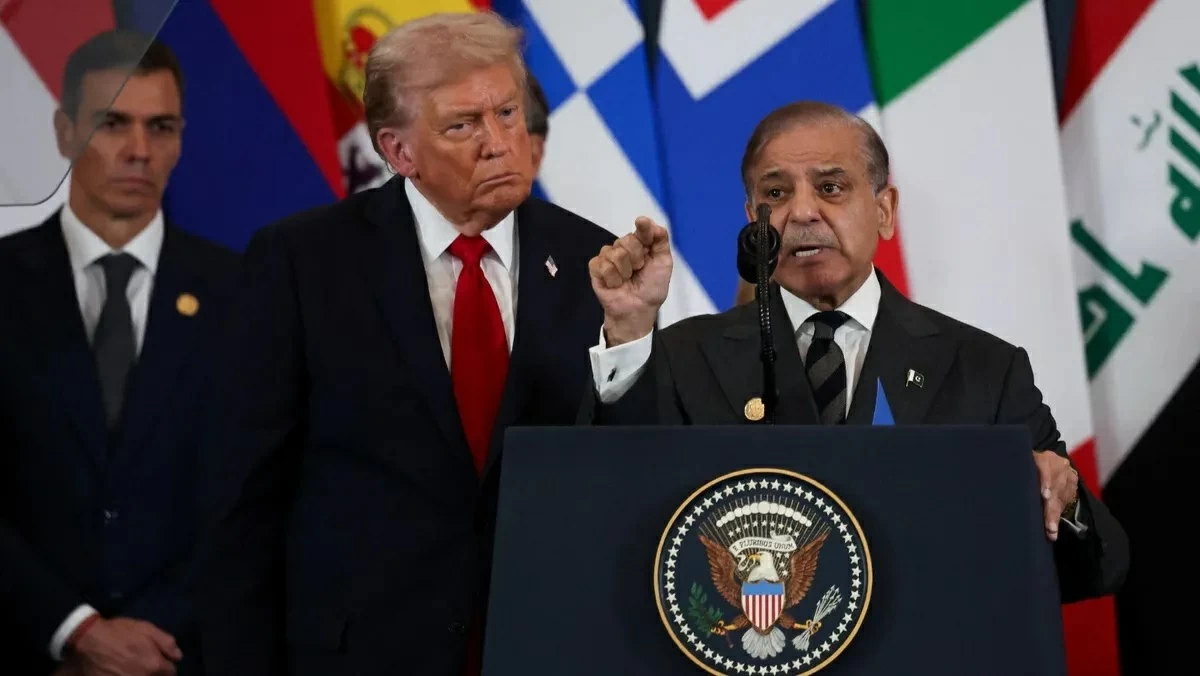
قبل نحو ساعة ونصف الساعة من انقضاء المهلة التي كانت تنذر بمحو حضارة بأكملها، تراجع الرئيس الأمريكي دونالد ترمب عن حافة الهاوية، معلنا تعليق الهجوم الشامل على إيران لمدة أسبوعين.
ثمرة وساطة باكستانية
وجاء الإعلان المفاجئ، ثمرة وساطة باكستانية استمرت حتى الرمق الأخير، ونجحت في نزع فتيل الانفجار الإقليمي ولو بشكل مؤقت، هذا التطور يفتح الباب أمام تساؤل مفاده: هل نحن أمام مقدمة لسلام دائم بين إيران وأمريكا، أم أنها مجرد هدنة تكتيكية واستراحة محارب ؟
وكشف الرئيس ترمب، عبر منصته تروث سوشيال، في الساعة 6:32 مساء بتوقيت الساحل الشرقي للولايات المتحدة (أي قبل ساعة و28 دقيقة من انتهاء مهلته القصوى)، عن قراره قائلا: «بناء على محادثات مع رئيس الوزراء الباكستاني شهباز شريف ورئيس أركان الجيش الباكستاني المارشال عاصم منير، وبشرط موافقة الجمهورية الإسلامية على الفتح الكامل والفوري والآمن لمضيق هرمز، أوافق على تعليق القصف والهجوم لمدة أسبوعين».
وضع اللمسات الأخيرة على الاتفاق
ووصف ترمب الخطوة بأنها «وقف إطلاق نار من الجانبين»، معتبرا أن واشنطن حققت جميع أهدافها العسكرية وتجاوزتها. وأشار إلى أن إدارته تلقت «مقترحا من 10 نقاط من إيران نعتبره أساسا عمليا للتفاوض»، مؤكدا أنه «تم الاتفاق تقريبا على كل النقاط الخلافية السابقة»، وأن فترة الأسبوعين ستخصص لوضع اللمسات الأخيرة على الاتفاق.
من جانبها، التقطت إيران الإشارة وأعلن وزير الخارجية عباس عراقجي التوصل إلى اتفاق مبدئي، مؤكدا أنه «إذا توقفت الهجمات، فإن قواتنا المسلحة ستوقف عملياتها الدفاعية». ولفت إلى أن عبور مضيق هرمز سيكون متاحا لمدة أسبوعين «بالتنسيق مع القوات المسلحة الإيرانية، مع مراعاة القيود الفنية».
فرصة لجمع وتحديث المعلومات
وبحكم أن تعليق الهجوم مرتبط حصرا بفتح مضيق هرمز لمدة أسبوعين، تبدو الفترة بالنسبة للجيوش فرصة تكتيكية أكثر منها نهاية حقيقية للحرب.
ويرى مراقبون أن فترة الأسبوعين توفر فرصة ذهبية لجمع وتحديث المعلومات الاستخباراتية، وإعادة التموضع، وإنتاج وتوريد ذخائر جديدة أو المصادقة عليها، استعدادا لأي سيناريو محتمل، وسط مخاوف من عودة الأمور إلى المربع الأول، وإغلاق مضيق هرمز بشكل ربما أطول هذه المرة.
نافذة زمنية لتجنب الانفجار
ويعتقد محللون سياسيون أن الهدنة مجرد نافذة زمنية ضيقة لتجنب الانفجار الشامل، وليست عصا سحرية لحل صراعات ممتدة لعقود، ولكن كلفة الحرب وتداعياتها أيضا خلال الأسابيع الماضية قد تدفع الأطراف نحو منطق تجاوز ما أمكن من الخلافات، وتقدم ما استطاعوا من التنازلات تجنبا لما هو أسوأ.
وفيما تستعد الأطراف للجلوس إلى طاولة المفاوضات في العاصمة الباكستانية إسلام آباد، يوم الجمعة القادم، تعيش المنطقة حالة من الهدوء الحذر. ويبقى السؤال: هل تتحول هدنة الأسبوعين إلى انطلاقه نحو اتفاق نهائي يوقف الحرب، أم ستكون مجرد توقف تكتيكي تعقبه عودة إلى المربع الأول؟
About an hour and a half before the deadline that threatened to erase an entire civilization, U.S. President Donald Trump stepped back from the brink, announcing a two-week suspension of the comprehensive attack on Iran.
The Fruit of Pakistani Mediation
The surprising announcement was the result of Pakistani mediation that lasted until the last moment, successfully defusing the regional explosion, albeit temporarily. This development raises the question: Are we witnessing the beginning of a lasting peace between Iran and America, or is it merely a tactical truce and a break for the warrior?
President Trump revealed his decision via his Truth Social platform at 6:32 PM Eastern Time (one hour and 28 minutes before the expiration of his deadline), stating: “Based on discussions with Pakistani Prime Minister Shehbaz Sharif and Chief of Army Staff General Asim Munir, and on the condition that the Islamic Republic agrees to the full, immediate, and safe opening of the Strait of Hormuz, I agree to suspend bombing and attacks for two weeks.”
Finalizing the Agreement
Trump described the step as a “ceasefire from both sides,” considering that Washington had achieved all its military objectives and surpassed them. He noted that his administration received “a 10-point proposal from Iran that we consider a practical basis for negotiation,” affirming that “almost all previous contentious points have been agreed upon,” and that the two-week period would be dedicated to finalizing the agreement.
For its part, Iran picked up the signal, and Foreign Minister Abbas Araghchi announced that a preliminary agreement had been reached, confirming that “if the attacks stop, our armed forces will cease their defensive operations.” He pointed out that crossing the Strait of Hormuz would be available for two weeks “in coordination with the Iranian armed forces, taking into account technical restrictions.”
An Opportunity to Gather and Update Information
Given that the suspension of the attack is strictly linked to the opening of the Strait of Hormuz for two weeks, this period appears to be a tactical opportunity for the armies rather than a true end to the war.
Observers believe that the two-week period provides a golden opportunity to gather and update intelligence information, reposition, and produce and supply new munitions or validate them, in preparation for any potential scenario, amid fears of a return to square one and possibly a longer closure of the Strait of Hormuz this time.
A Time Window to Avoid Explosion
Political analysts believe that the truce is merely a narrow time window to avoid a comprehensive explosion, and not a magic wand to resolve conflicts that have lasted for decades. However, the cost of war and its repercussions over the past weeks may push the parties toward the logic of overcoming as many disagreements as possible and offering what concessions they can to avoid the worst.
As the parties prepare to sit at the negotiating table in the Pakistani capital Islamabad next Friday, the region is experiencing a state of cautious calm. The question remains: Will the two-week truce turn into a launch toward a final agreement that halts the war, or will it merely be a tactical pause followed by a return to square one?