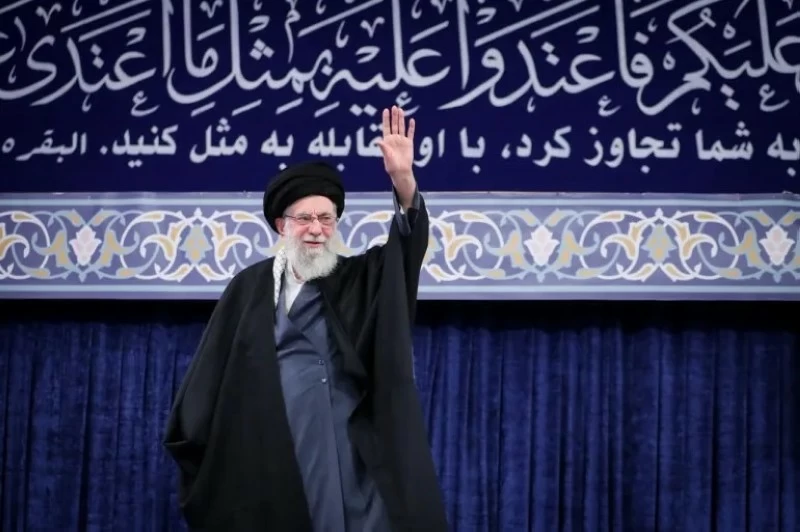
اعتبرت مجلة «لو نوفيل أوبسرفاتور» الفرنسية، أن مقتل المرشد الإيراني علي خامنئي، قد يشكل نقطة تحول تاريخية، فإما أن يكون بداية انهيار تدريجي للنظام عبر «انفجار داخلي»، وإما أن يسبب انزلاقاً نحو فوضى إقليمية وحرب أوسع.
وأفادت في تقرير لها بعنوان «زعزعة استقرار المنطقة، سقوط نظام الملالي.. 5 أسئلة تطرح نفسها بعد مقتل خامنئي»، بأنه مع تراجع القدرات العسكرية الإيرانية واحتمال تصاعد الاحتجاجات، تبقى المرحلة القادمة مفتوحة على جميع السيناريوهات.
وذكرت أن التداعيات السياسية والعسكرية لمقتل خامنئي جراء ضربات أمريكية إسرائيلية، تطرح خمسة أسئلة كبرى حول مستقبل إيران والمنطقة.
• كيف ستتم المرحلة الانتقالية؟
أعلنت إيران أن السلطة ستُدار من خلال «ترويكا»، يشرف عليها الرئيس مسعود بزشكيان، ورئيس السلطة القضائية غلام حسين محسني ييجي، وعضو مجلس صيانة الدستور علي رضا أعرافي. ونقلت تحذير كبير المسؤولين الأمنيين الإيرانيين علي لاريجاني من محاولات زرع الفرقة، ودعوته الإيرانيين إلى الوحدة.
• هل يمثل مقتل خامنئي نهاية نظام الملالي؟
الباحث والمحلل بالمعهد الفرنسي للتحليل الإستراتيجي دافيد ريغوليه روز، رأى أن الضربات قد تمثل عاملاً «مُسرّعاً لديناميكية قائمة مسبقًا، مثل احتجاجات السكان»، وأضاف: «ليست العملية بحد ذاتها ما يدفع لتغيير النظام، بل «انفجار داخلي» قد يفتح الباب أمام بروز فاعلين انتقاليين».
وذهب الباحث أبعد من ذلك بقوله إن النظام «قد يصمد مؤقتًا لكنه لن يتمكن من الاستمرار». ولفتت المجلة إلى تجدد الاحتجاجات في الجامعات قبيل الضربات، ما يعزز فرضية اهتزاز داخلي عميق. وذكرت أن انهيار النظام الإيراني الحالي من شأنه أن يفتح الباب أمام ديناميكية داخلية قادرة على إبراز فاعلين من أجل انتقال محتمل.
• هل هناك حرب أهلية؟
دعا ترمب الإيرانيين إلى «استعادة السيطرة على بلادهم»، وأعلن نجل شاه إيران رضا بهلوي أن «الجمهورية الإسلامية انتهت فعلياً»، في المقابل، خرج آلاف المؤيدين للنظام في طهران وشيراز هاتفين «الموت لأمريكا» و«الموت لإسرائيل».
وحذر الباحث في المعهد الفرنسي للعلاقات الدولية تييري كوفيل من احتمال نشوب «حرب أهلية بين قوى إثنية»، لافتاً إلى أن «بعض الأقليات مثل البلوش أو الأكراد قد تحاول السيطرة على أجزاء من الأراضي».
لكن خبراء آخرين، مثل مدير الدراسات في مؤسسة البحر الأبيض المتوسط للدراسات الإستراتيجية بيار رازو، يعتبرون هذا السيناريو «غير مرجح»، مؤكدين أن «إيران بلد متجانس.. والشعور الوطني قوي».
• هل يمكن لإيران الرد عسكرياً؟
توعد الحرس الثوري بـ«أعنف هجوم في التاريخ»، لكن ترمب حذر إيران قائلاً: «من الأفضل ألا يفعلوا ذلك.. وإلا سنضربهم بقوة غير مسبوقة».
لكن الباحثة نائبة رئيس معهد البحوث والدراسات حول البحر الأبيض المتوسط والشرق الأوسط أغنيس لوفالوا تؤكد أن «وسائل المقاومة لدى إيران محدودة»، موضحة أن قدرات إيران الصاروخية أُضعفت بشدة، وأنها «لا تملك إمكانية الصمود طويلًا أمام الترسانة الأمريكية والإسرائيلية».
• إلى أي مدى سيتزعزع الشرق الأوسط؟
التصعيد تجاوز إيران ليشمل المنطقة بأكملها، إذ أغلقت طهران مضيق هرمز، واستهدفت قواعد أمريكية في الخليج.
فالهجمات الحالية -وفقاً للكاتبة- «أكثر جرأة» من مواجهات يونيو الماضي، كما أن الردود الإيرانية توسعت نطاقاً وتأثيراً، ما يهدد بانفجار إقليمي واسع.
The French magazine "Le Nouvel Observateur" considered that the killing of Iranian Supreme Leader Ali Khamenei could represent a historical turning point, either marking the beginning of a gradual collapse of the regime through an "internal explosion," or leading to a slide into regional chaos and a wider war.
In a report titled "Destabilizing the Region, the Fall of the Mullahs' Regime... 5 Questions Arising After Khamenei's Death," it stated that with the decline of Iranian military capabilities and the potential for protests to escalate, the next phase remains open to all scenarios.
It noted that the political and military repercussions of Khamenei's death due to American-Israeli strikes raise five major questions about the future of Iran and the region.
• How will the transitional phase be managed?
Iran announced that power will be managed through a "troika," overseen by President Masoud Bezhakian, Head of the Judiciary Gholam Hossein Mohseni Ejei, and Guardian Council member Ali Reza A'arafi. It conveyed a warning from senior Iranian security official Ali Larijani against attempts to sow discord, urging Iranians to unite.
• Does Khamenei's death signify the end of the mullahs' regime?
Researcher and analyst at the French Institute for Strategic Analysis David Rigolez-Rose viewed the strikes as a potential "accelerator of a pre-existing dynamic, such as public protests," adding: "It is not the operation itself that drives regime change, but an 'internal explosion' that may open the door for transitional actors to emerge."
The researcher went further, stating that the regime "may hold on temporarily but will not be able to sustain itself." The magazine pointed to the resurgence of protests in universities prior to the strikes, reinforcing the hypothesis of a deep internal upheaval. It mentioned that the collapse of the current Iranian regime could pave the way for an internal dynamic capable of bringing forth actors for a potential transition.
• Is there a civil war looming?
Trump called on Iranians to "take back control of their country," and the son of the Shah of Iran, Reza Pahlavi, announced that "the Islamic Republic has effectively ended." In contrast, thousands of regime supporters in Tehran and Shiraz chanted "Death to America" and "Death to Israel."
Researcher at the French Institute of International Relations Thierry Coville warned of the possibility of "civil war among ethnic forces," noting that "some minorities like the Baluch or Kurds may attempt to seize parts of the territory."
However, other experts, such as the Director of Studies at the Mediterranean Institute for Strategic Studies Pierre Razoux, consider this scenario "unlikely," asserting that "Iran is a homogeneous country... and national sentiment is strong."
• Can Iran respond militarily?
The Revolutionary Guard threatened "the fiercest attack in history," but Trump warned Iran, saying: "It would be better if they don't do that... otherwise we will strike them with unprecedented force."
However, researcher and Deputy Director of the Institute for Research and Studies on the Mediterranean and the Middle East Agnès Levallois emphasized that "Iran's means of resistance are limited," explaining that Iran's missile capabilities have been severely weakened and that it "cannot withstand for long against the American and Israeli arsenal."
• To what extent will the Middle East be destabilized?
The escalation has gone beyond Iran to encompass the entire region, as Tehran closed the Strait of Hormuz and targeted American bases in the Gulf.
According to the writer, the current attacks are "bolder" than the confrontations of last June, and Iranian responses have expanded in scope and impact, threatening a wide regional explosion.