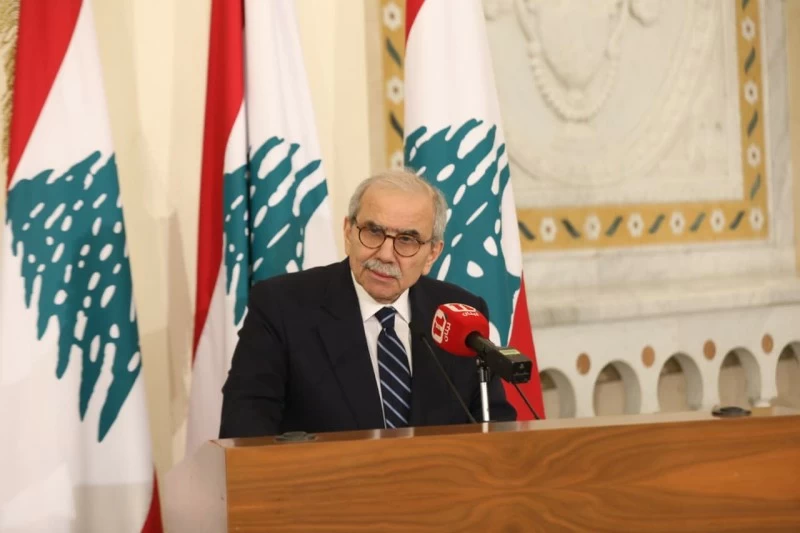
أكد رئيس الحكومة اللبنانية نواف سلام اليوم (الأربعاء) أن المرحلة الثانية من خطة الجيش لحصر السلاح قابلة للتنفيذ خلال 4 أشهر، إذا توافرت لقواته العوامل نفسها التي رافقت المرحلة الأولى.
وأوضح في كلمة له خلال إفطار أقامه في السرايا الحكومية، أن الحكومة أعلنت في 5 أغسطس 2025 عزمها حصر السلاح بيدها وحدها، وكلّفت الجيش إعداد الخطة وتنفيذها، مشدداً بالقول: الجيش أنجز في نهاية العام المنصرم المرحلة الأولى من الخطة جنوب نهر الليطاني، وهي المرة الأولى منذ عام 1969 التي تستعيد فيها القوات المسلحة السيطرة العملانية الكاملة على هذه المنطقة.
تنفيذ المرحلة الثانية
وأشار إلى أن الحكومة أُبلغت استعداد الجيش لتنفيذ المرحلة الثانية، التي تشمل المنطقة الواقعة شمال نهر الليطاني وصولاً إلى نهر الأولي، مؤكداً أن المهمة قابلة للتحقيق خلال 4 أشهر شرط توافر العوامل المساندة نفسها.
ولفت إلى أن الحكومة ستؤمن للقوات المسلحة كل الإمكانات المطلوبة، مع استمرار إحاطتها بأوسع احتضان سياسي وشعبي، مؤكداً أن استعادة سيادة الدولة وبسط سلطتها لا يقتصر على حصر السلاح، بل يشمل حضور الدولة الإنمائي والرعائي في حياة المواطنين، مشدداً على التزام الحكومة بإعادة إعمار الجنوب منذ اليوم الأول.
وأشار سلام إلى أن لبنان خرج من حرب مدمرة، وأن الاعتداءات الإسرائيلية مستمرة، مؤكداً أن الحكومة لن تقبل بانجرار البلاد إلى مغامرة أو حرب جديدة.
ودعا سلام الجميع إلى ضبط العقلانية والوطنية، وأن تعلو مصلحة لبنان فوق أي حساب آخر.
لبنان يستعيد مكانته
وأضاف أن استعادة لبنان مكانته ودوره الإقليمي لا تقوم إلا على المصلحة الوطنية العليا، وليس على حساب أي طرف داخلي.
وشدد على أن الحكومة ركزت خلال العام الماضي على إعادة وصل لبنان بعمقه العربي، معتبرة ذلك شرطاً للاستقرار والازدهار، وتأكيدًا على أن علاقات لبنان مع أشقائه العرب تقوم على الثقة المتبادلة، ما يترجم عربياً دعماً سياسياً وانفتاحاً استثمارياً، مقابل التزام لبنان بأن يكون شريكاً موثوقاً لا ساحة لصراعات إقليمية أو منصة لإيذاء أحد من الأشقاء.
كما أوضح أن إعادة تصويب العلاقة مع سورية تقوم على قاعدة الثقة والاحترام المتبادل، والاعتراف بأن التدخل في الشؤون الداخلية للطرف الآخر يضر بالبلدين معاً، مؤكداً أن السياسة الخارجية للبنان يجب أن تعكس المصلحة الوطنية العليا ودعم سيادة الدولة واستقرارها.
The Lebanese Prime Minister, Nawaf Salam, confirmed today (Wednesday) that the second phase of the army's plan to control weapons is feasible within 4 months, provided that his forces have the same supportive factors that accompanied the first phase.
He explained in a speech during an iftar held at the Grand Serail that the government announced on August 5, 2025, its intention to confine weapons to itself alone, and tasked the army with preparing and implementing the plan, emphasizing that the army completed the first phase of the plan at the end of last year in the area south of the Litani River, marking the first time since 1969 that the armed forces regained full operational control over this region.
Implementation of the Second Phase
He pointed out that the government was informed of the army's readiness to implement the second phase, which includes the area north of the Litani River up to the Awali River, confirming that the mission is achievable within 4 months, provided that the same supportive factors are available.
He noted that the government will provide the armed forces with all the necessary resources, while continuing to surround it with broad political and popular support, emphasizing that restoring state sovereignty and asserting its authority is not limited to controlling weapons, but also includes the state's developmental and welfare presence in the lives of citizens, stressing the government's commitment to the reconstruction of the south from day one.
Salam pointed out that Lebanon has emerged from a devastating war, and that Israeli aggressions are ongoing, affirming that the government will not accept dragging the country into a new adventure or war.
He called on everyone to exercise rationality and patriotism, and to prioritize Lebanon's interests above any other considerations.
Lebanon Regains Its Position
He added that restoring Lebanon's position and regional role can only be based on the supreme national interest, and not at the expense of any internal party.
He emphasized that the government focused during the past year on reconnecting Lebanon with its Arab depth, considering this a prerequisite for stability and prosperity, and affirming that Lebanon's relations with its Arab brothers are based on mutual trust, which translates into Arab political support and investment openness, in exchange for Lebanon's commitment to being a reliable partner, not a battleground for regional conflicts or a platform to harm any of its brothers.
He also clarified that recalibrating the relationship with Syria is based on mutual trust and respect, and recognizing that interference in each other's internal affairs harms both countries, affirming that Lebanon's foreign policy should reflect the supreme national interest and support for the state's sovereignty and stability.