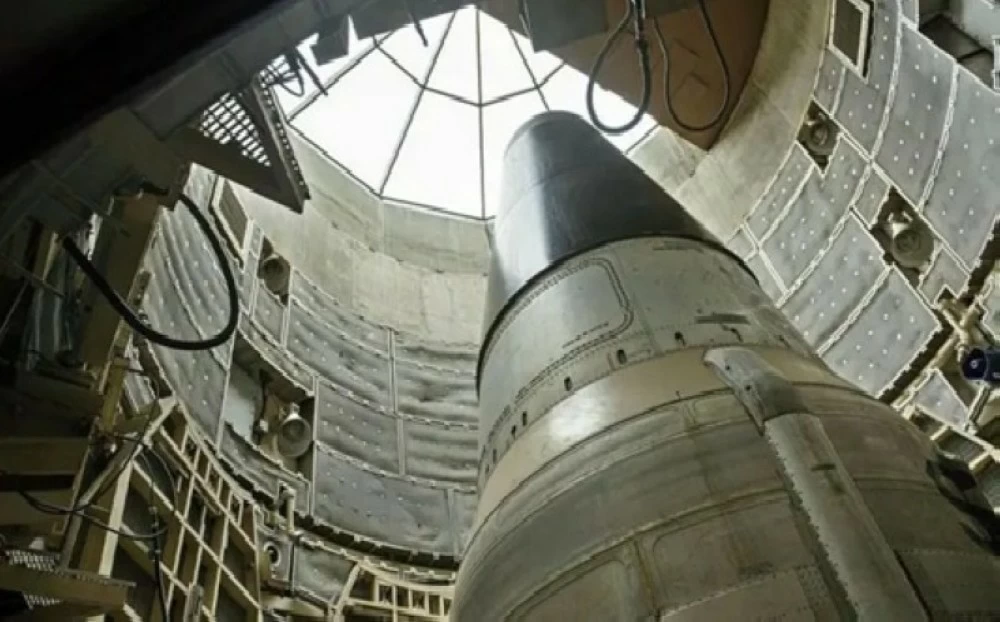
مع انتهاء آخر اتفاق يقيّد الترسانة النووية بين واشنطن وموسكو، اختار الرئيس الأمريكي دونالد ترمب ألا يمدّ «نيو ستارت»، بل أن يقلب الطاولة ويدعو إلى معاهدة نووية جديدة مع روسيا، في خطوة أثارت قلقًا دوليًا واسعًا من عودة سباق التسلح إلى الواجهة.
وقال ترمب في منشور على منصته «تروث سوشيال»، إن معاهدة «نيو ستارت» التي انتهى سريانها «لم تعد صالحة للمستقبل»، معتبرًا أنها صيغت بشكل سيئ في عهد باراك أوباما، داعيًا خبراء بلاده النوويين إلى العمل فورًا على اتفاق «أقوى، وأطول عمرًا، وأكثر صرامة».
جاءت التصريحات بعد ساعات فقط من انتهاء مفعول المعاهدة، التي كانت تمثل آخر خطوط الدفاع أمام انفلات عدد الرؤوس النووية الإستراتيجية بين القوتين النوويتين الأكبر في العالم، ما أعاد إلى الأذهان أجواء الحرب الباردة ومخاوف الانتشار النووي. وعندما سُئل البيت الأبيض عمّا إذا كانت واشنطن وموسكو التزمتا بشكل غير معلن ببنود المعاهدة المنتهية ريثما تبدأ مفاوضات جديدة، اكتفت المتحدثة باسم الرئاسة الأمريكية كارولاين ليفيت بالقول إن الأمر «غير معروف»، في مؤشر على فراغ تفاوضي مقلق. ورغم أن ترمب لطالما تحدث عن رغبته في ضبط السلاح النووي، فإن موقفه هذه المرة بدا مختلفًا؛ إذ ربط أي إطار جديد بإشراك الصين، وهو مطلب ترفضه بكين حتى الآن، ما يعقّد فرص التوصل إلى اتفاق سريع.
موسكو تأسف.. وبكين تبتعد
في موسكو، عبّر الكرملين عن أسفه لانتهاء «نيو ستارت»، وقال المتحدث باسم الرئاسة الروسية ديميتري بيسكوف إن المعاهدة كانت عنصرًا أساسيًا في الحفاظ على التوازن النووي، محذرًا ضمنيًا من تداعيات غيابها.
أما الصين، فأعلنت بوضوح أنها لا ترى نفسها معنية حاليًا بأي مفاوضات من هذا النوع، معتبرة أن ترسانتها النووية «محدودة» مقارنة بالولايات المتحدة وروسيا، لكنها شددت في الوقت نفسه على أن انهيار منظومة ضبط التسلح يهدد الاستقرار الإستراتيجي العالمي.
ودعا حلف شمال الأطلسي (الناتو) الأطراف الكبرى إلى التحلي بالمسؤولية، فيما وصف الأمين العام للأمم المتحدة أنطونيو غوتيريش لحظة انتهاء المعاهدة بأنها «من أخطر اللحظات على السلام الدولي منذ عقود»، محذرًا من أن العالم بات أقرب من أي وقت مضى إلى خطر استخدام السلاح النووي.
يذكر أن معاهدة «نيو ستارت»، الموقعة عام 2010، كانت آخر اتفاق نووي ساري المفعول بين واشنطن وموسكو، وحددت سقفًا أقصى يبلغ 1550 رأسًا نوويًا إستراتيجيًا لكل طرف، مع آليات تحقق متبادلة. ومع سقوطها، يدخل العالم مرحلة نووية بلا قيود واضحة.
With the end of the last agreement limiting the nuclear arsenal between Washington and Moscow, U.S. President Donald Trump chose not to extend "New START," but to turn the tables and call for a new nuclear treaty with Russia, a move that raised widespread international concern about the return of the arms race to the forefront.
Trump stated in a post on his platform "Truth Social" that the "New START" treaty, which has now expired, "is no longer valid for the future," considering it poorly crafted during Barack Obama's administration, and called on his country's nuclear experts to immediately work on a "stronger, longer-lasting, and more stringent" agreement.
The statements came just hours after the treaty expired, which represented the last line of defense against the uncontrolled increase in the number of strategic nuclear warheads between the two largest nuclear powers in the world, bringing back memories of the Cold War and fears of nuclear proliferation. When asked whether Washington and Moscow had unofficially adhered to the terms of the expired treaty while waiting to start new negotiations, U.S. presidential spokesperson Caroline Levitt simply stated that the matter is "unknown," indicating a concerning negotiation vacuum. Although Trump has often spoken about his desire to regulate nuclear weapons, his stance this time seemed different; he linked any new framework to involving China, a demand that Beijing has so far rejected, complicating the chances of reaching a swift agreement.
Moscow Regrets.. Beijing Stays Away
In Moscow, the Kremlin expressed regret over the end of "New START," with Russian presidential spokesperson Dmitry Peskov stating that the treaty was a key element in maintaining nuclear balance, implicitly warning of the consequences of its absence.
As for China, it clearly announced that it does not see itself as currently concerned with any negotiations of this kind, considering its nuclear arsenal "limited" compared to the United States and Russia, but at the same time emphasized that the collapse of the arms control system threatens global strategic stability.
NATO called on major parties to act responsibly, while United Nations Secretary-General Antonio Guterres described the moment of the treaty's expiration as "one of the most dangerous moments for international peace in decades," warning that the world is closer than ever to the risk of nuclear weapon use.
It is worth noting that the "New START" treaty, signed in 2010, was the last active nuclear agreement between Washington and Moscow, setting a maximum cap of 1,550 strategic nuclear warheads for each party, along with mutual verification mechanisms. With its collapse, the world enters a nuclear phase without clear constraints.