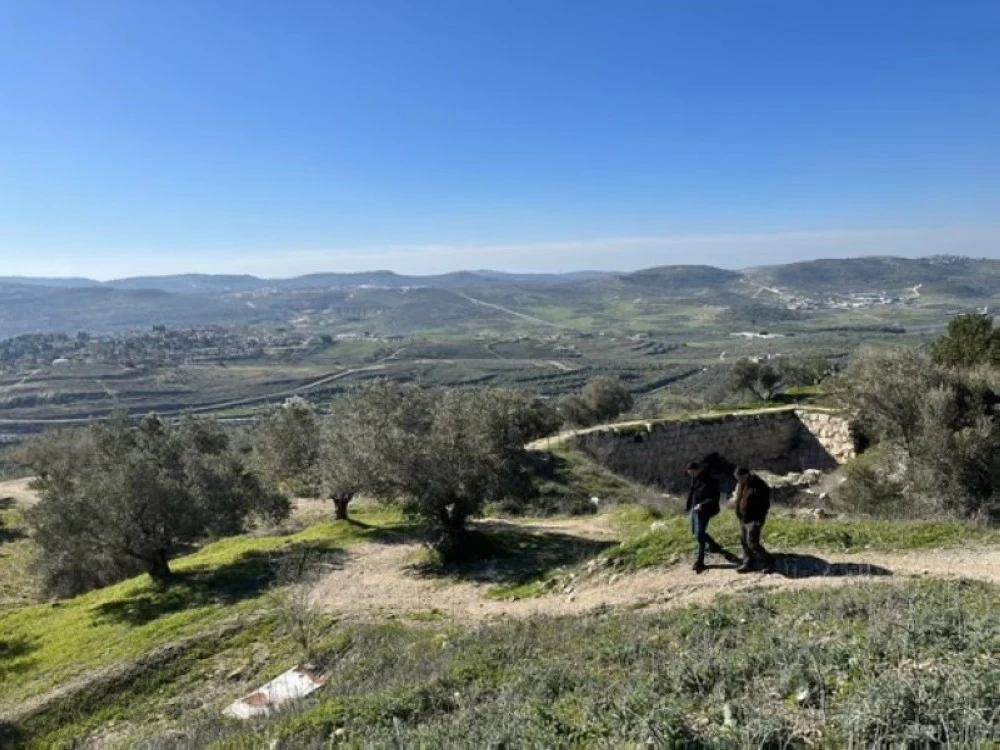
على تلةٍ تاريخية تتقاطع فيها الحضارات، تقف آثار سبسطية الفلسطينية شاهدة على آلاف السنين من التاريخ المتراكم، من العصر البيزنطي والروماني إلى الإسلامي والعثماني، لكن هذا المشهد الأثري الغني بات اليوم مهدداً، ليس بعوامل الزمن، بل بقرار مصادرة واسع يثير قلق سكان البلدة الصغيرة ويهدد مصدر رزقهم وهويتهم.
خطوة لعزل أهل الضفة الغربية
فبينما تعلن سلطات الاحتلال الإسرائيلية عن مشروع «تطوير أثري» ضخم، يرى الفلسطينيون فيه خطوة جديدة لعزلهم عن أرضهم وتراثهم، وسط اتهامات بتوظيف علم الآثار كأداة سياسية لفرض وقائع جديدة على الأرض في الضفة الغربية المحتلة، بحسب تقرير أوردته صحيفة «الغارديان».
مصادرة موقع أثري فلسطيني
ففي نوفمبر الماضي، تلقّى رئيس بلدية سبسطية محمود عازم إخطاراً رسمياً من السلطات الإسرائيلية يفيد بمصادرة كامل الموقع الأثري الممتد على تلة مجاورة للبلدة.
ورغم تداول أنباء منذ سنوات عن مشروع إسرائيلي لتطوير الموقع، فإن القرار جاء صادماً لسكان البلدة البالغ عددهم نحو 3,500 نسمة، يعتمد معظمهم على السياحة المرتبطة بالموقع أو على زراعة الزيتون كمصدر رئيسي للرزق.
ووفق المخططات المعلنة، يشمل المشروع إنشاء مركز للزوار، وموقف سيارات، إلى جانب إقامة سياج يفصل الموقع الأثري عن البلدة، ما يعني عملياً عزل السكان عن الآثار وعن ما تبقى من بساتين الزيتون المحيطة بها.
وقال رئيس البلدية محمود عازم: «للأسف، دخلت سبسطية نفقاً مظلماً، ما يجري هو اعتداء على الأراضي الفلسطينية، وعلى أشجار الزيتون، وعلى المواقع السياحية، وانتهاك صارخ لتاريخ وتراث فلسطين».
أكبر عملية استيلاء على أراضٍ لأغراض أثرية
وتبلغ مساحة الأراضي المصادرة نحو 182 هكتاراً (450 فداناً)، في أكبر عملية استيلاء على أراضٍ لأغراض أثرية منذ احتلال إسرائيل للضفة الغربية عام 1967، عقب حربها مع مصر وسورية وحلفائهما العرب.
الآثار سلاح سياسي
ويرى خبراء أن المشروع الأثري ليس سوى غطاء لتوسيع الاستيطان اليهودي في الضفة الغربية، وهي سياسة تعززت بقوة خلال السنوات الأخيرة في ظل الحكومة الإسرائيلية اليمينية الحالية.
ويشير ناشطون إلى أن جزءاً كبيراً من الأراضي المصادرة مملوك ملكية خاصة لفلسطينيين، ما يشكل سابقة خطيرة.
وقال ألون أراد، من منظمة «عيمك شافيه» الإسرائيلية غير الحكومية لـ«الغارديان»، إن علم الآثار يتم «تسليحه سياسياً»، مضيفاً: «ما يُخطط له في سبسطية غير مسبوق من حيث الحجم، وهو أمر انتهازي للغاية، القضية ليست تاريخاً، بل أرض وضم».
ويُدار المشروع، الذي تُقدَّر كلفته بملايين الدولارات، بدفع من أعضاء حزب «عوتسما يهوديت» اليميني المتطرف، الشريك في الائتلاف الحاكم، وهو الأكثر تطرفاً في تاريخ إسرائيل، كما تتضمن الخطة شق طريق جديد يسمح للزوار بالوصول مباشرة من داخل إسرائيل، متجاوزين البلدة الفلسطينية، مع توقع توسع مستوطنة يهودية كبيرة تقع على بعد نحو كيلومتر واحد فقط من الموقع.
ويُعد وزير التراث الإسرائيلي أميحاي إلياهو، المنتمي للحزب ذاته المقيم في مستوطنة بالضفة الغربية، من أبرز الداعين إلى ضم كامل الأراضي الفلسطينية، وكان قد صرّح العام الماضي بأن «سبسطية من أهم مواقع تراثنا الوطني والتاريخي»، مؤكداً أن الهدف هو «إحياء الموقع وتحويله إلى مقصد لمئات الآلاف من الزوار سنوياً».
تاريخ متعدد الطبقات ورواية واحدة
غير أن باحثين ومختصين فلسطينيين يحذرون من اختزال تاريخ سبسطية في حقبة واحدة، وتقول ولاء غزال، أمينة متحف صغير يقع في فناء مسجد يعود للقرن الثالث عشر في البلدة، إن التركيز على فترة زمنية واحدة يُعد تشويهاً للتاريخ، فالمسجد العثماني كان في الأصل كاتدرائية صليبية، وقبلها كنيسة بيزنطية، ويضم ضريح النبي يحيى (يوحنا المعمدان).
وأضافت: «كانت هناك حياة متواصلة هنا عبر القرون، لا يجوز التركيز على فترة واحدة فقط، مملكة السامرة كانت في العصر الحديدي، لكن البشر عاشوا هنا قبل ذلك بكثير».
ويشير علماء آثار إلى أن مملكة السامرة دُمّرت عام 722 قبل الميلاد على يد الآشوريين، ثم أعاد الإسكندر الأكبر تدمير مستوطنة لاحقة في الموقع، قبل أن يعيد الملك هيرودس بناءها ويُسميها تكريماً للإمبراطور أوغسطس، وتعاقبت بعدها عصور الحكم البيزنطي والإسلامي والصليبي والعثماني ثم البريطاني.
انتقادات دولية ومخاوف السكان
وتواجه مشاريع أثرية أخرى مدعومة من الحكومة الإسرائيلية في الضفة الغربية والقدس الشرقية انتقادات مماثلة، وسط اتهامات بتوظيف علم الآثار لخدمة أهداف أيديولوجية. وأشار تقرير للاتحاد الأوروبي عام 2018 إلى أن بعض هذه المشاريع تُستخدم «كأداة سياسية لتغيير السرد التاريخي ودعم وتوسيع المستوطنات».
وبموجب القانون الدولي، يُحظر على قوة احتلال التدخل في المواقع الأثرية أو تطويرها.
سبسطية على قائمة اليونسكو باسم فلسطين
وكانت سبسطية قد أُدرجت منذ عام 2012 على القائمة التمهيدية لمواقع التراث العالمي التابعة لليونسكو باسم دولة فلسطين.
ورغم تراجع أعداد السياح منذ اندلاع الحرب على غزة في أكتوبر 2023، كان سكان البلدة يأملون بعودة مئات الزوار الذين كانوا يتوافدون يومياً قبل ذلك.
ويقول محمود غزال، الذي يعيش بمحاذاة بقايا البازيليكا الرومانية، إن منزله ومتجره ومطعمه باتت مهددة بسبب السياج المزمع إقامته: «هذا المشروع سيدمر سبسطية. سيأخذون كل شيء منا».
On a historical hill where civilizations intersect, the ruins of Palestinian Sebastia stand witness to thousands of years of accumulated history, from the Byzantine and Roman eras to the Islamic and Ottoman periods. However, this rich archaeological scene is now threatened, not by the passage of time, but by a wide-ranging confiscation decision that raises concerns among the residents of the small town and threatens their livelihood and identity.
A Step to Isolate the People of the West Bank
As the Israeli occupation authorities announce a massive "archaeological development" project, Palestinians see it as a new step to isolate them from their land and heritage, amid accusations of using archaeology as a political tool to impose new realities on the ground in the occupied West Bank, according to a report by the Guardian newspaper.
Confiscation of a Palestinian Archaeological Site
Last November, the mayor of Sebastia, Mahmoud Azem, received an official notification from the Israeli authorities stating the confiscation of the entire archaeological site extending over a hill adjacent to the town.
Despite rumors circulating for years about an Israeli project to develop the site, the decision came as a shock to the town's approximately 3,500 residents, most of whom rely on tourism related to the site or on olive farming as their main source of income.
According to the announced plans, the project includes the establishment of a visitor center, a parking lot, and the construction of a fence separating the archaeological site from the town, which practically means isolating the residents from the ruins and what remains of the surrounding olive groves.
The mayor, Mahmoud Azem, stated: "Unfortunately, Sebastia has entered a dark tunnel; what is happening is an assault on Palestinian lands, on olive trees, on tourist sites, and a blatant violation of the history and heritage of Palestine."
The Largest Land Grab for Archaeological Purposes
The area of the confiscated land is about 182 hectares (450 acres), in the largest land grab for archaeological purposes since Israel occupied the West Bank in 1967, following its war with Egypt, Syria, and their Arab allies.
Archaeology as a Political Weapon
Experts believe that the archaeological project is nothing more than a cover for expanding Jewish settlement in the West Bank, a policy that has been strongly reinforced in recent years under the current right-wing Israeli government.
Activists point out that a large part of the confiscated land is privately owned by Palestinians, which constitutes a dangerous precedent.
Alon Arad, from the Israeli NGO "Aymek Shaveh," told the Guardian that archaeology is being "politically weaponized," adding: "What is planned in Sebastia is unprecedented in scale, and it is extremely opportunistic; the issue is not history, but land and annexation."
The project, estimated to cost millions of dollars, is driven by members of the far-right "Otzma Yehudit" party, a partner in the ruling coalition, which is the most extreme in Israel's history. The plan also includes the construction of a new road allowing visitors to access directly from within Israel, bypassing the Palestinian town, with expectations of the expansion of a large Jewish settlement located just about one kilometer from the site.
The Israeli Minister of Heritage, Amihai Eliyahu, who belongs to the same party and resides in a settlement in the West Bank, is one of the most prominent advocates for the annexation of all Palestinian lands. He stated last year that "Sebastia is one of the most important sites of our national and historical heritage," emphasizing that the goal is "to revive the site and turn it into a destination for hundreds of thousands of visitors annually."
A Multi-layered History and a Single Narrative
However, Palestinian researchers and specialists warn against reducing the history of Sebastia to a single era. Walaa Ghazal, the curator of a small museum located in the courtyard of a 13th-century mosque in the town, says that focusing on one time period distorts history. The Ottoman mosque was originally a Crusader cathedral, and before that, a Byzantine church, and it contains the tomb of Prophet John (John the Baptist).
She added: "There has been continuous life here over the centuries; it is not permissible to focus on just one period. The Kingdom of Samaria existed in the Iron Age, but humans lived here long before that."
Archaeologists point out that the Kingdom of Samaria was destroyed in 722 BC by the Assyrians, and then Alexander the Great destroyed a subsequent settlement at the site before King Herod rebuilt it and named it in honor of Emperor Augustus, followed by periods of Byzantine, Islamic, Crusader, Ottoman, and then British rule.
International Criticism and Residents' Concerns
Other archaeological projects supported by the Israeli government in the West Bank and East Jerusalem face similar criticisms, amid accusations of using archaeology to serve ideological goals. A 2018 report by the European Union indicated that some of these projects are used "as a political tool to change the historical narrative and support and expand settlements."
Under international law, it is prohibited for an occupying power to interfere with or develop archaeological sites.
Sebastia on UNESCO's List as Palestine
Sebastia has been listed since 2012 on the tentative list of UNESCO World Heritage Sites under the name of the State of Palestine.
Despite a decline in tourist numbers since the outbreak of the war on Gaza in October 2023, the residents of the town had hoped for the return of hundreds of visitors who used to flock daily before that.
Mahmoud Ghazal, who lives next to the remains of the Roman basilica, says that his home, shop, and restaurant are now threatened due to the planned fence: "This project will destroy Sebastia. They will take everything from us."