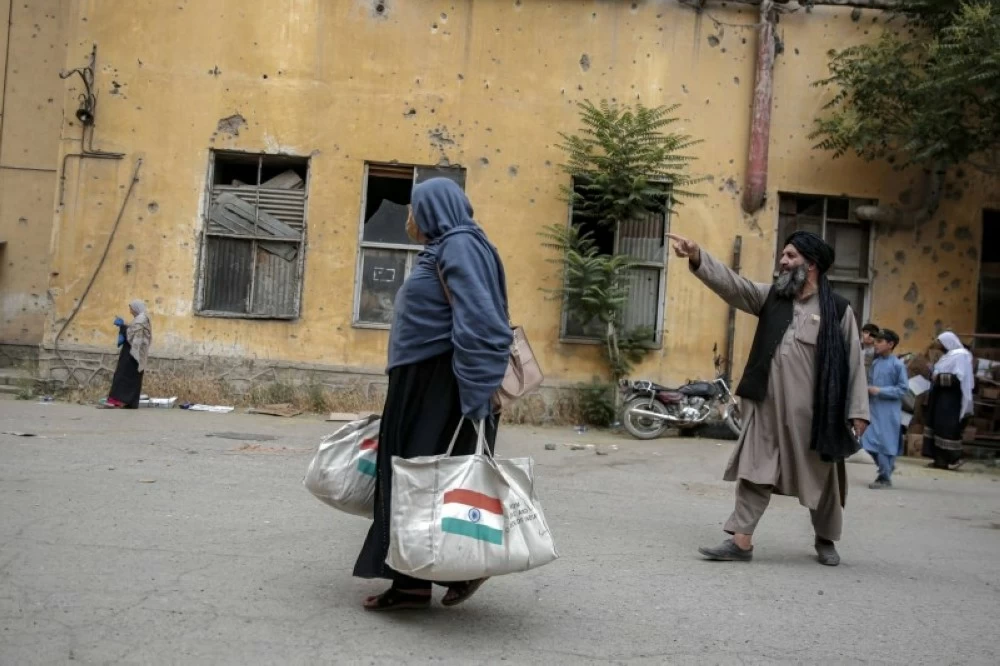
حذرت الأمم المتحدة اليوم (السبت) من أزمات ثلاث: (الجفاف، وعودة اللاجئين، ونقص التمويل) تضرب أفغانستان، موضحة أن هناك تفاقما في الأمن الغذائي وتقييد الوصول إلى الخدمات الصحية والأساسية.
وقال منسق الأمم المتحدة للشؤون الإنسانية في أفغانستان، أندريكا راتوات: "الأزمة السياسية التي تواجهها البلاد تدفع الملايين تجاه صعاب حادة، بحسب ما نقلته وكالة خاما برس الأفغانية"، مضيفاً: "الجفاف المطول الذي ضرب نحو 70 % من الأفغان الذين يعتمدون على الزراعة تقوض بشكل كبير الأمن الغذائي عبر البلاد".
وأشار إلى أن عودة نحو 3.5 مليون مهاجر من إيران وباكستان إلى جانب أزمة تمويلية عالمية أوسع، زادت من الضغط على عمليات المساعدة والمجتمعات الهشة بالفعل، لافتاً إلى أنه لم يتم الوفاء إلا بـ 37 % فقط من مناشدات الأمم المتحدة للتمويل الإنساني لأفغانستان، مما أدى إلى غلق 400 منشأة صحية و300 مركز تغذية على مستوى البلاد.
وتواجه أفغانستان أزمة كبيرة وغياب المساعدة الدولية بعد عقود من الصراع والانهيار الاقتصادي، فيما تحاول وكالات الإغاثة جاهدة للحفاظ على الخدمات الأساسية وسط تراجع إسهامات المانحين.
وكان تقييم مكتب الأمم المتحدة لتنسيق الشؤون الإنسانية قد ذكر أن أفغانستان سوف تظل بين أكبر الأزمات الإنسانية في العالم في 2026، معزياً ذلك إلى غياب الأمن الغذائي والصدمات المناخية وعودة المهاجرين والاستبعاد الممنهج للنساء.
The United Nations warned today (Saturday) of three crises: (drought, the return of refugees, and funding shortages) hitting Afghanistan, stating that there is a worsening of food security and restricted access to health and essential services.
UN Humanitarian Coordinator for Afghanistan, Andreika Ratwat, said: "The political crisis facing the country is pushing millions towards severe hardships, according to Afghan news agency Khaama Press," adding: "The prolonged drought affecting about 70% of Afghans who depend on agriculture significantly undermines food security across the country."
He pointed out that the return of about 3.5 million migrants from Iran and Pakistan, along with a broader global funding crisis, has increased pressure on aid operations and already vulnerable communities, noting that only 37% of the UN's humanitarian funding appeals for Afghanistan have been met, leading to the closure of 400 health facilities and 300 nutrition centers nationwide.
Afghanistan is facing a major crisis and a lack of international assistance after decades of conflict and economic collapse, while relief agencies are struggling to maintain essential services amid declining donor contributions.
The assessment by the UN Office for the Coordination of Humanitarian Affairs indicated that Afghanistan will remain among the largest humanitarian crises in the world in 2026, attributing this to food insecurity, climate shocks, the return of migrants, and the systematic exclusion of women.