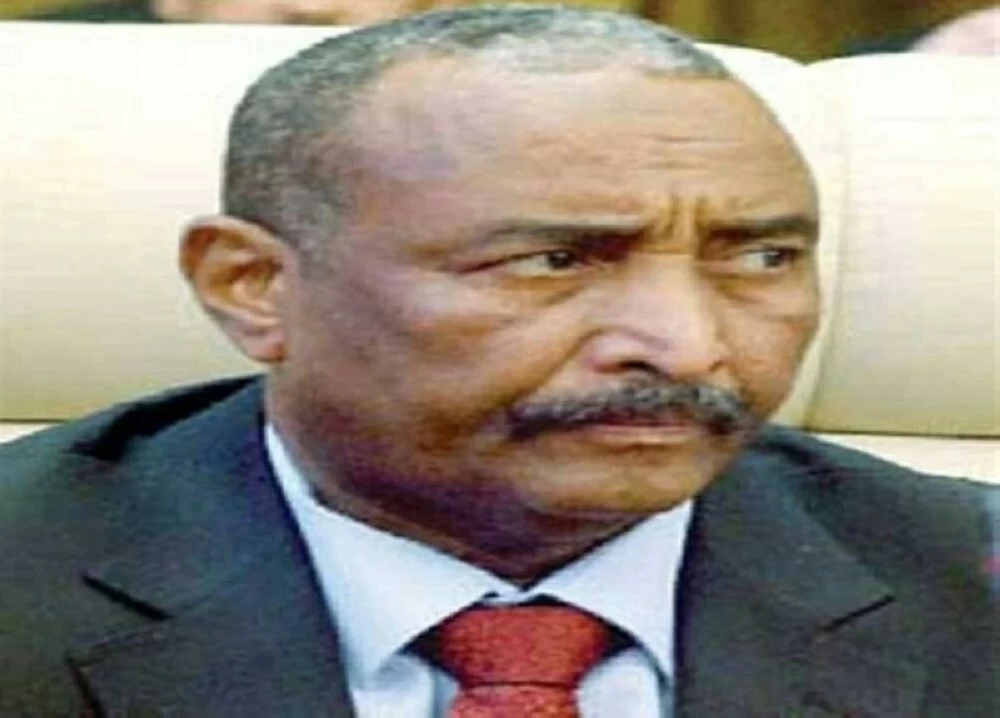
في مشهد سوداني معقد تتقاطع فيه لغة السلاح مع نداءات الإغاثة، تتسارع التطورات الميدانية والسياسية والإنسانية، لتضع البلاد أمام مفترق طرق حاسم بعد أكثر من ألف يوم من الصراع المفتوح. وجدد رئيس مجلس السيادة السوداني الفريق أول عبدالفتاح البرهان التأكيد على أن ما يصفها بـ«معركة الكرامة» ما زالت مستمرة، ولن تتوقف قبل إنهاء التمرد وكل من يقف خلفه، مشددًا على أن الشعب السوداني يرفض أي محاولات لفرض حلول عليه من خارج إرادته.
تصريحات البرهان جاءت في وقت تشهد فيه عدة ولايات، خصوصًا كردفان ودارفور، تصعيدًا عسكريًا متواصلًا ومعارك عنيفة على الأرض. وفي مقابل خطاب الحسم العسكري، أرسلت الحكومة رسائل طمأنة من قلب العاصمة، بإعلان رئيس وزراء السودان الدكتور كامل إدريس عودة الخدمات بقوة إلى الخرطوم، مؤكدًا أن الوضع الأمني في شوارعها بات أكثر استقرارًا، وأن المرحلة القادمة تتطلب تضافر جميع مكونات المجتمع لبناء تعايش سلمي يعيد الحياة إلى طبيعتها بعد شهور طويلة من الاضطراب.
لكن الصورة لا تكتمل دون الجانب الإنساني، الذي يبدو الأكثر قتامة. فالأمم المتحدة حذّرت من أن السودان يعيش اليوم أكبر أزمة جوع ونزوح في العالم، مع استمرار النزاع دون أي مؤشرات حقيقية على الانحسار. فالمعارك المشتعلة بين الجيش السوداني وميليشيا الدعم السريع، خصوصاً في مناطق جنوب كردفان ودارفور، فاقمت من معاناة المدنيين، وسط تضارب الأنباء حول السيطرة على مناطق إستراتيجية مثل هبيلا.
وفي محاولة لتسليط الضوء على حجم المأساة، واصل المفوض السامي لحقوق الإنسان فولكر تورك زيارته إلى السودان، حيث تفقد معسكرات النازحين في الولاية الشمالية، والتقى عائلات فقدت كل شيء تقريبًا. وأكد تورك أن زيارته تأتي تضامنًا مع الضحايا والناجين من انتهاكات الميليشيات، ودعمًا للجهود الرامية إلى تقديم الحد الأدنى من الحماية والمساندة لهم.
من جهته، أطلق برنامج الأغذية العالمي تحذيرًا شديد اللهجة، معلنًا أن عملياته الطارئة المنقذة للحياة باتت مهددة. وأوضح البرنامج أنه تمكن منذ اندلاع النزاع في أبريل 2023 من الوصول إلى أكثر من 10 ملايين سوداني من الفئات الأشد ضعفًا، لكنه اضطر مؤخرًا إلى تقليص الحصص الغذائية إلى الحد الأدنى للبقاء على قيد الحياة. ومع اقتراب نفاد المخزون الغذائي بحلول نهاية مارس، فإن ملايين الأشخاص قد يُحرمون من المساعدات خلال أسابيع ما لم يتوفر تمويل عاجل.
هكذا يقف السودان اليوم على خط نار مزدوج: معركة عسكرية لا تهدأ، وأزمة إنسانية تتسع رقعتها يومًا بعد يوم. وبين وعود الحسم ونداءات الإنقاذ، يبقى السؤال مفتوحًا: أيهما سيصل أولًا إلى الشعب السوداني: نهاية الحرب أم حافة المجاعة؟
In a complex Sudanese scene where the language of arms intersects with calls for relief, the field, political, and humanitarian developments are accelerating, placing the country at a crucial crossroads after more than a thousand days of open conflict. The Chairman of the Sudanese Sovereignty Council, General Abdel Fattah al-Burhan, reiterated that what he describes as the "battle for dignity" is still ongoing and will not stop until the rebellion and all those behind it are ended, emphasizing that the Sudanese people reject any attempts to impose solutions on them from outside their will.
Al-Burhan's statements came at a time when several states, particularly Kordofan and Darfur, are witnessing continuous military escalation and fierce ground battles. In contrast to the rhetoric of military resolution, the government sent reassuring messages from the heart of the capital, with Sudan's Prime Minister Dr. Kamel Idris announcing the strong return of services to Khartoum, confirming that the security situation in its streets has become more stable, and that the upcoming phase requires the cooperation of all components of society to build peaceful coexistence that restores life to normalcy after long months of turmoil.
However, the picture is incomplete without the humanitarian aspect, which appears to be the most grim. The United Nations has warned that Sudan is currently experiencing the largest hunger and displacement crisis in the world, with the conflict continuing without any real indicators of abating. The raging battles between the Sudanese army and the Rapid Support Forces, particularly in areas of South Kordofan and Darfur, have exacerbated the suffering of civilians, amidst conflicting reports about control over strategic areas like Heibela.
In an attempt to highlight the scale of the tragedy, the UN High Commissioner for Human Rights, Volker Turk, continued his visit to Sudan, where he inspected the displacement camps in the Northern State and met families who have lost almost everything. Turk confirmed that his visit is in solidarity with the victims and survivors of militia violations, and in support of efforts aimed at providing at least minimal protection and assistance to them.
For its part, the World Food Programme issued a strong warning, announcing that its life-saving emergency operations are now at risk. The programme explained that since the outbreak of the conflict in April 2023, it has managed to reach over 10 million of the most vulnerable Sudanese, but it has recently been forced to reduce food rations to the bare minimum needed for survival. With food stocks nearing depletion by the end of March, millions of people may be deprived of assistance within weeks unless urgent funding becomes available.
Thus, Sudan today stands on a double fire line: a relentless military battle and a humanitarian crisis that is expanding day by day. Between promises of resolution and calls for rescue, the question remains open: which will reach the Sudanese people first: the end of the war or the brink of famine?