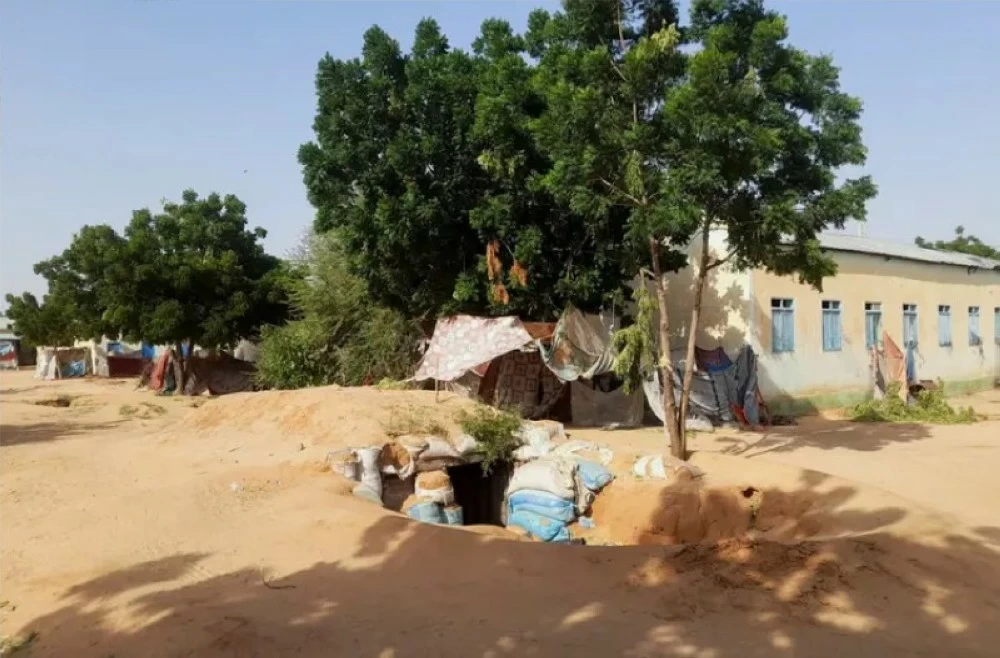
كشفت مسؤولة بارزة في الأمم المتحدة اليوم (الإثنين)، عن طبيعة الوضع في مدينة الفاشر (غرب السودان) التي زارها موظفو الإغاثة الدوليون لأول مرة منذ سيطرة قوات الدعم السريع عليها، مؤكدة أنها مدينة مهجورة إلى حد كبير ومسرح جريمة.
ونقلت وسائل إعلام غربية عن منسقة الأمم المتحدة المقيمة للشؤون الإنسانية في السودان دينيس براون قولها: الفاشر تحولت إلى مسرح جريمة.
وأشارت إلى أنها خلال الزيارة التي قام بها موظفو الأمم المتحدة إلى الفاشر (الجمعة) واستمرت عدة ساعات وجدوا أن «المدينة لم تكن تعج بالناس، كان هناك عدد قليل جداً ممن تمكنوا من رؤيتهم».
وذكرت أنه من غير الممكن تحديد العدد الدقيق لمن تبقى في الفاشر، وأن الأشخاص الذين رآهم موظفو الأمم المتحدة يعيشون داخل مبانٍ مهجورة أو في مخيمات بدائية من أغطية بلاستيكية بسيطة، مشيرة إلى أن لديهم صوراً لأشخاص يمكن للمرء أن يرى بوضوح آثار التعب والإجهاد والقلق والفقد على وجوههم.
ولفتت إلى أن القرى المحيطة بالمدينة مقفرة على ما يبدو، مبينة أن الزيارة كانت تهدف إلى تقييم ما إذا كان من الممكن الوصول إلى الفاشر بأمان، بينما تبحث الأمم المتحدة إدخال الإمدادات الأساسية التي بوسعها إدخالها. وشددت بالقول: «لكن بصراحة، ما زلنا نشعر بقلق بالغ بشأن المصابين، والذين لم نتمكن من رؤيتهم، والذين ربما يكونون رهن الاحتجاز»، مبينة أن الزيارات اللاحقة ستركز على جانبَي المياه والصرف الصحي.
A senior official at the United Nations revealed today (Monday) the nature of the situation in the city of El Fasher (West Sudan), which was visited by international relief workers for the first time since the Rapid Support Forces took control of it, confirming that it is largely an abandoned city and a crime scene.
Western media quoted the UN Resident Coordinator for Humanitarian Affairs in Sudan, Denise Brown, as saying: "El Fasher has turned into a crime scene."
She noted that during the visit by UN staff to El Fasher (on Friday), which lasted several hours, they found that "the city was not bustling with people; there were very few they could see."
She mentioned that it is impossible to determine the exact number of those who remain in El Fasher, and that the people seen by UN staff live inside abandoned buildings or in makeshift camps made of simple plastic coverings, pointing out that they have pictures of individuals who clearly show signs of fatigue, stress, anxiety, and loss on their faces.
She highlighted that the villages surrounding the city appear desolate, indicating that the visit aimed to assess whether it is possible to safely access El Fasher, while the UN seeks to deliver essential supplies that it can provide. She emphasized by saying: "But frankly, we still feel extremely concerned about the injured, those we could not see, and who may be in detention," noting that subsequent visits will focus on the aspects of water and sanitation.