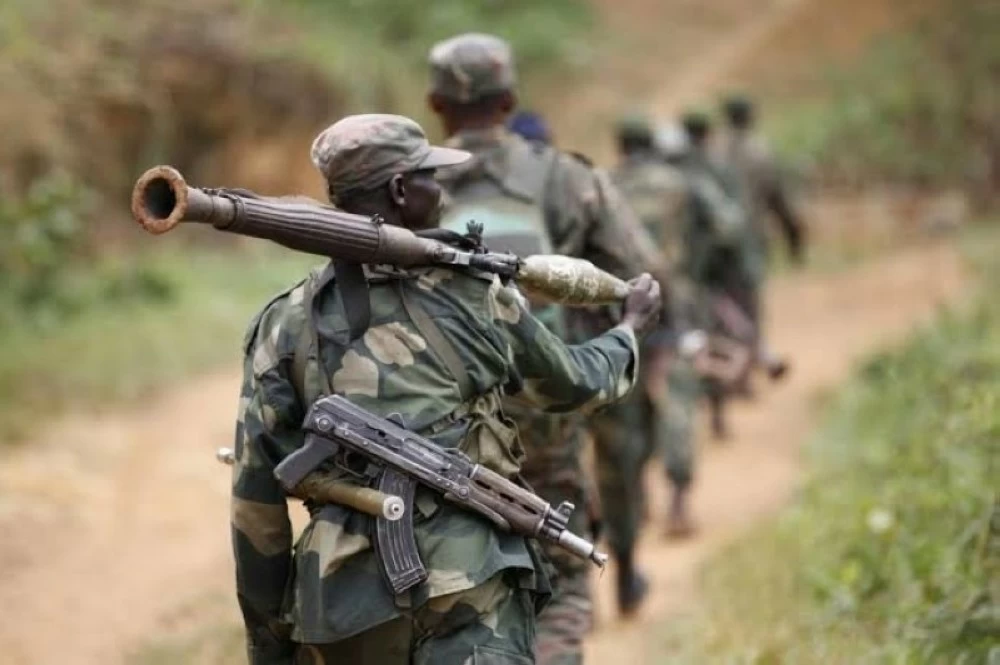
في تصعيد دراماتيكي ومقلق، لقي 74 مدنياً على الأقل مصرعهم وأصيب 83 آخرون في إقليم جنوب كيفو بشرق جمهورية الكونغو خلال الفترة من 2 إلى 7 ديسمبر الجاري، وفق تقرير أولي أصدرته بعثة الأمم المتحدة في الكونغو (مونوسكو).
واستخدمت في الاشتباكات العنيفة التي شهدتها مناطق أوفيرا، والونجو، موينجا، شابوندا، كاباري، فيزي وكاليهي أسلحة ثقيلة وقذائف سقطت على تجمعات سكانية، ما أدى إلى تدمير منازل ومدارس ومراكز صحية، في خرق صارخ للقانون الإنساني الدولي.
وقال منسق الشؤون الإنسانية للأمم المتحدة في الكونغو الديمقراطية، برونو لوماركي، في بيان صدر (الإثنين): «المدنيون والبنى التحتية المدنية ليسوا أهدافاً، ما نشهده الآن تصعيد مقلق للغاية يجب أن يتوقف فوراً».
وأجبرت المعارك أكثر من 200 ألف شخص على الفرار من قراهم منذ بداية الشهر الجاري، فيما عبر آلاف آخرون الحدود هرباً إلى بوروندي ورواندا، حيث يأتي هذا النزوح الجماعي الجديد في إقليم يستضيف أصلاً 1.2 مليون نازح داخلي، ما يفاقم واحدة من أسوأ الأزمات الإنسانية في العالم.
وقُطعت الطرق الرئيسية بسبب الحواجز المسلحة، ما حال دون إجلاء الجرحى ومنع وصول المساعدات. وأكدت فرق الإغاثة استعدادها الكامل للتدخل فور تحسن الوضع الأمني.
ورحّب المسؤول الأممي بالتصديق على اتفاق السلام الذي وقّعته كينشاسا وكيغالي في 4 ديسمبر برعاية أنغولية، لكنه حذّر: «مصداقية هذا الاتفاق مرهونة بوقف فوري وكامل لإطلاق النار على الأرض».
وأكدت الفرق الإنسانية استعدادها للتدخل في المناطق المتضررة فور تحسن الوضع الأمني. وبحسب الأمم المتحدة، تلقى أكثر من 1.5 مليون شخص في الإقليم مساعدات منقذة للحياة بين يناير وسبتمبر.
يُذكر أن الأمم المتحدة قدمت مساعدات منقذة للحياة لأكثر من 1.5 مليون شخص في جنوب كيفو خلال الأشهر التسعة الأولى من 2025، لكن التصعيد الأخير يهدد بقلب كل هذه الجهود رأساً على عقب.
In a dramatic and alarming escalation, at least 74 civilians have been killed and 83 others injured in the South Kivu province in eastern Democratic Republic of Congo between December 2 and 7, according to a preliminary report issued by the United Nations mission in Congo (MONUSCO).
The violent clashes that occurred in the areas of Uvira, Walungu, Mwenga, Shabunda, Kabare, Fizi, and Kalehe involved heavy weapons and shells that fell on populated areas, leading to the destruction of homes, schools, and health centers, in a blatant violation of international humanitarian law.
The UN Humanitarian Coordinator in the Democratic Republic of Congo, Bruno Lemarquis, stated in a statement issued on Monday: "Civilians and civilian infrastructure are not targets; what we are witnessing now is a very concerning escalation that must stop immediately."
The fighting has forced more than 200,000 people to flee their villages since the beginning of this month, while thousands more have crossed the border into Burundi and Rwanda. This new mass displacement occurs in a region that already hosts 1.2 million internally displaced persons, exacerbating one of the worst humanitarian crises in the world.
Main roads have been blocked due to armed checkpoints, preventing the evacuation of the wounded and hindering the delivery of aid. Relief teams have confirmed their full readiness to intervene as soon as the security situation improves.
The UN official welcomed the ratification of the peace agreement signed by Kinshasa and Kigali on December 4 under Angolan sponsorship, but warned: "The credibility of this agreement is contingent upon an immediate and complete ceasefire on the ground."
Humanitarian teams have confirmed their readiness to intervene in the affected areas as soon as the security situation improves. According to the United Nations, more than 1.5 million people in the region received life-saving assistance between January and September.
It is worth noting that the United Nations provided life-saving assistance to more than 1.5 million people in South Kivu during the first nine months of 2025, but the recent escalation threatens to overturn all these efforts.