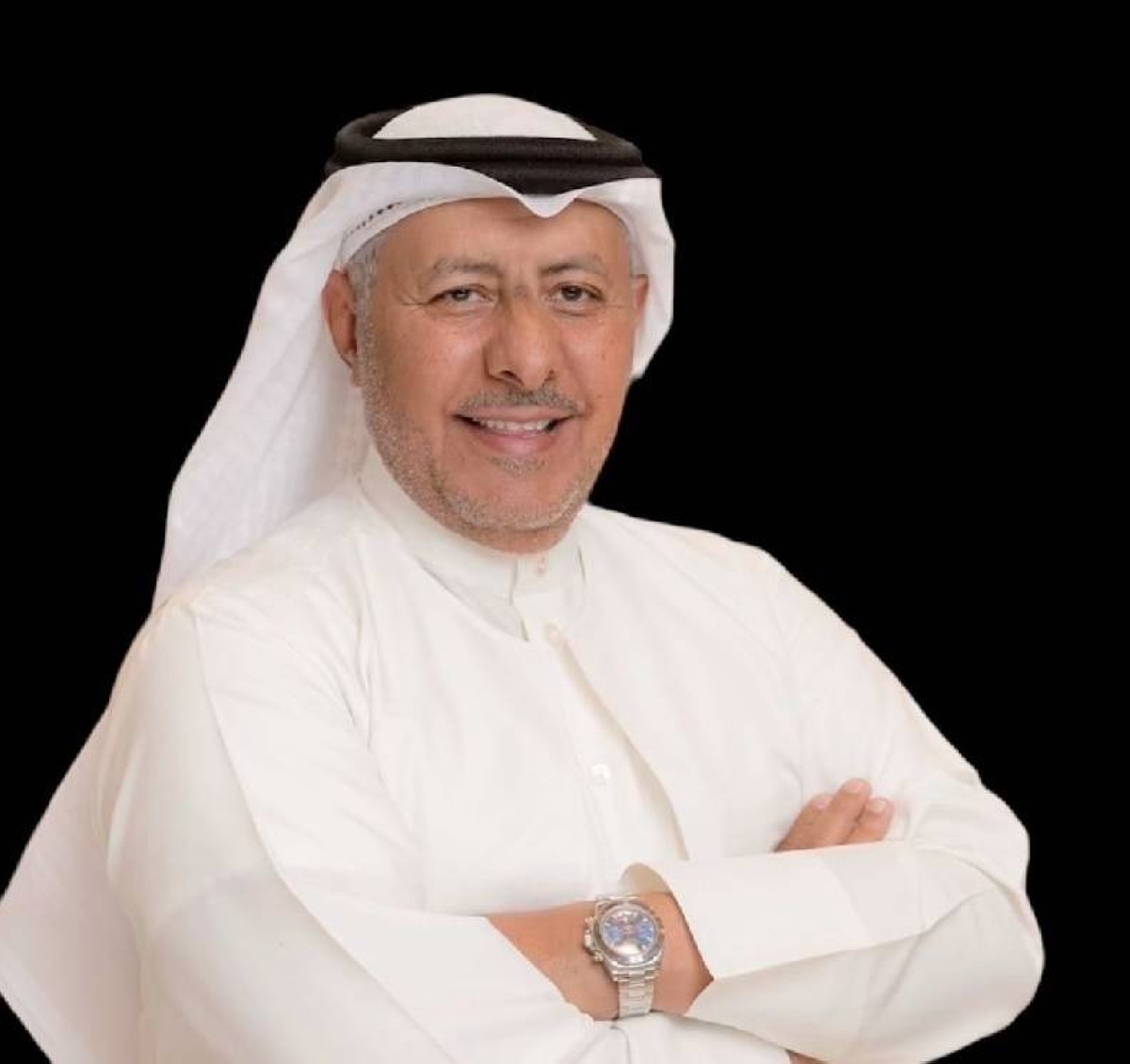
في قرية العباس بمنطقة الباحة وُلد عبدالله بن محمد حجر ليكبر حاملاً في قلبه وصية جده «إذا حضرت فانفع»، فكانت نبراسًا يضيء دربه منذ الطفولة وحتى ما بعد التقاعد. رجلٌ اختار أن يجعل من وجوده على هذه الأرض الطاهرة قصة ملهمة في الوفاء والمسؤولية، فامتدت خطواته من أرامكو إلى ميدان العمل الاجتماعي والتنموي دون أن تتوقف.
ومنذ نعومة أظفاره، تشكّلت شخصيته على يد والده الذي آمن أن التربية لا تصاغ بالكلمات فقط بل بالمواقف والدروس الحياتية. ففي كل صيف لم يكن يسمح له بالبقاء في المنزل دون عمل بل كان والده -رحمه الله- يحرص على إشراكه في أي فرصة عمل متاحة سواء في المخبز العائلي أو المحال التجارية أو حتى في الزراعة ورعي الغنم في القرية. لم تكن تلك مجرد أعمال موسمية بل كانت دروسًا تربوية في المسؤولية والانضباط والاعتماد على النفس تركت أثرًا عميقًا في تكوين وعيه وملامح شخصيته وعلمته أن الإنسان يقاس بما يقدمه لا بما يملكه، وأن الكرامة تبدأ من بذل الجهد بإخلاص.
التحق عبدالله حجر بشركة أرامكو عام 1404هـ، وتدرج في مسيرته المهنية حتى أصبح رئيس نوبة، ثم مدربًا معتمدًا في مجالات الإنعاش القلبي، الإسعافات الأولية، والسلامة العامة. شارك في مؤتمرات دولية، ومثّل عمال المملكة في ندوات وفعاليات داخلية وخارجية، وكان من أوائل من جمعوا بين العمل المهني والعمل التطوعي باحترافية واقتدار.
لكنه لم يكتفِ بذلك، فخلال عمله شارك في عشرات المبادرات الخيرية، وقدم أكثر من 500 ورشة تدريبية استفاد منها نحو 10 آلاف شخص، مؤمنًا بأن نقل المعرفة عبادة لا تقل شرفًا عن أي عمل آخر. ومع تقدم السنوات، جاء قراره الصعب في عام 1439هـ بالتقاعد المبكر، لا بحثًا عن الراحة، بل للتفرغ لرعاية والدته، ولتكريس وقته للعمل التطوعي والخيري الذي ازداد تألقًا بعد التقاعد.
ترأس عبدالله مجلس الجمعيات الأهلية بمنطقة الباحة، وواصل انخراطه في عدد من الجمعيات الخيرية والزراعية ومنها جمعية البر بالباحة، وجمعية الزيتون، وكان رئيسًا لمجلس إدارة جمعية بني ظبيان الخيرية، ومشرفًا على برامج اجتماعية وصحية وتعليمية أثرت واقع المنطقة.
ولأن الشباب هم عماد المستقبل آمن عبدالله حجر بضرورة تمكينهم فساهم في إنشاء مقرات رياضية في قريته ودعم بطولات كرة القدم والطائرة وحرص على استثمار طاقاتهم في مبادرات ثقافية وتوعوية فكان وجوده بينهم ليس فقط كداعم بل كملهم وصديق وأخ كبير.
وتقديراً لهذا العطاء اللامحدود، كُرّم عبدالله حجر من عدد كبير من أمراء المناطق، ومسؤولي الدولة، والجهات المجتمعية المختلفة، إشادة بجهوده في خدمة الوطن والمجتمع، وتأكيدًا على أن بصمته تجاوزت حدود المكان لتصل إلى قلوب الناس ومساحات الوطن الواسعة.
عبدالله حجر هو النموذج الصادق لرجل لم يخذل وطنه ولم ينسَ الأرض التي نشأ عليها بل سعى ليترك فيها أثرًا لا يُمحى وغرسًا لا يذبل.
رجلٌ آمن أن التقاعد ليس نهاية الطريق بل لحظة بداية لأجمل فصول الحكاية.
In the village of Al-Abbas in the Al-Baha region, Abdullah bin Muhammad Hajar was born, carrying in his heart the advice of his grandfather: "When the time comes, be of service." This became a guiding light for him from childhood until after retirement. A man who chose to make his presence on this pure land an inspiring story of loyalty and responsibility, his steps extended from Aramco to the field of social and developmental work without pause.
From a young age, his personality was shaped by his father, who believed that education is not only formed through words but through situations and life lessons. Every summer, he was not allowed to stay at home without work; rather, his father—may God have mercy on him—was keen to involve him in any available work opportunity, whether at the family bakery, in commercial shops, or even in farming and herding sheep in the village. These were not just seasonal jobs but educational lessons in responsibility, discipline, and self-reliance that left a profound impact on his awareness and the features of his personality. He learned that a person is measured by what they offer, not by what they own, and that dignity begins with sincere effort.
Abdullah Hajar joined Aramco in 1404 AH and progressed in his career until he became a shift supervisor, then a certified trainer in the fields of cardiac resuscitation, first aid, and general safety. He participated in international conferences and represented the workers of the Kingdom in internal and external seminars and events. He was among the first to combine professional work with volunteer work with professionalism and competence.
However, he did not stop there. During his work, he participated in dozens of charitable initiatives and conducted over 500 training workshops that benefited around 10,000 people, believing that transferring knowledge is an act of worship that is no less honorable than any other work. As the years progressed, he made the difficult decision in 1439 AH to retire early, not in search of comfort, but to dedicate himself to caring for his mother and to devote his time to volunteer and charitable work, which shone even brighter after retirement.
Abdullah chaired the Council of Charitable Societies in the Al-Baha region and continued to engage in several charitable and agricultural societies, including the Al-Baha Charitable Society and the Olive Association. He was the chairman of the board of the Bani Dhubyan Charitable Society and supervised social, health, and educational programs that positively impacted the region.
Believing that youth are the backbone of the future, Abdullah Hajar was committed to empowering them. He contributed to the establishment of sports facilities in his village and supported football and volleyball tournaments, ensuring to invest their energies in cultural and awareness initiatives. His presence among them was not just as a supporter but as a mentor, friend, and older brother.
In recognition of this limitless giving, Abdullah Hajar was honored by numerous regional princes, state officials, and various community organizations, commending his efforts in serving the nation and society, and affirming that his impact transcended geographical boundaries to reach the hearts of people and the vast spaces of the homeland.
Abdullah Hajar is the true model of a man who did not fail his country and did not forget the land on which he grew up, but rather sought to leave an indelible mark and a planting that does not wither.
A man who believed that retirement is not the end of the road but a moment of beginning for the most beautiful chapters of the story.