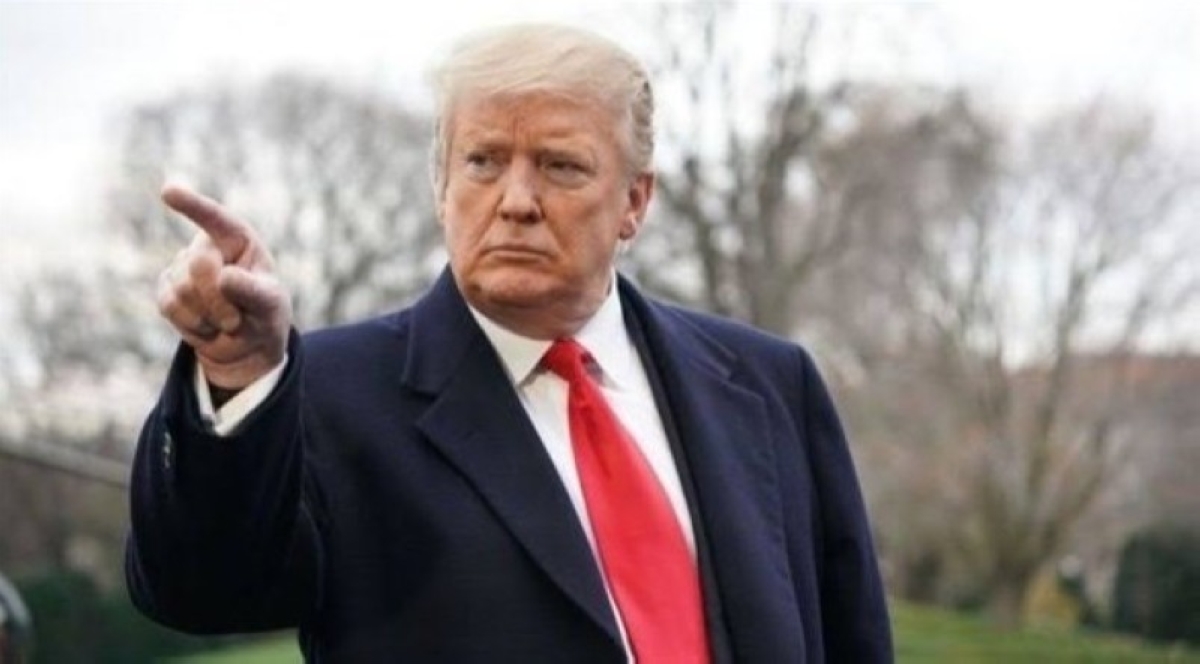
أكدت الأمم المتحدة اليوم رفضها القاطع لأي شكل من أشكال التجارب النووية، مؤكدة أنها «غير مسموح بها بتاتاً» بموجب المعاهدات الدولية، وذلك رداً مباشراً على إعلان الرئيس الأمريكي دونالد ترمب أوامره لوزارة الحرب (التي أعاد تسميتها سابقاً وزارة الدفاع) بالبدء الفوري في اختبار الأسلحة النووية.
وفي منشور على منصة «تروث سوشيال» أعلن الرئيس ترمب: «بسبب برامج التجارب لدول أخرى، أمرت وزارة الحرب بالبدء فوراً في اختبار أسلحتنا النووية على قدم المساواة»، وذلك قبل دقائق قليلة من لقائه مع الرئيس الصيني شي جين بينغ في بوسان، كوريا الجنوبية.
وجاء إعلان الرئيس الأمريكي في سياق تصعيد نووي متسارع، مع تزايد التوترات بين الولايات المتحدة ومنافسيها النوويين، روسيا والصين، وسط مخاوف من عودة سباق تسلح يهدد الاستقرار العالمي.
وتعود جذور الرفض الدولي للتجارب النووية إلى عقود من الجهود الدبلوماسية للحد من انتشار الأسلحة النووية، وفي عام 1963، وقعت معاهدة حظر التجارب النووية في الجو والفضاء وتحت الماء، التي وقعتها الولايات المتحدة والاتحاد السوفييتي وبريطانيا، لمنع التجارب الجوية التي تسبب تلوثاً إشعاعياً واسع النطاق.
نظام مراقبة عالمي يشمل 337 محطة
ثم جاءت معاهدة عدم انتشار الأسلحة النووية في 1968، التي وقعتها 191 دولة، وتهدف إلى منع انتشار التكنولوجيا النووية العسكرية، مع التركيز على الاستخدام السلمي للطاقة النووية.
أما الإنجاز الأبرز فكان في 1996، عندما اعتمدت الجمعية العامة للأمم المتحدة معاهدة حظر شامل للتجارب النووية، التي تحظر تماماً أي تجربة نووية انفجارية، سواء تحت الأرض أو في أي بيئة أخرى، وقد وقعت الولايات المتحدة المعاهدة، لكنها لم تصدق عليها حتى اليوم، رغم التزامها الطوعي بتعليق التجارب منذ 1992.
اليوم، تشرف المنظمة التحضيرية لمعاهدة الحظر الشامل على نظام مراقبة عالمي يشمل 337 محطة استشعار للكشف عن أي نشاط نووي، ما يجعل أي تجربة سرية شبه مستحيلة. ووفقاً لتقارير الأمم المتحدة، أدى هذا الحظر إلى تقليل عدد التجارب النووية من آلاف الاختبارات في القرن العشرين إلى حفنة محدودة، معظمها من كوريا الشمالية في السنوات الأخيرة.
ومع ذلك، يظل العالم يحتفظ بترسانات هائلة: روسيا تمتلك أكثر من 5,500 رأس نووي، تليها الولايات المتحدة بـ5,200، بينما تضاعفت ترسانة الصين إلى 600 رأس نووي في السنوات الخمس الماضية، ومن المتوقع أن تصل إلى 1,000 بحلول 2030، وفقاً لتقديرات معهد ستوكهولم لأبحاث السلام الدولي.
وتثير هذه الأرقام مخاوف من سباق تسلح جديد، خصوصاً مع التقدم في الأسلحة النووية عالية الدقة مثل الصواريخ الفرط صوتية والغواصات النووية.
The United Nations today reaffirmed its firm rejection of any form of nuclear testing, stating that it is "absolutely prohibited" under international treaties, in direct response to U.S. President Donald Trump's announcement of orders to the Department of War (which he previously renamed the Department of Defense) to immediately begin testing nuclear weapons.
In a post on the "Truth Social" platform, President Trump announced: "Due to the testing programs of other countries, I have ordered the Department of War to immediately begin testing our nuclear weapons on par," just minutes before his meeting with Chinese President Xi Jinping in Busan, South Korea.
The U.S. President's announcement came amid escalating nuclear tensions, with rising strains between the United States and its nuclear competitors, Russia and China, amid fears of a return to an arms race that threatens global stability.
The roots of international rejection of nuclear testing trace back to decades of diplomatic efforts to curb the proliferation of nuclear weapons. In 1963, the Partial Test Ban Treaty was signed, prohibiting nuclear tests in the atmosphere, outer space, and underwater, signed by the United States, the Soviet Union, and Britain, to prevent atmospheric tests that cause widespread radioactive contamination.
A Global Monitoring System Including 337 Stations
This was followed by the Treaty on the Non-Proliferation of Nuclear Weapons in 1968, signed by 191 countries, aimed at preventing the spread of military nuclear technology, focusing on the peaceful use of nuclear energy.
The most notable achievement came in 1996 when the United Nations General Assembly adopted the Comprehensive Nuclear-Test-Ban Treaty, which completely prohibits any nuclear explosive testing, whether underground or in any other environment. The United States signed the treaty but has not ratified it to this day, despite its voluntary commitment to suspend testing since 1992.
Today, the Preparatory Commission for the Comprehensive Nuclear-Test-Ban Treaty oversees a global monitoring system that includes 337 detection stations to identify any nuclear activity, making any secret testing nearly impossible. According to United Nations reports, this ban has reduced the number of nuclear tests from thousands in the 20th century to a limited handful, most of which have been conducted by North Korea in recent years.
However, the world still retains vast arsenals: Russia possesses over 5,500 nuclear warheads, followed by the United States with 5,200, while China's arsenal has doubled to 600 nuclear warheads in the past five years and is expected to reach 1,000 by 2030, according to estimates from the Stockholm International Peace Research Institute.
These figures raise concerns about a new arms race, especially with advancements in high-precision nuclear weapons such as hypersonic missiles and nuclear submarines.