


طالبت الرئاسة الروسية بإدراج ترسانتي بريطانيا وفرنسا في المحادثات الجارية بشأن الحد من الأسلحة النووية الإستراتيجية بين روسيا والولايات المتحدة، بحسب ما نقل عن المتحدث باسم الكرملين ديميتري بيسكوف، اليوم (الإثنين).
ونقلت وكالة «تاس» الروسية للأنباء عن بيسكوف قوله: «بطبيعة الحال، علينا أن نبدأ المحادثات على المستوى الثنائي. نيو ستارت هي في النهاية وثيقة ثنائية».
وأضاف: «ولكن على المدى الطويل، لا يمكن أن تبقى بعيداً عن هذه الترسانات. والأكثر من ذلك هو أن هذه الترسانات هي جزء من المشكلة الأوسع للأمن الأوروبي العالمي والاستقرار الإستراتيجي».
وكان الكرملين اقترح على الولايات المتحدة، هذا الشهر، الإبقاء طواعية لمدة عام على القيود المفروضة على الأسلحة النووية الإستراتيجية المنشورة المنصوص عليها في معاهدة «نيو ستارت» المبرمة بينهما للحد من الأسلحة، بعد انتهاء أجلها العام القادم.
ووصفت المتحدثة باسم البيت الأبيض كارولين ليفيت، مقترح الرئيس الروسي فلاديمير بوتين بأنه «جيد للغاية» لكن المسألة متروكة للرئيس دونالد ترمب الذي يطالب بإطلاق محادثات لنزع السلاح النووي مع روسيا والصين.
محادثات أوسع
يذكر أنه في العام 2023، علق الرئيس الروسي مشاركة بلاده في معاهدة «نيو ستارت»، لكن موسكو قالت إنها ستواصل الالتزام بالقيود المفروضة على الرؤوس الحربية.
وقدم الرئيس الروسي هذا الشهر، عرضاً للإبقاء على قيود المعاهدة، في الوقت الذي تحاول فيه أوكرانيا إقناع ترمب بفرض عقوبات أشد على روسيا، بسبب الغزو الذي أطلقته في فبراير 2022.
وتمتلك روسيا والولايات المتحدة أكبر ترسانتين نوويتين في العالم وبفارق كبير عن غيرهما. وتحدد معاهدة «نيو ستارت» عدد الرؤوس النووية الإستراتيجية المنشورة عند 1550 رأساً، وحددت وسائل إطلاقها، بما فيها الصواريخ والغواصات والطائرات القاذفة، عند 700 لكل جانب. فيما تمتلك فرنسا وبريطانيا ترسانات أصغر بكثير، ويراوح عدد الرؤوس الحربية لدى كل منهما بين 250 و300 رأس.
معاهدة «نيو ستارت»
وتحد معاهدة «نيو ستارت» من عدد الأسلحة النووية التي يمتلكها الجانبين الروسي والأمريكي، إذ تحدد عدد الرؤوس النووية الإستراتيجية والصواريخ والقاذفات البرية والغواصات التي يمكن للولايات المتحدة وروسيا نشرها.
وتنص المعاهدة على إبقاء ترسانتي البلدين دون ما كانتا عليه إبان الحرب الباردة (1947-1991)، بحيث لا يتجاوز عدد القاذفات النووية الإستراتيجية 700، وعدد الرؤوس النووية 1550.
لكن الولايات المتحدة وروسيا، تحتفظان مجتمعتين بما يزيد على 90% من الأسلحة النووية في العالم، بحسب معهد ستوكهولم الدولي لأبحاث السلام.
وفي أبريل من العام 2010، وقّعت واشنطن وموسكو على معاهدة خفض الأسلحة الإستراتيجية الجديدة «نيو ستارت» في العاصمة التشيكية براغ، ودخلت المعاهدة حيّز التنفيذ في 5 فبراير 2011.
وحلّت المعاهدة محل معاهدة «ستارت1» المبرمة عام 1991، والتي انتهت في ديسمبر 2009، كما حلّت محل معاهدة التخفيضات الهجومية الإستراتيجية لعام 2002 (SORT)، التي انتهت عندما دخلت «نيو ستارت» حيز التنفيذ.
روسيا: ضم بريطانيا وفرنسا إلى مفاوضات نزع «النووي» مع واشنطن
29 سبتمبر 2025 - 14:31
|
آخر تحديث 29 سبتمبر 2025 - 14:31
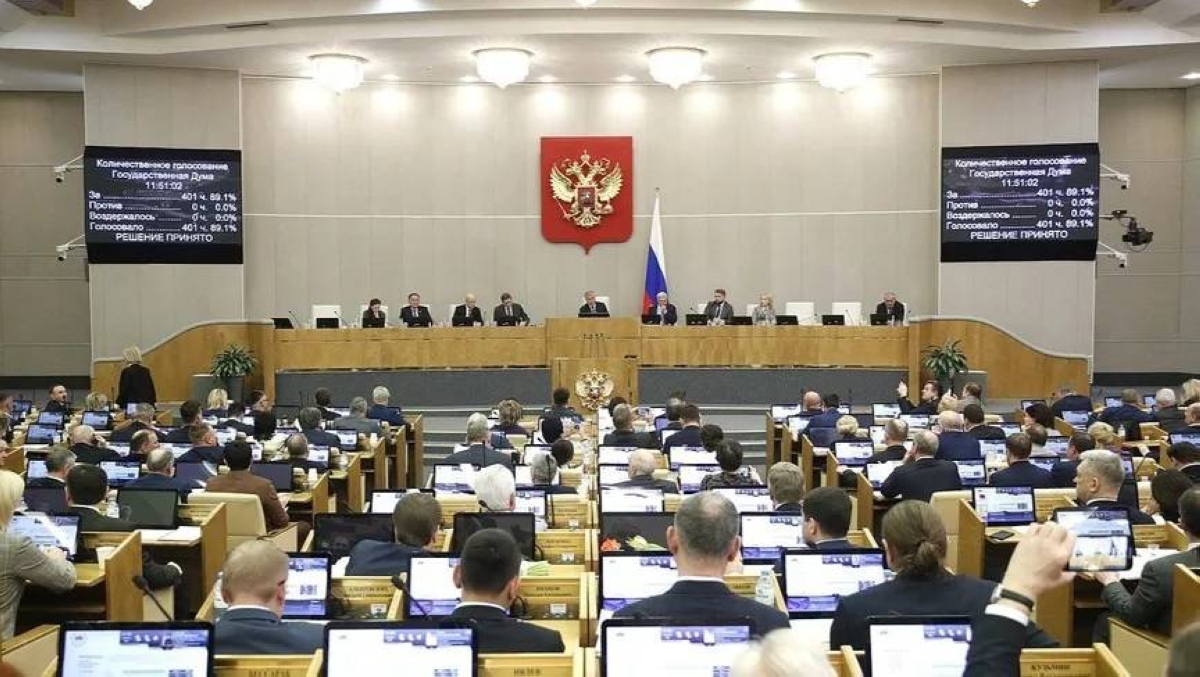
«النواب الروسي» يصوت على مشاركة موسكو في معاهدة «نيو ستارت».


تابع قناة عكاظ على الواتساب
«عكاظ» (موسكو، جدة) okaz_online@
The Russian presidency has called for the inclusion of the arsenals of Britain and France in the ongoing discussions regarding the reduction of strategic nuclear weapons between Russia and the United States, according to Kremlin spokesman Dmitry Peskov, today (Monday).
Russian news agency TASS quoted Peskov as saying: "Of course, we need to start talks at the bilateral level. New START is ultimately a bilateral document."
He added: "But in the long term, these arsenals cannot remain excluded from these discussions. Moreover, these arsenals are part of the broader problem of global European security and strategic stability."
The Kremlin proposed to the United States this month to voluntarily maintain the restrictions on deployed strategic nuclear weapons stipulated in the New START treaty for another year after its expiration next year.
White House spokesperson Caroline Levitt described Russian President Vladimir Putin's proposal as "very good," but the matter is left to President Donald Trump, who is calling for the initiation of nuclear disarmament talks with Russia and China.
Wider Talks
It is worth noting that in 2023, the Russian president suspended his country's participation in the New START treaty, but Moscow stated that it would continue to adhere to the restrictions on warheads.
This month, the Russian president offered to maintain the treaty's restrictions while Ukraine is trying to persuade Trump to impose harsher sanctions on Russia due to the invasion that began in February 2022.
Russia and the United States possess the largest nuclear arsenals in the world, significantly outpacing others. The New START treaty limits the number of deployed strategic nuclear warheads to 1,550 and sets the means of delivery, including missiles, submarines, and bombers, at 700 for each side. Meanwhile, France and Britain have much smaller arsenals, with each having between 250 and 300 warheads.
New START Treaty
The New START treaty limits the number of nuclear weapons held by both Russia and the United States, specifying the number of strategic nuclear warheads, missiles, and bombers that the U.S. and Russia can deploy.
The treaty stipulates that the arsenals of both countries remain below what they were during the Cold War (1947-1991), with the number of strategic nuclear bombers not exceeding 700 and the number of nuclear warheads limited to 1,550.
However, the United States and Russia together hold over 90% of the world's nuclear weapons, according to the Stockholm International Peace Research Institute.
In April 2010, Washington and Moscow signed the new Strategic Arms Reduction Treaty, New START, in the Czech capital of Prague, and the treaty entered into force on February 5, 2011.
The treaty replaced the START I treaty signed in 1991, which expired in December 2009, as well as the Strategic Offensive Reductions Treaty of 2002 (SORT), which ended when New START came into effect.
Russian news agency TASS quoted Peskov as saying: "Of course, we need to start talks at the bilateral level. New START is ultimately a bilateral document."
He added: "But in the long term, these arsenals cannot remain excluded from these discussions. Moreover, these arsenals are part of the broader problem of global European security and strategic stability."
The Kremlin proposed to the United States this month to voluntarily maintain the restrictions on deployed strategic nuclear weapons stipulated in the New START treaty for another year after its expiration next year.
White House spokesperson Caroline Levitt described Russian President Vladimir Putin's proposal as "very good," but the matter is left to President Donald Trump, who is calling for the initiation of nuclear disarmament talks with Russia and China.
Wider Talks
It is worth noting that in 2023, the Russian president suspended his country's participation in the New START treaty, but Moscow stated that it would continue to adhere to the restrictions on warheads.
This month, the Russian president offered to maintain the treaty's restrictions while Ukraine is trying to persuade Trump to impose harsher sanctions on Russia due to the invasion that began in February 2022.
Russia and the United States possess the largest nuclear arsenals in the world, significantly outpacing others. The New START treaty limits the number of deployed strategic nuclear warheads to 1,550 and sets the means of delivery, including missiles, submarines, and bombers, at 700 for each side. Meanwhile, France and Britain have much smaller arsenals, with each having between 250 and 300 warheads.
New START Treaty
The New START treaty limits the number of nuclear weapons held by both Russia and the United States, specifying the number of strategic nuclear warheads, missiles, and bombers that the U.S. and Russia can deploy.
The treaty stipulates that the arsenals of both countries remain below what they were during the Cold War (1947-1991), with the number of strategic nuclear bombers not exceeding 700 and the number of nuclear warheads limited to 1,550.
However, the United States and Russia together hold over 90% of the world's nuclear weapons, according to the Stockholm International Peace Research Institute.
In April 2010, Washington and Moscow signed the new Strategic Arms Reduction Treaty, New START, in the Czech capital of Prague, and the treaty entered into force on February 5, 2011.
The treaty replaced the START I treaty signed in 1991, which expired in December 2009, as well as the Strategic Offensive Reductions Treaty of 2002 (SORT), which ended when New START came into effect.


