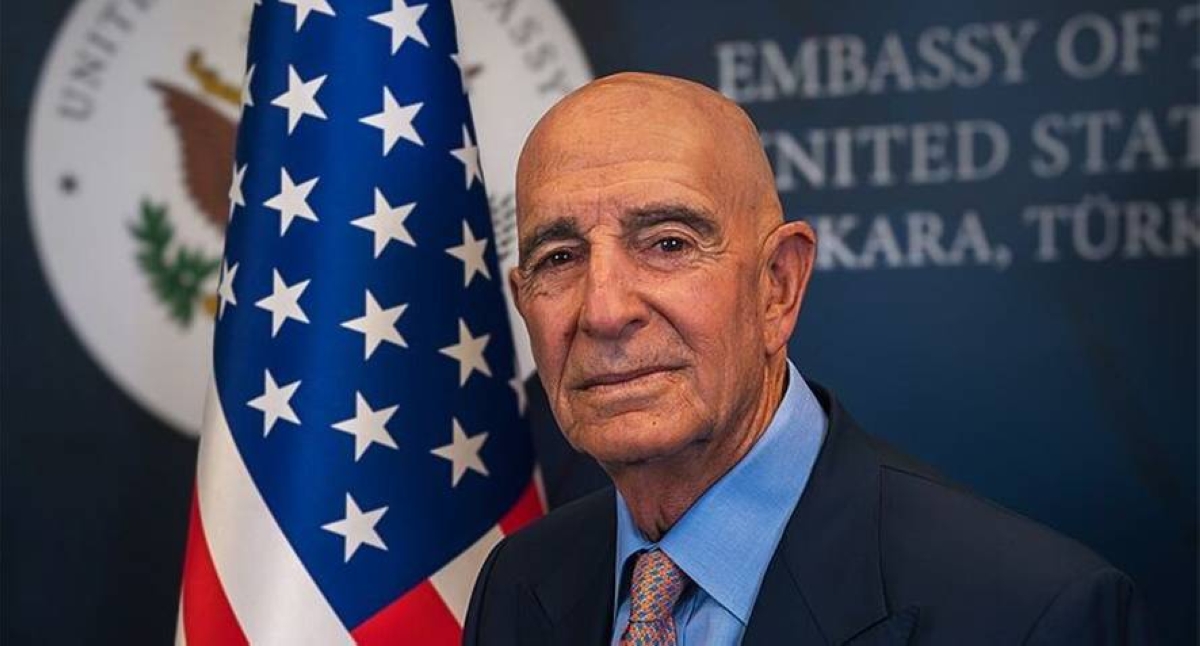
أقدم رجل الأعمال الأمريكي من أصل لبناني، الدكتور بنجامين بالوت، رئيس مجلس إدارة شركة «ديبلوماتيك تريد»، على رفع دعوى قضائية أمام محكمة في ولاية ميشيغان ضد المبعوث الأمريكي الخاص إلى لبنان، توماس باراك، متهمًا إياه بانتهاك حرية الصحافة والإساءة إلى الكرامة الوطنية اللبنانية.
وتعود خلفية الدعوى إلى تصريحات أدلى بها باراك خلال مؤتمر صحفي في بيروت، وصف فيها الصحفيين اللبنانيين بأنهم «حيوانات» وطالبهم بـ«التحضر»، ما أثار موجة غضب واسعة في لبنان، واعتُبر إهانة مباشرة للشعب اللبناني.
وقال بالوت في بيان: «عندما يصف سفير أمريكي الصحفيين اللبنانيين بالحيوانات ويتوقع منهم الصمت، فهو لا يهين أفرادًا فحسب، بل يحط من قدر أمة بأكملها». وأكد أن هدف الدعوى ليس التعويض المادي، بل المطالبة باعتذار علني والتزام باحترام الشعب اللبناني وحرية الصحافة.
وبحسب الدعوى، يستند بالوت إلى اتفاقية فيينا للعلاقات الدبلوماسية التي تلزم المبعوثين باحترام الدول المضيفة، إضافة إلى قوانين الخدمة الخارجية الأمريكية ومبادئ دستورية تتعلق بحرية التعبير. كما اعتبر أن تصريحات باراك تمثل «خطابًا استعماريًا» يقوض دور الولايات المتحدة كوسيط في المفاوضات بين إسرائيل وحزب الله.
في موازاة ذلك، قدّم بالوت شكاوى إلى مجلس حقوق الإنسان التابع للأمم المتحدة في جنيف، وإلى مكتب المفتش العام في وزارة الخارجية الأمريكية، فضلًا عن لجان الرقابة في الكونغرس.
وكانت نقابة الصحافة اللبنانية قد دعت إلى مقاطعة فعاليات باراك حتى يقدّم اعتذارًا رسميًا، واصفة تصريحاته بأنها «تعكس عجرفة استعمارية» و«ازدراءً للمهمة الصحفية»، فيما أعربت رئاسة الجمهورية اللبنانية عن «أسفها العميق» للتصريحات.
وقدم باراك في 29 أغسطس اعتذارًا جزئيًا، قال فيه إن كلمته لم تُقصد بها الإهانة، بل الدعوة إلى التهدئة، لكنه أقر بأن استخدامها كان «غير مناسب». ومع ذلك، اعتبرت نقابات الصحافة اللبنانية أن الاعتذار غير كافٍ.
The American businessman of Lebanese descent, Dr. Benjamin Balout, Chairman of the Board of Directors of "Diplomatic Trade," has filed a lawsuit in a court in Michigan against the U.S. Special Envoy to Lebanon, Thomas Barrack, accusing him of violating press freedom and insulting Lebanese national dignity.
The background of the lawsuit stems from statements made by Barrack during a press conference in Beirut, where he described Lebanese journalists as "animals" and demanded that they "be civilized," which sparked widespread outrage in Lebanon and was considered a direct insult to the Lebanese people.
Balout stated in a statement: "When an American ambassador describes Lebanese journalists as animals and expects them to remain silent, he is not only insulting individuals but also degrading an entire nation." He emphasized that the goal of the lawsuit is not financial compensation, but rather to demand a public apology and a commitment to respect the Lebanese people and press freedom.
According to the lawsuit, Balout relies on the Vienna Convention on Diplomatic Relations, which obliges envoys to respect host countries, in addition to U.S. foreign service laws and constitutional principles related to freedom of expression. He also considered Barrack's statements to represent "colonial discourse" that undermines the role of the United States as a mediator in negotiations between Israel and Hezbollah.
In parallel, Balout has submitted complaints to the United Nations Human Rights Council in Geneva, to the Office of the Inspector General at the U.S. Department of State, as well as to congressional oversight committees.
The Lebanese Press Syndicate had called for a boycott of Barrack's events until he issues a formal apology, describing his statements as reflecting "colonial arrogance" and "contempt for the journalistic mission," while the Lebanese presidency expressed its "deep regret" over the remarks.
On August 29, Barrack issued a partial apology, stating that his words were not intended to be insulting but rather a call for calm; however, he acknowledged that their use was "inappropriate." Nevertheless, the Lebanese press unions considered the apology insufficient.