


توقع السيناتور الجمهوري ليندسي جراهام أن تضطر روسيا وأوكرانيا إلى تبادل بعض الأراضي لإنهاء الحرب، إلا أنه شدد على أن ذلك لن يحدث من دون «ضمانات أمنية».
وقال العضو البارز في مجلس الشيوخ عن ولاية ساوث كارولاينا في مقابلة مع برنامج Meet the Press على شبكة NBC News أمس (الأحد): «أريد أن أكون صريحاً معكم، أوكرانيا لن تطرد كل الروس، وروسيا لن تصل إلى كييف، وبالتالي سيكون هناك تبادل لبعض الأراضي في النهاية».
وسبق أن رفضت كييف هذا الطرح، وأكد الرئيس الأوكراني فولوديمير زيلينسكي أن بلاده «لن تمنح أرضها للمحتلين». وكان الرئيس ترمب قال إنه «سيكون هناك تبادل لبعض الأراضي بما يعود بالنفع على الجانبين».
وأكد جراهام أن أي تبادل للأراضي لن يحدث إلا «بعد حصول أوكرانيا على ضمانات أمنية تحول دون تكرار روسيا لذلك مرة أخرى». وأضاف: «يجب أن نخبر بوتين بما سيحدث إذا فعل ذلك للمرة الثالثة». وسُئل عما إذا كان من الصواب أن يعقد ترمب قمة مع الرئيس الروسي فلاديمير بوتين في ولاية ألاسكا، سعياً للتوسط في اتفاق وقف إطلاق النار، فأجاب بأنه «لا يرى مشكلة في ذلك الاجتماع»، معرباً عن أمله أن يشارك زيلينسكي في اللقاء.
وقال: «لا يمكن إنهاء الحرب من دون حوار، وآمل أن يكون زيلينسكي جزءاً من العملية، وسأترك هذا الأمر للبيت الأبيض».
وأعلنت «NBC News» في وقت سابق أن البيت الأبيض يدرس دعوة زيلينسكي إلى الاجتماع. وقال السفير الأمريكي لدى حلف شمال الأطلسي ماثيو ويتيكر: «أعتقد بالتأكيد أن ذلك ممكن». وأضاف: «لا يمكن أن يكون هناك اتفاق لا يوافق عليه جميع الأطراف المعنية»، مؤكداً أنه «لن تُمنح أي أجزاء أو مناطق كبيرة لم تُنتزع أو تُكسب في ميدان القتال».
وأعلنت سفيرة أوكرانيا لدى الولايات المتحدة وكسانا ماركاروفا أن زيلينسكي سيكون مستعداً للسفر إلى ألاسكا. وأضافت: «لقد أثبتنا أنه مستعد للتواجد في أي مكان من أجل دفع أجندة السلام. وإذا اقتضت الحاجة، فسيكون حاضراً في الاجتماعات».
ورفضت ماركاروفا فكرة «المناطق العازلة»، ووصفتها بأنها «فكرة قديمة»، مشيرة إلى أن خطوط المواجهة في الحرب تمثل «الخط الفاصل بين الخير والشر».
بدوره، رأى الأمين العام لحلف «الناتو» مارك روته، في مقابلة مع شبكة ABC، أن أوكرانيا يجب أن تكون طرفاً في أي خطوات لإنهاء الحرب. وأعرب عن أمله أن يكون لقاء الجمعة خطوة مهمة في هذا المسار، مضيفاً: «نحن بحاجة إلى أوكرانيا على طاولة المفاوضات، المسألة ستتعلق بالأراضي، وبالطبع بضمانات أمنية، ولكن أيضاً بضرورة الإقرار بأن أوكرانيا هي التي تحدد مستقبلها بنفسها».
وأكد روته أنه لا ينبغي تقييد حجم القوات الأوكرانية أو وجود قوات «الناتو» على «الجبهة الشرقية» في دول مثل لاتفيا وإستونيا وفنلندا.
سيناتور أمريكي يؤكد أن ذلك لن يحدث من دون ضمانات
هل تضطر روسيا وأوكرانيا إلى تبادل الأراضي لوقف الحرب؟
11 أغسطس 2025 - 15:45
|
آخر تحديث 11 أغسطس 2025 - 15:45
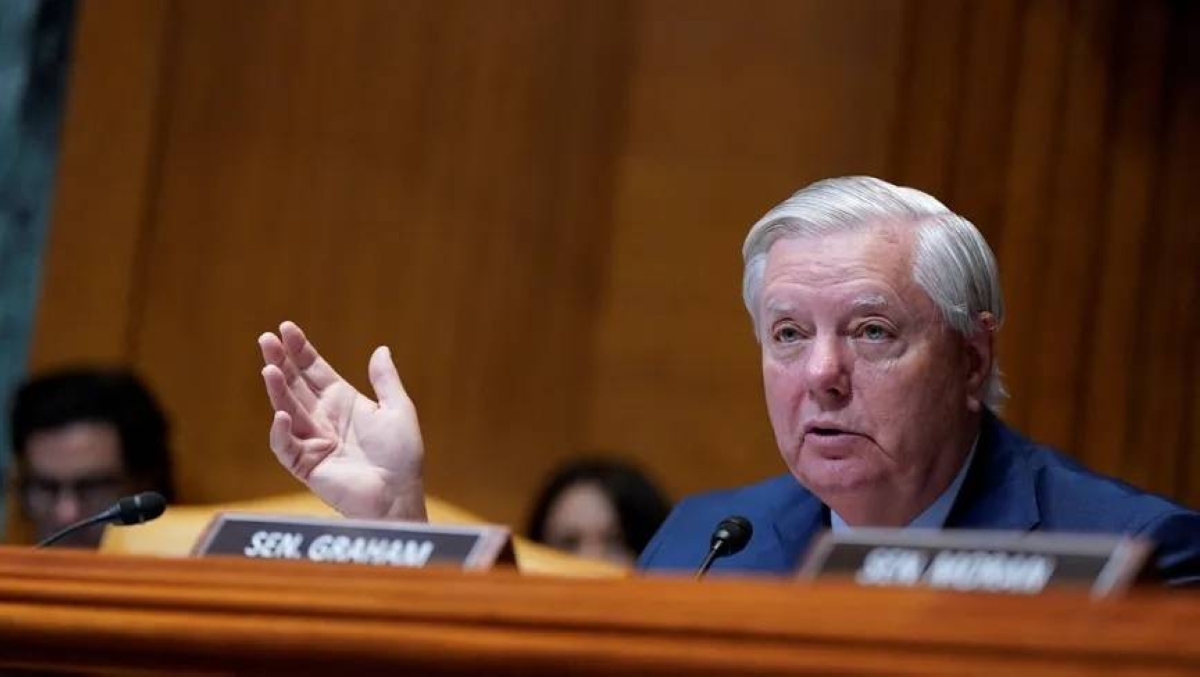
ليندسي جراهام.


تابع قناة عكاظ على الواتساب
«عكاظ» (واشنطن، جدة) okaz_online@
Senator Lindsey Graham, a Republican, predicted that Russia and Ukraine would have to exchange some territories to end the war, but he emphasized that this would not happen without "security guarantees."
In an interview with the Meet the Press program on NBC News yesterday (Sunday), the senior senator from South Carolina stated, "I want to be clear with you, Ukraine will not expel all the Russians, and Russia will not reach Kyiv, so there will be an exchange of some territories in the end."
Kyiv has previously rejected this proposal, and Ukrainian President Volodymyr Zelensky has confirmed that his country "will not give its land to the occupiers." Former President Trump stated that "there will be an exchange of some territories that benefits both sides."
Graham affirmed that any exchange of territories would only occur "after Ukraine receives security guarantees that prevent Russia from doing this again." He added, "We need to tell Putin what will happen if he does this for the third time." When asked if it was appropriate for Trump to hold a summit with Russian President Vladimir Putin in Alaska, seeking to mediate a ceasefire agreement, he replied that he "sees no problem with that meeting," expressing hope that Zelensky would participate in the meeting.
He said, "The war cannot be ended without dialogue, and I hope Zelensky will be part of the process, and I will leave that matter to the White House."
NBC News previously reported that the White House is considering inviting Zelensky to the meeting. U.S. Ambassador to NATO Matthew Whitaker stated, "I definitely think that is possible." He added, "There cannot be an agreement that is not approved by all parties involved," emphasizing that "no large parts or areas will be granted that have not been seized or earned on the battlefield."
Ukrainian Ambassador to the United States Oksana Markarova announced that Zelensky would be willing to travel to Alaska. She added, "We have proven that he is ready to be anywhere to push the peace agenda. If necessary, he will be present at the meetings."
Markarova rejected the idea of "buffer zones," describing it as "an outdated concept," pointing out that the front lines in the war represent "the dividing line between good and evil."
For his part, NATO Secretary General Mark Rutte, in an interview with ABC, stated that Ukraine must be a party to any steps to end the war. He expressed hope that Friday's meeting would be an important step in this direction, adding, "We need Ukraine at the negotiating table; the issue will be about territories, and of course about security guarantees, but also about the necessity of acknowledging that Ukraine is the one that determines its own future."
Rutte confirmed that the size of Ukrainian forces or the presence of NATO forces on the "eastern front" in countries like Latvia, Estonia, and Finland should not be restricted.
In an interview with the Meet the Press program on NBC News yesterday (Sunday), the senior senator from South Carolina stated, "I want to be clear with you, Ukraine will not expel all the Russians, and Russia will not reach Kyiv, so there will be an exchange of some territories in the end."
Kyiv has previously rejected this proposal, and Ukrainian President Volodymyr Zelensky has confirmed that his country "will not give its land to the occupiers." Former President Trump stated that "there will be an exchange of some territories that benefits both sides."
Graham affirmed that any exchange of territories would only occur "after Ukraine receives security guarantees that prevent Russia from doing this again." He added, "We need to tell Putin what will happen if he does this for the third time." When asked if it was appropriate for Trump to hold a summit with Russian President Vladimir Putin in Alaska, seeking to mediate a ceasefire agreement, he replied that he "sees no problem with that meeting," expressing hope that Zelensky would participate in the meeting.
He said, "The war cannot be ended without dialogue, and I hope Zelensky will be part of the process, and I will leave that matter to the White House."
NBC News previously reported that the White House is considering inviting Zelensky to the meeting. U.S. Ambassador to NATO Matthew Whitaker stated, "I definitely think that is possible." He added, "There cannot be an agreement that is not approved by all parties involved," emphasizing that "no large parts or areas will be granted that have not been seized or earned on the battlefield."
Ukrainian Ambassador to the United States Oksana Markarova announced that Zelensky would be willing to travel to Alaska. She added, "We have proven that he is ready to be anywhere to push the peace agenda. If necessary, he will be present at the meetings."
Markarova rejected the idea of "buffer zones," describing it as "an outdated concept," pointing out that the front lines in the war represent "the dividing line between good and evil."
For his part, NATO Secretary General Mark Rutte, in an interview with ABC, stated that Ukraine must be a party to any steps to end the war. He expressed hope that Friday's meeting would be an important step in this direction, adding, "We need Ukraine at the negotiating table; the issue will be about territories, and of course about security guarantees, but also about the necessity of acknowledging that Ukraine is the one that determines its own future."
Rutte confirmed that the size of Ukrainian forces or the presence of NATO forces on the "eastern front" in countries like Latvia, Estonia, and Finland should not be restricted.


