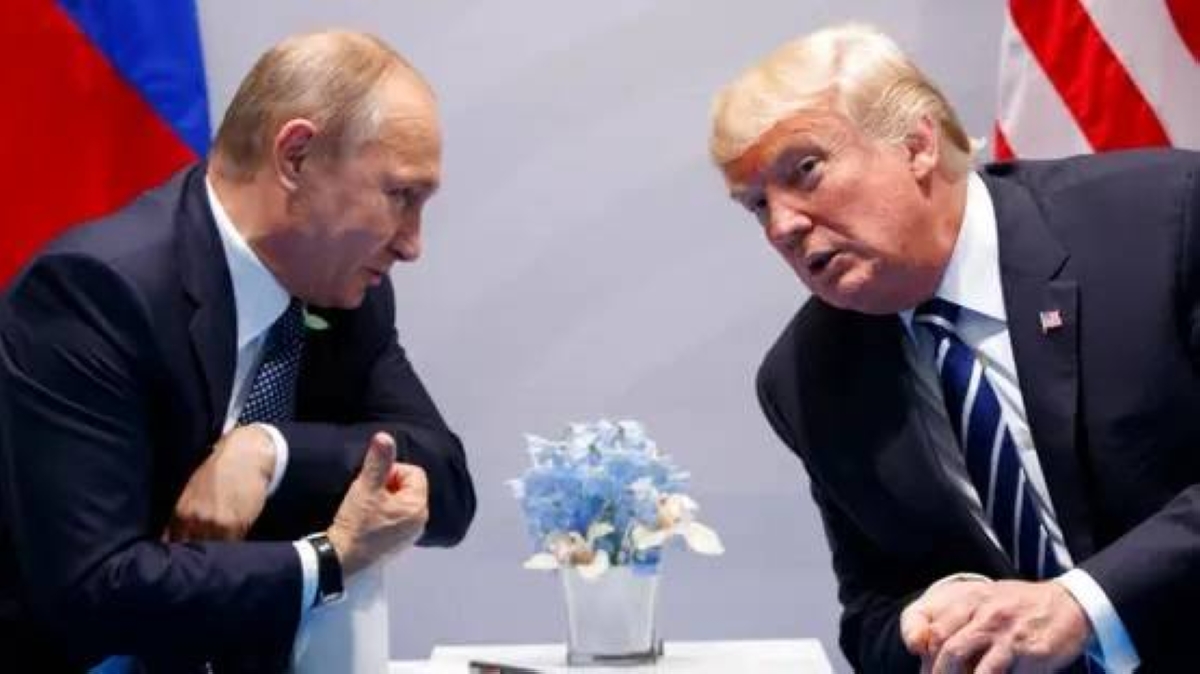
تتجه أنظار العالم إلى ولاية ألاسكا الأمريكية، حيث يلتقي الرئيس الأمريكي دونالد ترمب ونظيره الروسي فلاديمير بوتين الجمعة القادم، في محاولة لوضع حد للحرب الأوكرانية المستمرة منذ أكثر من ثلاث سنوات. ورغم الترحيب الأوروبي المبدئي بالمبادرة، شددت دول شمال أوروبا والبلطيق على أن أي مفاوضات لا بد أن تجرى بمشاركة أوكرانيا، وألا تُتخذ قرارات مصيرية بشأنها من دون حضورها، مؤكدين ضرورة وقف إطلاق النار كشرط أساسي قبل بدء المحادثات.
في كييف، رحب الرئيس الأوكراني فولوديمير زيلينسكي بالجهود الدبلوماسية، لكنه حذر من أي اتفاق يتم التوصل إليه من دون مشاركة بلاده، مجدداً رفضه القاطع للتنازل عن أي جزء من الأراضي التي تحتلها روسيا. تصريحات ترمب الأخيرة بشأن احتمال تقديم تنازلات أوكرانية أثارت صدمة في الأوساط الأوكرانية والأوروبية، وسط مخاوف من أن تتحول القمة إلى صفقة ثنائية بين واشنطن وموسكو تتجاهل مصالح كييف وحلفائها.
من جانبها، أكدت بروكسل أن أمن أوكرانيا جزء لا يتجزأ من أمن أوروبا، محذرة من مكافأة موسكو على «عدوانها» أو تخفيف العقوبات المفروضة عليها دون التزام واضح بإنهاء الحرب. وفي الوقت الذي يسعى فيه ترمب لإبراز نفسه كـ«صانع سلام»، يرى مراقبون أن بوتين ماضٍ في أهدافه الإستراتيجية، وأن القمة قد تؤدي إلى تهدئة محدودة على الأرض، لكنها بعيدة عن تحقيق سلام شامل ما لم تُراعِ المطالب الأوكرانية والأوروبية.
The world's attention is turning to the U.S. state of Alaska, where U.S. President Donald Trump will meet with Russian President Vladimir Putin next Friday, in an attempt to put an end to the ongoing Ukrainian war that has lasted for more than three years. Despite the initial European welcome of the initiative, Northern European and Baltic countries emphasized that any negotiations must include Ukraine, and that no fateful decisions should be made without its presence, stressing the necessity of a ceasefire as a fundamental condition before starting talks.
In Kyiv, Ukrainian President Volodymyr Zelensky welcomed the diplomatic efforts but warned against any agreement reached without his country's participation, reiterating his firm rejection of conceding any part of the territories occupied by Russia. Trump's recent statements regarding the possibility of Ukrainian concessions have shocked Ukrainian and European circles, amid fears that the summit could turn into a bilateral deal between Washington and Moscow that ignores the interests of Kyiv and its allies.
For its part, Brussels confirmed that Ukraine's security is an integral part of Europe's security, warning against rewarding Moscow for its "aggression" or easing the sanctions imposed on it without a clear commitment to ending the war. While Trump seeks to portray himself as a "peacemaker," observers believe that Putin is continuing with his strategic goals, and that the summit may lead to limited de-escalation on the ground, but is far from achieving comprehensive peace unless Ukrainian and European demands are taken into account.