


أعلن المتحدث باسم الخارجية الإيرانية إسماعيل بقائي، أن وفدا من الوكالة الدولية للطاقة الذرية التابعة للأمم المتحدة سيزور طهران في غضون أسبوعين.
وقال بقائي، اليوم(الإثنين): إنه سيتم تقديم دليل إرشادي بشأن مستقبل تعاون إيران مع الوكالة الدولية للطاقة الذرية، بناء على قانون برلماني صدر في الآونة الأخيرة يفرض قيودا على هذا التعاون.
وكان نائب وزير الخارجية الإيراني كاظم غريب آبادي، أفاد الأربعاء، بأن إيران وافقت على السماح لفريق فني من الوكالة الدولية للطاقة الذرية بزيارتها خلال الأسابيع القادمة لمناقشة آلية جديدة للعلاقات بين الطرفين. وأضاف لصحفيين خلال زيارة لنيويورك «سيأتي الوفد إلى إيران لمناقشة الآلية، وليس لزيارة المواقع النووية».
وصعدت طهران من موقفها بإعلانها مطلع يوليو الجاري وقف التعاون مع الوكالة الدولية للطاقة الذرية، في تحرك وصفه خبراء بأنه ينذر بمرحلة أخطر من الأزمة.
وجاء القرار بعد مصادقة الرئيس الإيراني مسعود بيزشكيان، على قانون أقره البرلمان عقب هجمات إسرائيلية وأمريكية غير مسبوقة طالت منشآت نووية إيرانية، وأدت إلى مقتل مئات الأشخاص، فيما توعدت طهران بمحاسبة الوكالة ومديرها العام على ما وصفته بـ«التواطؤ مع الجرائم».
وحذر بيزشيكان من أنه في حال تكرار العدوان على إيران، فإن رد طهران سيكون «أكثر حسماً وإيلاماً»، وفق قوله.
وأعلنت الوكالة الدولية للطاقة الذرية التابعة للأمم المتحدة، في منشور على منصة «إكس»، أن مفتشيها غادروا إيران عائدين إلى مقر الوكالة. وأفادت الوكالة بأن المفتشين كانوا في طهران طوال فترة التصعيد العسكري الذي استمر 12 يوما مع إسرائيل الشهر الماضي، والذي تضمن ضربات أمريكية على المنشآت النووية في إيران.
وأعلنت إيران في 9 يوليو، إزالة كاميرات المراقبة التابعة للوكالة من المنشآت النووية في البلاد، لافتة إلى أن عدداً كبيراً من مفتشي الوكالة غادروا البلاد أيضاً.
بعد نحو شهر من تعليق التعاون بين الجانبين
وفد الوكالة الدولية للطاقة الذرية يزور طهران خلال أسبوعين
28 يوليو 2025 - 13:43
|
آخر تحديث 28 يوليو 2025 - 13:43
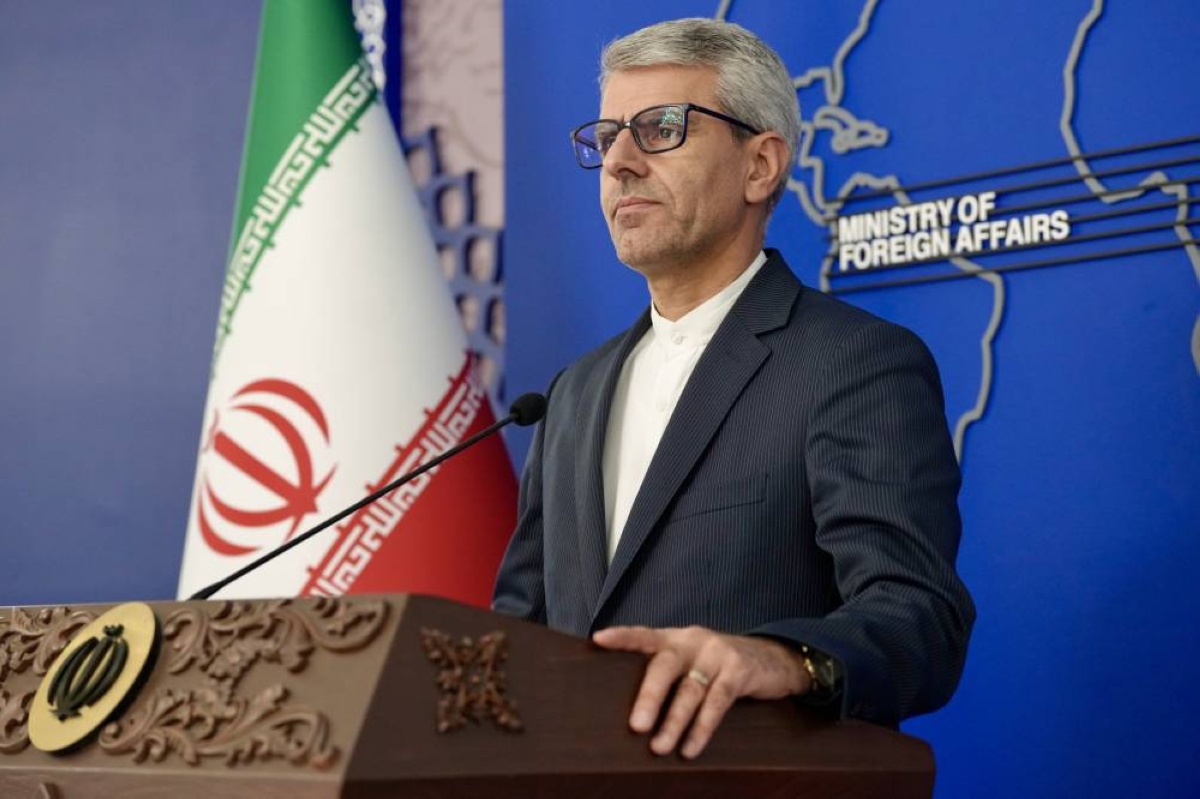
إسماعيل بقائي


تابع قناة عكاظ على الواتساب
«عكاظ»، وكالات (طهران) okaz_online@
The spokesperson for the Iranian Foreign Ministry, Ismail Baqaei, announced that a delegation from the United Nations' International Atomic Energy Agency (IAEA) will visit Tehran within two weeks.
Baqaei stated today (Monday) that a guideline will be presented regarding the future cooperation of Iran with the IAEA, based on a parliamentary law recently passed that imposes restrictions on this cooperation.
Iran's Deputy Foreign Minister Kazem Gharib Abadi reported on Wednesday that Iran has agreed to allow a technical team from the IAEA to visit in the coming weeks to discuss a new mechanism for relations between the two parties. He added to reporters during a visit to New York, "The delegation will come to Iran to discuss the mechanism, not to visit nuclear sites."
Tehran escalated its position by announcing at the beginning of July that it would halt cooperation with the IAEA, in a move that experts described as signaling a more dangerous phase of the crisis.
The decision came after Iranian President Masoud Pezeshkian approved a law passed by Parliament following unprecedented Israeli and American attacks on Iranian nuclear facilities, which resulted in the deaths of hundreds of people, while Tehran vowed to hold the agency and its director accountable for what it described as "collusion with crimes."
Pezeshkian warned that if aggression against Iran were to be repeated, Tehran's response would be "more decisive and painful," according to him.
The IAEA announced on the platform "X" that its inspectors had left Iran and returned to the agency's headquarters. The agency reported that the inspectors were in Tehran throughout the 12-day military escalation with Israel last month, which included American strikes on nuclear facilities in Iran.
On July 9, Iran announced the removal of the agency's surveillance cameras from nuclear facilities in the country, noting that a large number of agency inspectors had also left the country.
Baqaei stated today (Monday) that a guideline will be presented regarding the future cooperation of Iran with the IAEA, based on a parliamentary law recently passed that imposes restrictions on this cooperation.
Iran's Deputy Foreign Minister Kazem Gharib Abadi reported on Wednesday that Iran has agreed to allow a technical team from the IAEA to visit in the coming weeks to discuss a new mechanism for relations between the two parties. He added to reporters during a visit to New York, "The delegation will come to Iran to discuss the mechanism, not to visit nuclear sites."
Tehran escalated its position by announcing at the beginning of July that it would halt cooperation with the IAEA, in a move that experts described as signaling a more dangerous phase of the crisis.
The decision came after Iranian President Masoud Pezeshkian approved a law passed by Parliament following unprecedented Israeli and American attacks on Iranian nuclear facilities, which resulted in the deaths of hundreds of people, while Tehran vowed to hold the agency and its director accountable for what it described as "collusion with crimes."
Pezeshkian warned that if aggression against Iran were to be repeated, Tehran's response would be "more decisive and painful," according to him.
The IAEA announced on the platform "X" that its inspectors had left Iran and returned to the agency's headquarters. The agency reported that the inspectors were in Tehran throughout the 12-day military escalation with Israel last month, which included American strikes on nuclear facilities in Iran.
On July 9, Iran announced the removal of the agency's surveillance cameras from nuclear facilities in the country, noting that a large number of agency inspectors had also left the country.


