


عين رئيس الحكومة السودانية كامل إدريس 5 وزراء جدد ليرتفع عدد الوزراء المعينين إلى 20 من أصل 22 وزارة مقررة.
وتضمن القرار الذي صدر في وقت متأخر من مساء أمس (الأحد)، تعيين لمياء عبد الغفار خلف الله وزيراً لشؤون مجلس الوزراء، المعتصم إبراهيم أحمد وزيراً للطاقة، أحمد الدرديري غندور وزيراً للتحول الرقمي والاتصالات، التهامي الزين حجر وزيراً للتعليم والتربية الوطنية، وأحمد آدم أحمد وزيراً للشباب والرياضة.
وشمل القرار تعيين 3 وزراء دولة هم: عمر محمد أحمد صديق وزير دولة بوزارة الخارجية والتعاون الدولي، محمد نور عبد الدائم عبدالرحيم وزير دولة بوزارة المالية، وسليمى إسحاق محمد وزير دولة بوزارة الموارد البشرية والرعاية الاجتماعية.
وكان مجلس السيادة السوداني عين إدريس رئيسا للوزراء في 19 مايو الماضي، ليبدأ في تشكيل الحكومة، إذ عيّن في الثالث من يونيو الماضي، وزراء للزراعة والري، والتعليم العالي والبحث العلمي، والصحة، وبعد 5 أيام عيّن وزيرين للداخلية والدفاع.
من جانبها، أكدت الأمم المتحدة مرارا أن السودان يواجه واحدة من أسوأ الأزمات الإنسانية في العالم، وبالإضافة إلى عشرات الآلاف من القتلى، فر الملايين من منازلهم وانهارت الخدمات الأساسية، من الرعاية الصحية إلى المياه، في مختلف أنحاء البلاد.
وأعلن ائتلاف تقوده قوات الدعم السريع قبل يومين عن حكومة موازية يرأسها محمد حسن التعايشي، تحت مظلة من مجلس رئاسي يقوده حميدتي ومعه عبدالعزيز الحلو قائد الحركة الشعبية لتحرير السودان-شمال، نائبا للرئيس.
وكان الدعم السريع قد سيطر على مناطق واسعة من السودان، قبل أن تنجح قوات الجيش في طرده من مساحات واسعة بينها العاصمة الخرطوم وتتراجع إلى إقليم دارفور الذي تسيطر على معظمه.
وندد الجيش بقيادة الفريق أول عبدالفتاح البرهان بتشكيل قوات الدعم السريع حكومة موازية، وتعهد بمواصلة القتال لحين السيطرة على كامل السودان. ووصفت وزارة الخارجية السودانية هذه الحكومة بـ«الوهمية»، وقالت إنها تعكس استهتارا بمعاناة الشعب السوداني.
رئيس الوزراء السوداني يعين 5 وزراء جدد
28 يوليو 2025 - 12:39
|
آخر تحديث 28 يوليو 2025 - 12:39
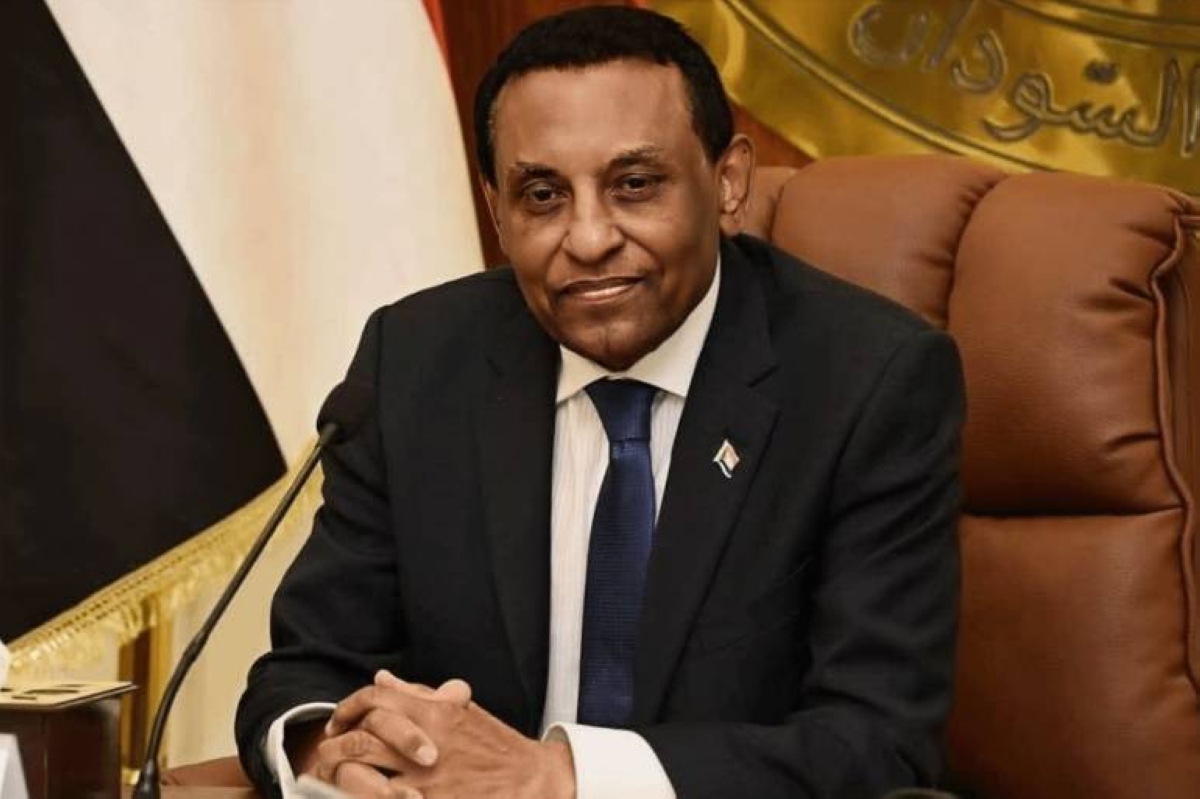
كمال إدريس


تابع قناة عكاظ على الواتساب
«عكاظ»، وكالات (الخرطوم) okaz_online@
The Sudanese Prime Minister Kamel Idris appointed 5 new ministers, raising the number of appointed ministers to 20 out of a planned 22 ministries.
The decision, which was issued late last night (Sunday), included the appointment of Lamia Abdel Ghaffar Khalaf Allah as Minister of Cabinet Affairs, Al-Mu'tasim Ibrahim Ahmed as Minister of Energy, Ahmed Al-Dardiri Ghandour as Minister of Digital Transformation and Communications, Al-Tahami Al-Zain Hajar as Minister of Education and National Training, and Ahmed Adam Ahmed as Minister of Youth and Sports.
The decision also included the appointment of 3 state ministers: Omar Mohammed Ahmed Sidique as State Minister at the Ministry of Foreign Affairs and International Cooperation, Mohammed Nour Abdel Daim Abdel Rahim as State Minister at the Ministry of Finance, and Salima Ishaq Mohammed as State Minister at the Ministry of Human Resources and Social Welfare.
The Sudanese Sovereignty Council appointed Idris as Prime Minister on May 19, and he began forming the government, appointing ministers for Agriculture and Irrigation, Higher Education and Scientific Research, and Health on June 3. Five days later, he appointed ministers for Interior and Defense.
For its part, the United Nations has repeatedly confirmed that Sudan is facing one of the worst humanitarian crises in the world. In addition to tens of thousands of deaths, millions have fled their homes, and basic services, from healthcare to water, have collapsed across the country.
Two days ago, a coalition led by the Rapid Support Forces announced a parallel government headed by Mohamed Hassan Al-Taiyashi, under the umbrella of a presidential council led by Hemeti, with Abdel Aziz Al-Hilu, leader of the Sudan People's Liberation Movement-North, as vice president.
The Rapid Support Forces had taken control of vast areas of Sudan before the army succeeded in driving them out of large territories, including the capital Khartoum, retreating to the Darfur region, which they control most of.
The army, led by Lieutenant General Abdel Fattah Al-Burhan, condemned the Rapid Support Forces for forming a parallel government and pledged to continue fighting until they regain full control of Sudan. The Sudanese Ministry of Foreign Affairs described this government as "illusory," stating that it reflects a disregard for the suffering of the Sudanese people.
The decision, which was issued late last night (Sunday), included the appointment of Lamia Abdel Ghaffar Khalaf Allah as Minister of Cabinet Affairs, Al-Mu'tasim Ibrahim Ahmed as Minister of Energy, Ahmed Al-Dardiri Ghandour as Minister of Digital Transformation and Communications, Al-Tahami Al-Zain Hajar as Minister of Education and National Training, and Ahmed Adam Ahmed as Minister of Youth and Sports.
The decision also included the appointment of 3 state ministers: Omar Mohammed Ahmed Sidique as State Minister at the Ministry of Foreign Affairs and International Cooperation, Mohammed Nour Abdel Daim Abdel Rahim as State Minister at the Ministry of Finance, and Salima Ishaq Mohammed as State Minister at the Ministry of Human Resources and Social Welfare.
The Sudanese Sovereignty Council appointed Idris as Prime Minister on May 19, and he began forming the government, appointing ministers for Agriculture and Irrigation, Higher Education and Scientific Research, and Health on June 3. Five days later, he appointed ministers for Interior and Defense.
For its part, the United Nations has repeatedly confirmed that Sudan is facing one of the worst humanitarian crises in the world. In addition to tens of thousands of deaths, millions have fled their homes, and basic services, from healthcare to water, have collapsed across the country.
Two days ago, a coalition led by the Rapid Support Forces announced a parallel government headed by Mohamed Hassan Al-Taiyashi, under the umbrella of a presidential council led by Hemeti, with Abdel Aziz Al-Hilu, leader of the Sudan People's Liberation Movement-North, as vice president.
The Rapid Support Forces had taken control of vast areas of Sudan before the army succeeded in driving them out of large territories, including the capital Khartoum, retreating to the Darfur region, which they control most of.
The army, led by Lieutenant General Abdel Fattah Al-Burhan, condemned the Rapid Support Forces for forming a parallel government and pledged to continue fighting until they regain full control of Sudan. The Sudanese Ministry of Foreign Affairs described this government as "illusory," stating that it reflects a disregard for the suffering of the Sudanese people.


