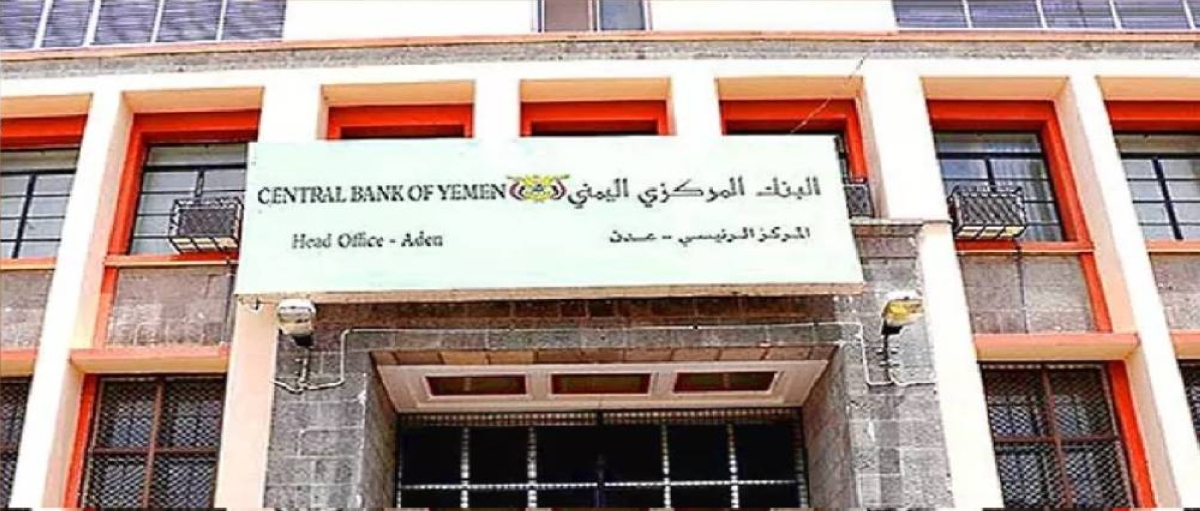
في إطار الإصلاحات الاقتصادية التي أطلقتها الحكومة اليمنية، أصدر البنك المركزي اليمني في العاصمة المؤقتة عدن اليوم (الأربعاء) قراراً قضى بإيقاف التراخيص الممنوحة لـ13 شركة ومنشأة صرافة مخالفة.
وشدد القرار الذي أصدره محافظ البنك المركزي أحمد غالب على أنه يستند إلى الصلاحيات التي اتخذها البنك المركزي والقوانين الخاصة بالبنوك وأعمال الصرافة ومكافحة غسل الأموال وتمويل الإرهاب، عازياً صدور القرار إلى المخالفات المثبتة بتقرير النزول الميداني المرفوع من قطاع الرقابة على البنوك.
ويتزامن قرار البنك المركزي اليمني مع بدء لجنة برلمانية برئاسة النائب عبدالله المقطري زياراتها إلى فرع البنك المركزي اليمني في محافظة مأرب، ومكتب المالية، وفرع مصلحة الضرائب بالمحافظة للوقوف على طبيعة الأداء والسياسة النقدية والتكامل المالي داخل المؤسسات.
واطلعت اللجنة على إجراءات فتح الحسابات الحكومية لكافة المكاتب والمؤسسات العامة والمختلطة، ورقابة البنك عليها للتأكد من عدم وجود حسابات لأي جهة حكومية في البنوك أو شركات الصرافة، وعملية تنظيم استلام البنك إيرادات الجهات الإيرادية المختلفة والشركات النفطية، وربط شبكة البنك بالشبكة الرئيسية بعدن، وأعمال الصرف وفقاً للتعزيزات المالية والمصرحات المتعلقة بتنفيذ الموازنة العامة.
وتواصل اللجنة البرلمانية، مهماتها الرقابية على أداء المؤسسات المالية والإيرادية بالسلطة المحلية، وفحص نشاطها للوقوف على الاختلالات في التصرفات المالية والإدارية، والموارد العامة المركزية والمحلية، إلى جانب الصعوبات والتحديات التي تقف أمام أدائها.
As part of the economic reforms launched by the Yemeni government, the Central Bank of Yemen issued a decision today (Wednesday) in the temporary capital, Aden, to suspend the licenses granted to 13 violating exchange companies and establishments.
The decision issued by the Governor of the Central Bank, Ahmed Ghaleb, emphasized that it is based on the powers exercised by the Central Bank and the laws related to banks, exchange operations, and combating money laundering and terrorism financing, attributing the issuance of the decision to the violations documented in the field report submitted by the Banking Supervision Sector.
The decision of the Central Bank of Yemen coincides with the start of a parliamentary committee, headed by Deputy Abdullah Al-Maqtari, visiting the branch of the Central Bank of Yemen in Marib Governorate, the Finance Office, and the branch of the Tax Authority in the governorate to assess the nature of performance, monetary policy, and financial integration within the institutions.
The committee reviewed the procedures for opening government accounts for all public and mixed offices and institutions, and the bank's oversight to ensure that there are no accounts for any government entity in banks or exchange companies, as well as the process of organizing the bank's receipt of revenues from various revenue-generating entities and oil companies, linking the bank's network to the main network in Aden, and the disbursement operations according to the financial reinforcements and statements related to the implementation of the general budget.
The parliamentary committee continues its oversight tasks on the performance of financial and revenue institutions within the local authority, examining their activities to identify irregularities in financial and administrative conduct, central and local public resources, as well as the difficulties and challenges facing their performance.