


أعلن نائب وزير الخارجية الإيراني كاظم غريب آبادي اليوم (الأربعاء) إن إيران وافقت على السماح لفريق فني من الوكالة الدولية للطاقة الذرية بزيارتها خلال الأسابيع القادمة لمناقشة «آلية جديدة» للعلاقات بين الوكالة وطهران.
وقال آبادي للصحفيين خلال زيارة لنيويورك: سيأتي الوفد إلى إيران لمناقشة الآلية، وليس لزيارة المواقع (النووية)، ويعد الموقف الإيراني هو الأبرز بعد أن أبلغ الرئيس الإيراني مسعود بيزشكيان في 10 يوليو الجاري رئيس المجلس الأوروبي أنطونيو كوستا، أن استمرار تعاون إيران مع الوكالة الدولية للطاقة الذرية يعتمد على تصحيح الوكالة لما وصفه بـ«معاييرها المزدوجة» فيما يتعلق بملف إيران النووي، فيما شدد كوستا على دعم الاتحاد الأوروبي لـ«الدور المحوري» الذي تلعبه الوكالة.
وحذر بيزشيكان الذي علقت بلاده التعاون مع الوكالة، من أنه في حال تكرار العدوان على إيران، فإن رد طهران سيكون «أكثر حسماً وإيلاماً»، وذلك بعد أيام من مصادقته على قانون لتعليق التعاون مع الوكالة الدولية للطاقة الذرية، وسط اتهامات إيرانية للوكالة بأن تقريرها الذي انتقد إيران في يونيو، مهد للحرب الإسرائيلية، وضرب واشنطن لمنشآتها النووية.
وأعلنت إيران في 9 يوليو، إزالة كاميرات المراقبة التابعة للوكالة من المنشآت النووية في البلاد، لافتة إلى أن عدداً كبيراً من مفتشي الوكالة غادروا البلاد أيضاً.
في غضون ذلك، أفصح الرئيس الأمريكي، دونالد ترمب، بأن الولايات المتحدة قررت التوقف عن محاولة إقناع إيران بالدخول في محادثات بشأن برنامجها النووي، وفقا لما نقلته صحيفة «جيروزاليم بوست» عن مصدرين مطلعين قولهما: «إذا أرادت طهران المشاركة في المفاوضات، فهم مرحب بهم، أما نحن، فلن نحاول إقناعهم أو التوسل إليهم».
تأتي هذه التصريحات بعد جهود مطولة بذلتها إدارة ترمب لإقناع طهران بالانخراط في مفاوضات، مع تأكيد واشنطن أن أي اتفاق مستقبلي يجب أن يمنع إيران من تخصيب اليورانيوم بشكل كامل.
أمريكا تعلن توقفها عن محاولات البحث عن مفاوضات
إيران: السماح لفريق فني من «الطاقة الذرية» بزيارة طهران
23 يوليو 2025 - 20:46
|
آخر تحديث 23 يوليو 2025 - 20:46
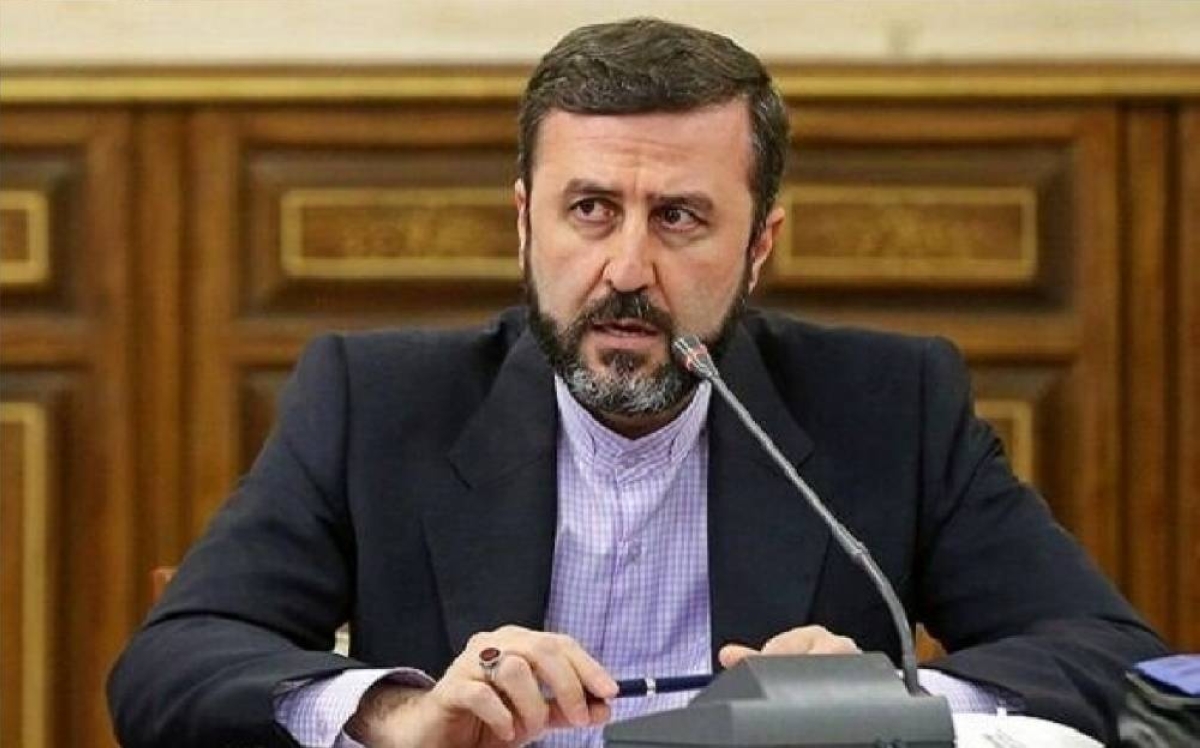
كاظم


تابع قناة عكاظ على الواتساب
«عكاظ» (جدة) okaz_online@
Iranian Deputy Foreign Minister Kazem Gharib Abadi announced today (Wednesday) that Iran has agreed to allow a technical team from the International Atomic Energy Agency (IAEA) to visit it in the coming weeks to discuss a "new mechanism" for relations between the agency and Tehran.
Abadi told reporters during a visit to New York: The delegation will come to Iran to discuss the mechanism, not to visit the (nuclear) sites. The Iranian position is particularly significant after Iranian President Masoud Pezeshkian informed European Council President Antonio Costa on July 10 that Iran's continued cooperation with the IAEA depends on the agency correcting what he described as its "double standards" regarding Iran's nuclear file, while Costa emphasized the EU's support for the "central role" played by the agency.
Pezeshkian, whose country suspended cooperation with the agency, warned that if aggression against Iran is repeated, Tehran's response will be "more decisive and painful," following days after he approved a law to suspend cooperation with the IAEA, amid Iranian accusations that the agency's report criticizing Iran in June paved the way for Israeli aggression and Washington's strikes on its nuclear facilities.
On July 9, Iran announced the removal of the IAEA's surveillance cameras from its nuclear facilities, noting that a large number of agency inspectors had also left the country.
Meanwhile, U.S. President Donald Trump revealed that the United States has decided to stop trying to persuade Iran to engage in talks regarding its nuclear program, according to what the "Jerusalem Post" reported from two informed sources saying: "If Tehran wants to participate in negotiations, they are welcome, but we will not try to convince them or beg them."
These statements come after prolonged efforts by the Trump administration to persuade Tehran to engage in negotiations, with Washington emphasizing that any future agreement must prevent Iran from fully enriching uranium.
Abadi told reporters during a visit to New York: The delegation will come to Iran to discuss the mechanism, not to visit the (nuclear) sites. The Iranian position is particularly significant after Iranian President Masoud Pezeshkian informed European Council President Antonio Costa on July 10 that Iran's continued cooperation with the IAEA depends on the agency correcting what he described as its "double standards" regarding Iran's nuclear file, while Costa emphasized the EU's support for the "central role" played by the agency.
Pezeshkian, whose country suspended cooperation with the agency, warned that if aggression against Iran is repeated, Tehran's response will be "more decisive and painful," following days after he approved a law to suspend cooperation with the IAEA, amid Iranian accusations that the agency's report criticizing Iran in June paved the way for Israeli aggression and Washington's strikes on its nuclear facilities.
On July 9, Iran announced the removal of the IAEA's surveillance cameras from its nuclear facilities, noting that a large number of agency inspectors had also left the country.
Meanwhile, U.S. President Donald Trump revealed that the United States has decided to stop trying to persuade Iran to engage in talks regarding its nuclear program, according to what the "Jerusalem Post" reported from two informed sources saying: "If Tehran wants to participate in negotiations, they are welcome, but we will not try to convince them or beg them."
These statements come after prolonged efforts by the Trump administration to persuade Tehran to engage in negotiations, with Washington emphasizing that any future agreement must prevent Iran from fully enriching uranium.


