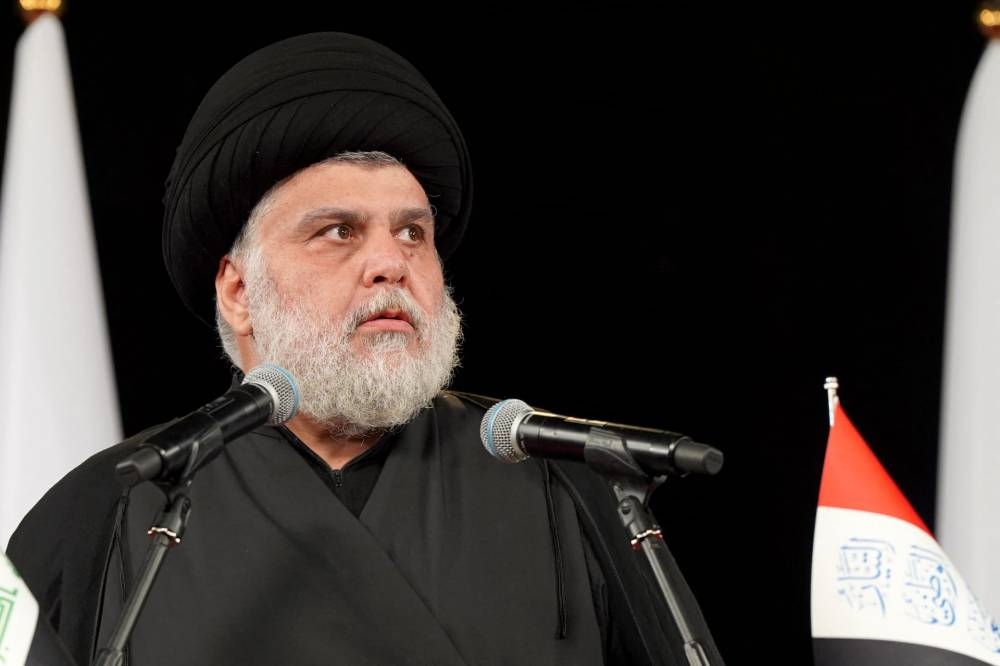
كشف مصدر مطلع على حراك قوى «الإطار التنسيقي» تمسك زعيم التيار الوطني مقتدى الصدر بقرار مقاطعة الانتخابات القادمة رغم محاولات الوساطة التي يقودها بعض قادة التحالف الحاكم، وعلى رأسهم زعيم تيار الحكمة عمار الحكيم.
وقال المصدر لـ«عكاظ»: إن محاولات فتح قنوات التواصل مع الصدر لم تتكلل بالنجاح حتى الآن ما دفع «قوى الإطار» إلى التواصل مع شخصية دينية تحظى بثقة الطرفين وهو رجل الدين مصطفى اليعقوبي، الذي يعرف بعلاقاته المتوازنة مع التيار الصدري والإطار التنسيقي.
فيما رجح مصدر مقرب من الصدر لـ«عكاظ» فشل أية محاولة للوساطة، مؤكداً أن الصدر لا يزال مصراً على موقفه ولا نية لديه حالياً للتراجع عن قرار مقاطعة الانتخابات وفق بيانه الأخير.
وفي وقت سابق، تحدثت تقارير أن زعيم التيار الوطني الشيعي (التيار الصدري سابقاً) مقتدى الصدر لا يزال على موقفه الرافض للمشاركة في الانتخابات، ما دفع زعيم تيار الحكمة عمار الحكيم لتولي مهمة الوساطة لإثناء الصدر عن قراره، لكن هذه الخطوة لا تزال في بدايتها وغير واضحة المعالم والآليات.
وجدد الصدر موقفه من عدم المشاركة في الانتخابات التشريعية القادمة في العراق المزمع إجراؤها في شهر نوفمبر.
وطالب في بيان بتسليم السلاح «المنفلت» إلى الدولة، وحل المليشيات، وتقوية الجيش والشرطة، واستقلال العراق وعدم تبعيته، والسعي الحثيث إلى الإصلاح ومحاسبة الفاسدين. واعتبر مراقبون أن هذه الشروط مقابل مشاركته في أي انتخابات تُجرى في العراق.
وأعلن الصدر في مارس الماضي عدم مشاركته في الانتخابات، معللاً ذلك بوجود «الفساد والفاسدين».
A source familiar with the movements of the "Coordination Framework" forces revealed that the leader of the National Movement, Muqtada al-Sadr, is adamant about his decision to boycott the upcoming elections despite mediation attempts led by some leaders of the ruling coalition, most notably the leader of the Wisdom Movement, Ammar al-Hakim.
The source told "Okaz": Attempts to open channels of communication with al-Sadr have not been successful so far, which has led the "Coordination Framework" forces to reach out to a religious figure trusted by both parties, namely the cleric Mustafa al-Yaqoubi, who is known for his balanced relationships with both the Sadrist movement and the Coordination Framework.
Meanwhile, a source close to al-Sadr told "Okaz" that any mediation attempt is likely to fail, confirming that al-Sadr remains steadfast in his position and has no intention at present to retract his decision to boycott the elections according to his latest statement.
Earlier reports indicated that the leader of the Shiite National Movement (formerly the Sadrist movement), Muqtada al-Sadr, still maintains his stance against participating in the elections, prompting the leader of the Wisdom Movement, Ammar al-Hakim, to take on the role of mediator to persuade al-Sadr to change his decision; however, this step is still in its early stages and lacks clarity in its features and mechanisms.
Al-Sadr reiterated his position of not participating in the upcoming legislative elections in Iraq, scheduled to be held in November.
In a statement, he called for the "uncontrolled" weapons to be handed over to the state, the dissolution of militias, strengthening the army and police, ensuring Iraq's independence and non-dependence, and a diligent pursuit of reform and accountability for the corrupt. Observers considered these conditions as prerequisites for his participation in any elections held in Iraq.
Al-Sadr announced in March that he would not participate in the elections, citing the presence of "corruption and corrupt individuals" as his reason.