


أفصحت وسائل إعلام إسرائيلية أن حماس وافقت على الخريطة الجديدة التي عرضتها إسرائيل في الدوحة، والتي تتضمن انسحاب جيش الاحتلال من محور موراغ بين خان يونس ورفح جنوبي قطاع غزة.
ووفقاً للخريطة، ستبقى القوات الإسرائيلية بعمق 1.2 كيلومتر شمال محور فيلادلفيا، و1.1 كيلومتر في شمال وشرق غزة. ونقلت صحيفة «جيروزاليم بوست» عن مصدر مشارك في المفاوضات قوله: «لم يعد التركيز منصباً على محور موراغ؛ بل على الوجود الإسرائيلي في منطقة رفح. هذا هو محور النقاشات حالياً».
وأعلن المصدر أن الوسطاء متفائلون، ويعتقدون أن الخرائط الجديدة تعزز بشكل كبير فرص التوصل إلى اتفاق قريباً.
وبحسب مسؤول دبلوماسي رفيع المستوى، فإن موافقة حماس على إطار عمل المبعوث الأمريكي للشرق الأوسط ستيف ويتكوف تُشير إلى تحوّل في موقفها.
وعزا المسؤول موافقة حماس إلى الضغط العسكري المكثف، والتدخل الأمريكي القوي، ورغبة واشنطن في التوصل إلى اتفاق.
وقال المسؤول للصحفيين إن التوصل إلى اتفاق بشأن المحتجزين، الذي يشمل إطلاق سراح 10 محتجزين، وإعادة جثث 18 آخرين، إضافة إلى هدنة لمدة 60 يوماً، أمر «ممكن».
وأضاف: «هناك آراء سياسية متباينة في إسرائيل، لكن الحكومة ملتزمة باتفاق بشأن الرهائن، وهذا هو الموقف الذي يتبناه رئيس الوزراء. أعتقد أن التوصل إلى اتفاق ممكن. الأمر ليس بهذه البساطة. التفاوض مع حماس ليس سهلاً ولا سريعاً، ولا يمكنني تحديد جدول زمني، ولكنه في المتناول».
ونقلت صحيفة «تايمز أوف إسرائيل» عن مصدر دبلوماسي عربي قوله: إن المقترح الإسرائيلي المُحَدث سيعيق على الأرجح قدرة تل أبيب على تنفيذ خطة ما تسميه بـ«المدينة الإنسانية».
وأكد أنه لا يزال يتعين على الجانبين التوصل إلى تفاهمات بشأن آليات توزيع المساعدات الإنسانية، وعدد وهويات الأسرى الفلسطينيين الذين سَيُطلَقُ سراحهم خلال الهدنة التي تستمر شهرين.
وكان المبعوث الأمريكي للشرق الأوسط ستيف ويتكوف قال إن مفاوضات وقف إطلاق النار في قطاع غزة تمضي بشكل جيد، فيما قال الرئيس الأمريكي دونالد ترمب خلال حفل توقيع قانون في واشنطن: «لدينا بعض الأخبار الجيدة بشأن غزة وبعض الأمور الأخرى التي نعمل عليها»، موجهاً الشكر لويتكوف.
وعُقد اجتماع بين الوفد الإسرائيلي والوفدين القطري والمصري، قدم خلاله الجانب الإسرائيلي خرائط جديدة تعكس مرونة إضافية من طرفه، بحسب ما كشفت صحيفة «جيروزاليم بوست».
ونقلت عن مصدر مطلع قوله: «التركيز الآن لم يعد على ممر موراغ، بل على الوجود الإسرائيلي في منطقة رفح، فهناك يتمحور النقاش حالياً».
وحسب المصدر، فإن الوسطاء متفائلون، ويعتقدون أن الخرائط الجديدة تشكل تقدماً كبيراً في فرص التوصل إلى اتفاق قريب.
وذكرت هيئة البث الإسرائيلية أن الوسطاء يركزون في المرحلة الحالية على انسحاب الجيش الإسرائيلي من قطاع غزة خلال الهدنة بما في ذلك انسحاب ملموس من رفح.
وأفادت بأن مسودة اتفاق غزة تشمل إطلاق سراح 28 محتجزاً إسرائيلياً على مدار هدنة تمتد لـ60 يوماً، موضحة أن إسرائيل ستبدأ بانسحاب تدريجي من شمال قطاع غزة، يتبعه انسحاب من مناطق في جنوب القطاع.
ووفق مسودة الاتفاق، التي صيغت بالتعاون مع الوسطاء، فإن الإفراج عن الـ28 محتجزاً إسرائيلياً سيكون على النحو التالي: 10 أحياء و18 جثماناً، وذلك مقابل وقف شامل للنشاط العسكري وتدفق مساعدات إنسانية إلى القطاع تحت إشراف الأمم المتحدة والهلال الأحمر.
ومن المقرر أن يتم تنفيذ الصفقة وفق جدول زمني محدد، إذ يُفرج عن 8 محتجزين أحياء في اليوم الأول، و5 جثامين في اليوم السابع، ثم 5 آخرين في اليوم الثلاثين، ومحتجزين اثنين حيّين في اليوم الخمسين، وفي اليوم الأخير تُسلّم جثامين 8 آخرين.
وأكدت هيئة البث الإسرائيلية أن حماس تلتزم في اليوم العاشر من الهدنة بتقديم معلومات عن باقي المحتجزين، بينما تكشف إسرائيل معلومات عن أكثر من 2000 معتقل من غزة احتُجزوا إدارياً منذ بدء الحرب.
وينص الاتفاق على التزام إسرائيلي بإطلاق سراح عدد كبير من السجناء الأمنيين الفلسطينيين، إلى جانب وقف كامل للعمليات العسكرية من لحظة دخول الهدنة حيّز التنفيذ، وتعليق حركة الطيران فوق القطاع لمدة 10 ساعات يومياً، ترتفع إلى 12 ساعة في أيام تسليم المحتجزين.
تقدم في مفاوضات هدنة غزة..
إعلام إسرائيلي: حماس توافق على خريطة الانسحاب الجديدة
17 يوليو 2025 - 13:04
|
آخر تحديث 17 يوليو 2025 - 13:04
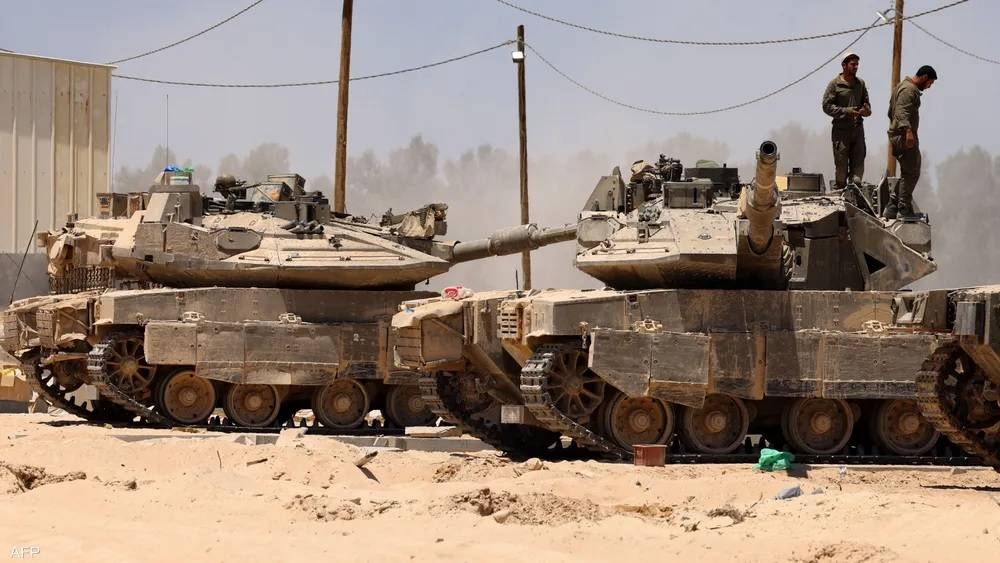
قوات إسرائيلية في غزة.


تابع قناة عكاظ على الواتساب
«عكاظ» (غزة) okaz_online@
Israeli media reported that Hamas has agreed to the new map presented by Israel in Doha, which includes the withdrawal of the occupation army from the Morag axis between Khan Younis and Rafah in the southern Gaza Strip.
According to the map, Israeli forces will remain 1.2 kilometers deep north of the Philadelphia axis, and 1.1 kilometers north and east of Gaza. The "Jerusalem Post" quoted a source involved in the negotiations as saying: "The focus is no longer on the Morag axis; rather, it is on the Israeli presence in the Rafah area. This is the focus of discussions currently."
The source announced that the mediators are optimistic and believe that the new maps significantly enhance the chances of reaching an agreement soon.
According to a senior diplomatic official, Hamas's approval of the framework proposed by U.S. Middle East envoy Steve Witkoff indicates a shift in its position.
The official attributed Hamas's approval to intense military pressure, strong U.S. intervention, and Washington's desire to reach an agreement.
The official told reporters that reaching an agreement regarding the detainees, which includes the release of 10 detainees and the return of the bodies of 18 others, in addition to a ceasefire lasting 60 days, is "possible."
He added: "There are differing political opinions in Israel, but the government is committed to an agreement regarding the hostages, and this is the position adopted by the Prime Minister. I believe that reaching an agreement is possible. It is not that simple. Negotiating with Hamas is neither easy nor quick, and I cannot set a timeline, but it is within reach."
The "Times of Israel" quoted an Arab diplomatic source as saying that the updated Israeli proposal will likely hinder Tel Aviv's ability to implement what it calls the "humanitarian city" plan.
He confirmed that both sides still need to reach understandings regarding the mechanisms for distributing humanitarian aid, as well as the number and identities of the Palestinian prisoners who will be released during the two-month ceasefire.
U.S. Middle East envoy Steve Witkoff stated that the ceasefire negotiations in the Gaza Strip are progressing well, while U.S. President Donald Trump said during a law-signing ceremony in Washington: "We have some good news regarding Gaza and some other matters we are working on," thanking Witkoff.
A meeting was held between the Israeli delegation and the Qatari and Egyptian delegations, during which the Israeli side presented new maps reflecting additional flexibility on its part, according to what the "Jerusalem Post" revealed.
It quoted an informed source as saying: "The focus is no longer on the Morag corridor, but on the Israeli presence in the Rafah area, as discussions are currently centered there."
According to the source, the mediators are optimistic and believe that the new maps represent significant progress in the chances of reaching an agreement soon.
The Israeli Broadcasting Authority reported that the mediators are currently focusing on the withdrawal of the Israeli army from the Gaza Strip during the ceasefire, including a tangible withdrawal from Rafah.
It reported that the draft agreement for Gaza includes the release of 28 Israeli detainees over a ceasefire lasting 60 days, clarifying that Israel will begin a gradual withdrawal from northern Gaza, followed by a withdrawal from areas in the southern part of the strip.
According to the draft agreement, which was formulated in cooperation with the mediators, the release of the 28 Israeli detainees will be as follows: 10 alive and 18 bodies, in exchange for a complete halt to military activity and the flow of humanitarian aid to the strip under the supervision of the United Nations and the Red Crescent.
The deal is set to be implemented according to a specific timeline, with 8 living detainees released on the first day, 5 bodies on the seventh day, then 5 more on the thirtieth day, and 2 living detainees on the fiftieth day, with the bodies of 8 others handed over on the last day.
The Israeli Broadcasting Authority confirmed that Hamas is committed to providing information about the remaining detainees on the tenth day of the ceasefire, while Israel reveals information about more than 2,000 detainees from Gaza who have been held administratively since the start of the war.
The agreement stipulates an Israeli commitment to release a large number of Palestinian security prisoners, in addition to a complete halt to military operations from the moment the ceasefire comes into effect, and the suspension of air traffic over the strip for 10 hours daily, increasing to 12 hours on days of detainee handovers.
According to the map, Israeli forces will remain 1.2 kilometers deep north of the Philadelphia axis, and 1.1 kilometers north and east of Gaza. The "Jerusalem Post" quoted a source involved in the negotiations as saying: "The focus is no longer on the Morag axis; rather, it is on the Israeli presence in the Rafah area. This is the focus of discussions currently."
The source announced that the mediators are optimistic and believe that the new maps significantly enhance the chances of reaching an agreement soon.
According to a senior diplomatic official, Hamas's approval of the framework proposed by U.S. Middle East envoy Steve Witkoff indicates a shift in its position.
The official attributed Hamas's approval to intense military pressure, strong U.S. intervention, and Washington's desire to reach an agreement.
The official told reporters that reaching an agreement regarding the detainees, which includes the release of 10 detainees and the return of the bodies of 18 others, in addition to a ceasefire lasting 60 days, is "possible."
He added: "There are differing political opinions in Israel, but the government is committed to an agreement regarding the hostages, and this is the position adopted by the Prime Minister. I believe that reaching an agreement is possible. It is not that simple. Negotiating with Hamas is neither easy nor quick, and I cannot set a timeline, but it is within reach."
The "Times of Israel" quoted an Arab diplomatic source as saying that the updated Israeli proposal will likely hinder Tel Aviv's ability to implement what it calls the "humanitarian city" plan.
He confirmed that both sides still need to reach understandings regarding the mechanisms for distributing humanitarian aid, as well as the number and identities of the Palestinian prisoners who will be released during the two-month ceasefire.
U.S. Middle East envoy Steve Witkoff stated that the ceasefire negotiations in the Gaza Strip are progressing well, while U.S. President Donald Trump said during a law-signing ceremony in Washington: "We have some good news regarding Gaza and some other matters we are working on," thanking Witkoff.
A meeting was held between the Israeli delegation and the Qatari and Egyptian delegations, during which the Israeli side presented new maps reflecting additional flexibility on its part, according to what the "Jerusalem Post" revealed.
It quoted an informed source as saying: "The focus is no longer on the Morag corridor, but on the Israeli presence in the Rafah area, as discussions are currently centered there."
According to the source, the mediators are optimistic and believe that the new maps represent significant progress in the chances of reaching an agreement soon.
The Israeli Broadcasting Authority reported that the mediators are currently focusing on the withdrawal of the Israeli army from the Gaza Strip during the ceasefire, including a tangible withdrawal from Rafah.
It reported that the draft agreement for Gaza includes the release of 28 Israeli detainees over a ceasefire lasting 60 days, clarifying that Israel will begin a gradual withdrawal from northern Gaza, followed by a withdrawal from areas in the southern part of the strip.
According to the draft agreement, which was formulated in cooperation with the mediators, the release of the 28 Israeli detainees will be as follows: 10 alive and 18 bodies, in exchange for a complete halt to military activity and the flow of humanitarian aid to the strip under the supervision of the United Nations and the Red Crescent.
The deal is set to be implemented according to a specific timeline, with 8 living detainees released on the first day, 5 bodies on the seventh day, then 5 more on the thirtieth day, and 2 living detainees on the fiftieth day, with the bodies of 8 others handed over on the last day.
The Israeli Broadcasting Authority confirmed that Hamas is committed to providing information about the remaining detainees on the tenth day of the ceasefire, while Israel reveals information about more than 2,000 detainees from Gaza who have been held administratively since the start of the war.
The agreement stipulates an Israeli commitment to release a large number of Palestinian security prisoners, in addition to a complete halt to military operations from the moment the ceasefire comes into effect, and the suspension of air traffic over the strip for 10 hours daily, increasing to 12 hours on days of detainee handovers.


