


فجرت «خطة رفح» المتمثلة في نقل مئات الآلاف من الفلسطينيين إلى «منطقة إنسانية» داخل قطاع غزة خلافات حادة بين المستويين العسكري والسياسي في إسرائيل. وعبر مسؤولون عسكريون عن اعتراضهم ، مؤكدين أنها قد تنتهك القانون الدولي، وقدموا التماساً للمحكمة العليا الإسرائيلية.
ووفق تقارير إسرائيلية، فإن الرفض العسكري مثّل تحديّاً غير مسبوق للخطة، وأدى إلى مشادة حادة بين رئيس أركان الجيش إيال زامير، ورئيس الوزراء بنيامين نتنياهو خلال اجتماع لمجلس الحرب.
أصدر مكتب رئيس الأركان ، رداً على التماس قدمه عدد من جنود الاحتياط إلى المحكمة العليا الإسرائيلية، مطالبين إياها بالحكم فيما إذا كانت أفعال إسرائيل في غزة، بعد نحو عامين من هجمات 7 أكتوبر 2023، قد أصبحت تنتهك القانون الدولي، وفق ما نقلته صحيفة «ذا تايمز».
وقال زامير: إن تحريك ونقل السكان ليس جزءاً من أهداف الحرب في القطاع، وإن الجيش بالتأكيد لا يُجبر السكان على التنقل داخل أو خارج قطاع غزة.
وقال أفشالوم سال، جندي إسرائيلي الذي شارك في تقديم الالتماس إلى جانب اثنين من ضباط الاحتياط: «إذا كانت المهمة الآن هي الطرد، والاحتلال، والاستيطان، كما يتحدثون، فهي مهمة غير قانونية ولن أشارك فيها». وأكد أن هذا سيقود إما إلى مواجهة غير مسبوقة بين الجيش والدولة، لم نشهد مثلها من قبل، أو إلى انصياع الجيش للأوامر وتنفيذ خطة ستلحق الضرر بإسرائيل لأجيال قادمة».
ووُصف الالتماس بأنه «الملاذ الأخير» بالنسبة للمقدّمين عليه، الذين قالوا إنهم «يشتبهون في أن قادة الدولة والجيش يطلبون منهم أن يكونوا شركاء في حرب تقوم في جوهرها على التهجير القسري للمدنيين».
من جانبه، قال جنرال إسرائيلي كبير إن نقل سكان غزة ليس هدفاً من أهداف الحرب، لأن الهدف هو القضاء على حركة حماس، لكنه زعم أن الطريقة لتحقيق ذلك هي بفصل السكان المدنيين عن المسلحين من خلال بناء عدد من المخيمات.
وأضاف العميد أورن سولومون: «نحن لا نعارض التوجيهات السياسية، بل ننفذها.. الخلاف يدور حول كيفية تنفيذها. ونحن نعلم أننا لا نستطيع إنشاء موقع واحد فقط».
كما بين «نحن ندرك أن المدينة الإنسانية لن تستوعب كل السكان، لذا يجب أن نبني عدة مواقع مماثلة».
وكشفت إسرائيل هذا الأسبوع عن خطة جديدة لنقل مئات الآلاف من الفلسطينيين في قطاع غزة إلى «منطقة إنسانية»، في خطوة وصفت بأنها غير مسبوقة وأثارت موجة انتقادات من قبل خبراء قانونيين داخل إسرائيل وخارجها.
وقال وزير الدفاع الإسرائيلي يسرائيل كاتس، إنه كلف الجيش بإعداد خطة لإنشاء «مدينة إنسانية» في رفح لتكون مكاناً يتم فيه تجميع سكان قطاع غزة بالكامل في نهاية المطاف.
والمدينة المزمعة سيتم تشييدها على أنقاض مدينة رفح في جنوب القطاع، وتتضمن الخطة نقل نحو 600 ألف فلسطيني من منطقة المواصي إلى المنطقة الجديدة بعد فحص أمني، ولن يسمح لهم بالمغادرة بعد ذلك.وأضاف كاتس أنه إذا كانت الظروف مواتية فسيبدأ العمل في المدينة خلال هدنة الستين يوماً التي يتم التفاوض بشأنها حالياً.
ولفت إلى أن إسرائيل تسعى للحصول على شركاء دوليين لإدارة المنطقة، موضحاً أن الجيش الإسرائيلي سيتولى تأمين المنطقة المحيطة لكنه لن يدير الموقع الجديد المقترح ولن يوزع مساعدات.
مشادة حادة بين نتنياهو ورئيس الأركان
«خطة رفح».. تفجّر خلافات بين عسكر وساسة إسرائيل
13 يوليو 2025 - 18:20
|
آخر تحديث 13 يوليو 2025 - 18:20
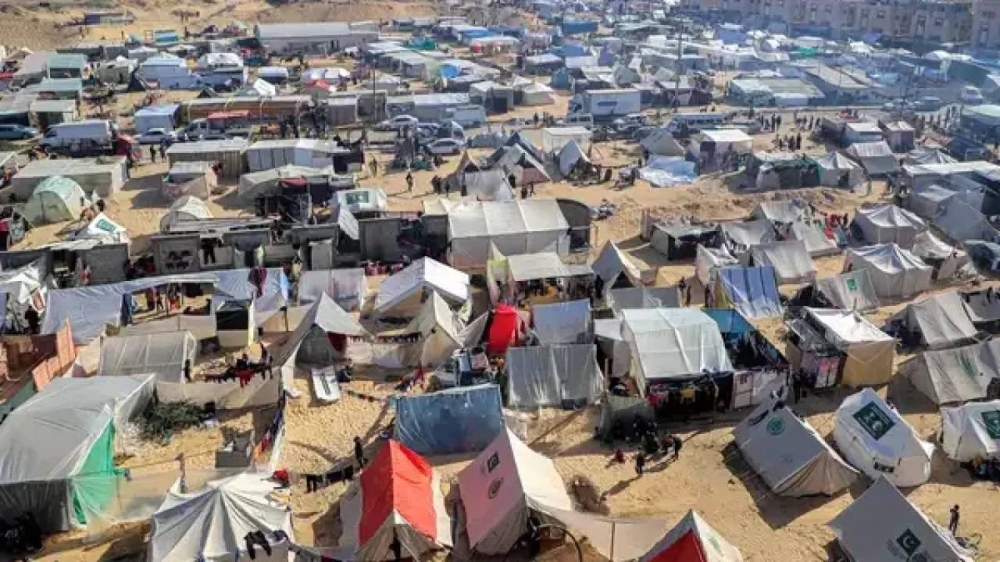
مخيمات النازحين في رفح


تابع قناة عكاظ على الواتساب
«عكاظ» (غزة، جدة) okaz_online@
The "Rafah Plan," which involves relocating hundreds of thousands of Palestinians to a "humanitarian area" within the Gaza Strip, has sparked sharp disagreements between the military and political levels in Israel. Military officials expressed their objections, emphasizing that it could violate international law, and they submitted a petition to the Israeli Supreme Court.
According to Israeli reports, the military's rejection represented an unprecedented challenge to the plan and led to a heated exchange between Chief of Staff Eyal Zamir and Prime Minister Benjamin Netanyahu during a war council meeting.
The Chief of Staff's office issued a response to a petition submitted by several reservists to the Israeli Supreme Court, asking it to rule on whether Israel's actions in Gaza, nearly two years after the October 7, 2023 attacks, have begun to violate international law, as reported by "The Times."
Zamir stated that moving and relocating the population is not part of the war objectives in the sector, and that the army certainly does not force residents to move within or outside the Gaza Strip.
Israeli soldier Avshalom Sal, who participated in submitting the petition alongside two reservist officers, said: "If the mission now is expulsion, occupation, and settlement, as they say, it is an illegal mission and I will not participate in it." He affirmed that this would either lead to an unprecedented confrontation between the army and the state, which we have not witnessed before, or to the army obeying orders and implementing a plan that would harm Israel for generations to come.
The petition was described as the "last resort" for its submitters, who said they "suspect that the leaders of the state and the army are asking them to be partners in a war that is fundamentally based on the forced displacement of civilians."
For his part, a senior Israeli general stated that relocating the residents of Gaza is not a goal of the war, as the aim is to eliminate the Hamas movement, but he claimed that the way to achieve this is by separating the civilian population from the militants by building several camps.
Brigadier General Oren Solomon added: "We do not oppose political directives; we implement them... the disagreement is about how to implement them. We know we cannot create just one site."
He also indicated, "We realize that the humanitarian city will not accommodate all the residents, so we need to build several similar sites."
This week, Israel revealed a new plan to relocate hundreds of thousands of Palestinians in the Gaza Strip to a "humanitarian area," in a move described as unprecedented and which has sparked a wave of criticism from legal experts both inside and outside Israel.
Israeli Defense Minister Israel Katz stated that he has tasked the army with preparing a plan to establish a "humanitarian city" in Rafah to serve as a place where the entire population of the Gaza Strip will eventually be gathered.
The planned city will be built on the ruins of Rafah in the southern sector, and the plan includes relocating about 600,000 Palestinians from the Mawasi area to the new area after a security check, and they will not be allowed to leave afterward. Katz added that if conditions are favorable, work on the city will begin during the sixty-day ceasefire currently being negotiated.
He noted that Israel is seeking international partners to manage the area, explaining that the Israeli army will secure the surrounding area but will not manage the proposed new site or distribute aid.
According to Israeli reports, the military's rejection represented an unprecedented challenge to the plan and led to a heated exchange between Chief of Staff Eyal Zamir and Prime Minister Benjamin Netanyahu during a war council meeting.
The Chief of Staff's office issued a response to a petition submitted by several reservists to the Israeli Supreme Court, asking it to rule on whether Israel's actions in Gaza, nearly two years after the October 7, 2023 attacks, have begun to violate international law, as reported by "The Times."
Zamir stated that moving and relocating the population is not part of the war objectives in the sector, and that the army certainly does not force residents to move within or outside the Gaza Strip.
Israeli soldier Avshalom Sal, who participated in submitting the petition alongside two reservist officers, said: "If the mission now is expulsion, occupation, and settlement, as they say, it is an illegal mission and I will not participate in it." He affirmed that this would either lead to an unprecedented confrontation between the army and the state, which we have not witnessed before, or to the army obeying orders and implementing a plan that would harm Israel for generations to come.
The petition was described as the "last resort" for its submitters, who said they "suspect that the leaders of the state and the army are asking them to be partners in a war that is fundamentally based on the forced displacement of civilians."
For his part, a senior Israeli general stated that relocating the residents of Gaza is not a goal of the war, as the aim is to eliminate the Hamas movement, but he claimed that the way to achieve this is by separating the civilian population from the militants by building several camps.
Brigadier General Oren Solomon added: "We do not oppose political directives; we implement them... the disagreement is about how to implement them. We know we cannot create just one site."
He also indicated, "We realize that the humanitarian city will not accommodate all the residents, so we need to build several similar sites."
This week, Israel revealed a new plan to relocate hundreds of thousands of Palestinians in the Gaza Strip to a "humanitarian area," in a move described as unprecedented and which has sparked a wave of criticism from legal experts both inside and outside Israel.
Israeli Defense Minister Israel Katz stated that he has tasked the army with preparing a plan to establish a "humanitarian city" in Rafah to serve as a place where the entire population of the Gaza Strip will eventually be gathered.
The planned city will be built on the ruins of Rafah in the southern sector, and the plan includes relocating about 600,000 Palestinians from the Mawasi area to the new area after a security check, and they will not be allowed to leave afterward. Katz added that if conditions are favorable, work on the city will begin during the sixty-day ceasefire currently being negotiated.
He noted that Israel is seeking international partners to manage the area, explaining that the Israeli army will secure the surrounding area but will not manage the proposed new site or distribute aid.


