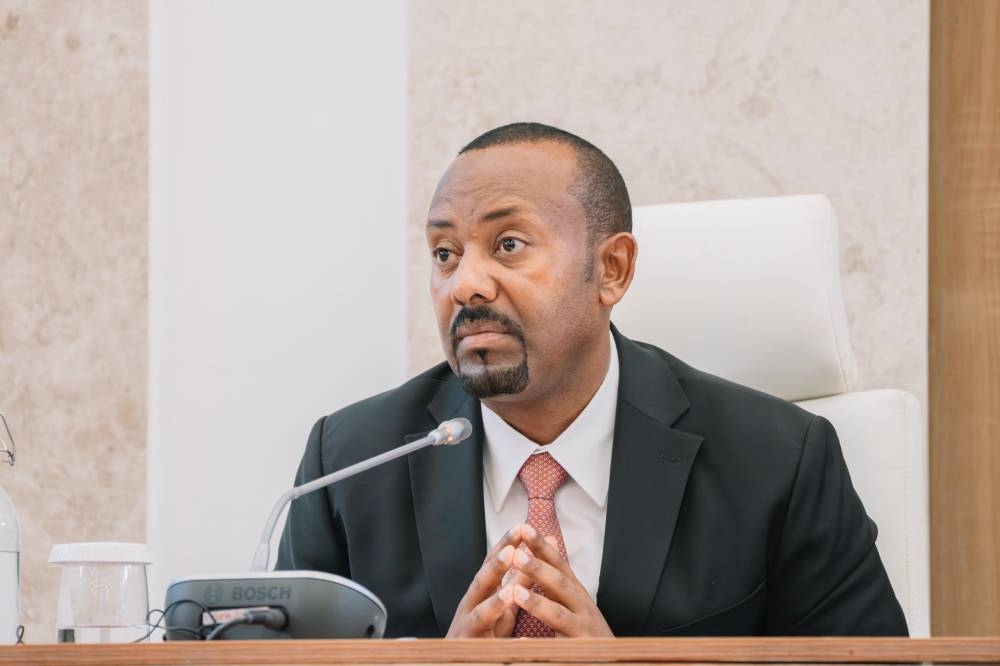
أعلن رئيس الوزراء الإثيوبي الدكتور آبي أحمد اليوم (الخميس) موعد افتتاح بلاده لسد النهضة رغم الخلافات حوله مع دول المصب (مصر والسودان)، مؤكداً أن بلاده ستفتتح السد النهضة رسمياً في سبتمبر القادم بعد انتهاء موسم الأمطار.
ودعا أبي أحمد حكومتي مصر والسودان للمشاركة في هذا الحدث التاريخي، قائلاً في رده على استفسارات أعضاء البرلمان: «أكد أن سد النهضة لن يسبب ضرراً لمصالح مصر والسودان».
وأشار إلى أن سد أسوان لم يفقد حتى لتراً واحداً من مياهه بسبب السد الإثيوبي، مضيفاً: «هناك من يحاول عرقلة افتتاح السد، لكنهم لن يتمكنوا من ذلك».وأبدى رئيس الوزراء الإثيوبي خلال الجلسة الثانية والأربعين لمجلس نواب الشعب، استعداد بلاده لمواصلة الحوار مع الجانب المصري، معلناً عن توجيه دعوة رسمية من على منصة البرلمان لإخوانه في مصر للمشاركة في احتفال الافتتاح عندما يحين سبتمبر وتنتهي الأمطار.ولفت إلى أن المشروع يمثل فرصة للتعاون الإقليمي وليس للصراع، مبيناً أن سد النهضة سيولد طاقة نظيفة تسهم في نهضة اقتصادية لإثيوبيا والمنطقة.وشدد بالقول: «نؤمن بالتقدم المشترك، والمياه المشتركة، والطاقة المشتركة. وازدهار فرد في حوض النيل يعني ازدهار الجميع».
وقال مكتب رئيس الوزراء الإثيوبي: نؤكد التزامنا الثابت بافتتاح السد في الوقت الذي يرى فيه البعض ضرورة عرقلته، مضيفاً: اكتمل الآن بناء سد النهضة وتجرى التحضيرات اللازمة للافتتاح الرسمي قريباً.
وشدد المكتب في بيان بالقول: رسالتنا واضحة لجيراننا سد النهضة ليس تهديدا بل فرصة مشتركة للتعاون والمنفعة.
يُذكر أن هذه التصريحات تأتي في إطار الجهود الدبلوماسية المستمرة لتسوية الخلافات حول ملء وتشغيل السد، بينما تؤكد إثيوبيا عزمها المضي قدماً في المشروع.وتعتمد مصر بشكل كلي على واردات المياه القادمة من النيل الأزرق الذي يمثل 80% من حصتها من مياه النيل، فيما تؤكد دولتا المصب (مصر والسودان) مراراً أن السد سيؤثر بشكل كبير على حصصهما من مياه النيل، خلال جولات عدة من المفاوضات التي لم تسفر عن أي اتفاق.وتشدد القاهرة والخرطوم على ضرورة التوصل أولا إلى اتفاق ملزم مع أديس أبابا بشأن ملء وتشغيل السد، لضمان استمرار تدفق حصتيهما المائية من نهر النيل، بينما ترفض إثيوبيا وتؤكد أنها لا تستهدف الإضرار بدولتي مصب النيل.
The Ethiopian Prime Minister Dr. Abiy Ahmed announced today (Thursday) the date for the inauguration of the Grand Ethiopian Renaissance Dam despite ongoing disputes with the downstream countries (Egypt and Sudan), confirming that his country will officially inaugurate the dam in September after the rainy season ends.
Abiy Ahmed called on the governments of Egypt and Sudan to participate in this historic event, stating in response to inquiries from parliament members: "I confirm that the Grand Ethiopian Renaissance Dam will not harm the interests of Egypt and Sudan."
He pointed out that the Aswan Dam has not lost even a single liter of its water due to the Ethiopian dam, adding: "There are those who are trying to obstruct the inauguration of the dam, but they will not be able to do so." The Ethiopian Prime Minister expressed during the forty-second session of the House of Peoples' Representatives his country's readiness to continue dialogue with the Egyptian side, announcing an official invitation from the parliamentary platform to his brothers in Egypt to participate in the inauguration celebration when September arrives and the rains end. He noted that the project represents an opportunity for regional cooperation, not conflict, indicating that the dam will generate clean energy that contributes to an economic renaissance for Ethiopia and the region. He emphasized by saying: "We believe in joint progress, shared water, and shared energy. The prosperity of one individual in the Nile Basin means the prosperity of all."
The office of the Ethiopian Prime Minister stated: "We reaffirm our firm commitment to inaugurating the dam at a time when some see the necessity of obstructing it," adding: "The construction of the Grand Ethiopian Renaissance Dam is now complete, and the necessary preparations for the official inauguration are underway soon."
The office stressed in a statement: "Our message is clear to our neighbors: the Grand Ethiopian Renaissance Dam is not a threat but a shared opportunity for cooperation and benefit."
It is noteworthy that these statements come within the framework of ongoing diplomatic efforts to resolve disputes over the filling and operation of the dam, while Ethiopia reaffirms its determination to proceed with the project. Egypt relies entirely on water imports coming from the Blue Nile, which represents 80% of its share of Nile water, while the downstream countries (Egypt and Sudan) repeatedly assert that the dam will significantly affect their shares of Nile water, during several rounds of negotiations that have not resulted in any agreement. Cairo and Khartoum emphasize the necessity of reaching a binding agreement with Addis Ababa regarding the filling and operation of the dam to ensure the continued flow of their water shares from the Nile River, while Ethiopia refuses and asserts that it does not aim to harm the downstream countries of the Nile.