على مسرح الصراع الذي لا يهدأ، حيث تُرسم خرائط النفوذ بالنار، لم تكن الـ12 يوماً من المواجهة العسكرية بين إسرائيل وإيران مجرد قصف عابر. بل كانت فصلاً دراماتيكياً في تاريخ طويل من الحروب المتجدّدة التي لا تنتهي بإعلان وقف إطلاق النار، بل تمهّد لمرحلة جديدة من المناورات الدقيقة.
الهدنة التي أُعلنت برعاية أمريكية لا تعني انتهاء الحروب والصراعات، بل هي «استراحة» خفّت خلالها وتيرة العنف من دون أن تُطفأ جذوره. هذه الهدنة جاءت جزءاً من خطة أمريكية محكمة، بعد أن شاركت واشنطن فعلياً في الضربات التي طالت المنشآت النووية الإيرانية، ثم تدخلت لتقييد التصعيد في مشهد يُظهر سعياً واضحاً لإعادة صياغة ميزان القوى في المنطقة، تحت راية «القوة من أجل السلام».
النفوذ الأخطر..
تجاوزت الإدارة الأمريكية دور الوسيط إلى شريك ميداني فعّال. ضربت إيران، ثم احتوت ردها، مسهلة لطهران «ضربة رمزية» على قاعدة العديد الجوية في قطر حتى لا تخرج مهزومة بالكامل، ومن ثم فرضت قواعد جديدة للعبة: تهدئة مشروطة لا تلغي النزاع، بل تنظمه وفق إيقاع أمريكي محكوم بالصفقات والمصالح.
الرئيس الأمريكي دونالد ترمب ظهر كما أراد: ليس رجل حرب بل مهندس تسويات. اكتفى بضربة إستراتيجية موجعة طالت البنية النووية الإيرانية، ثم ترك لإيران هامش الرد لحفظ ماء الوجه، مكرساً نفسه عرّاب مرحلة شرق أوسط جديد، يقوم على «الردع الذكي»، لا على الحروب الطويلة.
هذه الحرب، التي وُصفت بأنها الأخطر والأسرع، لم تكن ساحة لتبادل الصواريخ فحسب، بل لحظة اختبار حاسمة للنفوذ الأخطر؛ لأنها حملت كل عناصر التحوّل إلى حرب إقليمية شاملة، والأسرع لأن طرفيها، إيران وإسرائيل، لم يكونا مستعدَّين لحرب استنزاف بل لحرب محددة بسقف سياسي.
واشنطن خرجت رابحة، لا فقط من حيث تعطيل البرنامج النووي الإيراني جزئياً، بل عبر تثبيت مكانتها لاعباً حاسماً في صياغة التسويات وترويض حلفائها قبل خصومها. فأي مفاوضات نووية قادمة لن تُبنى فقط على نسبة التخصيب، بل ستشمل بنوداً تتعلق بسلوك إيران الإقليمي ونفوذها العسكري، وسط ضغوط لانتزاع تنازلات متراكمة من طهران.
في المقابل، إيران التي لم تهزم، خرجت مثقلة بالخسائر، فقدت منشآت وقيادات وشبكات دعم، وانهارت بعض خطوطها الدفاعية المتقدمة، لكنها بقيت داخل اللعبة، تحاول الآن الدخول إلى طاولة التفاوض من موقع الصمود لا الهزيمة، مطالبة برفع العقوبات أولاً. وبين السطور، تكشف طهران قلقاً من تبدّد ما راكمته في الإقليم خلال العقدين الأخيرين.
أما إسرائيل، فعلى الرغم من تفوقها العسكري الظاهر، خرجت من هذه الجولة وقد تزعزع يقينها بقدرتها على الحسم السريع. لم تستطع تحييد الرد الإيراني بالكامل، ولم تنجح في فرض معادلتها الردعية السابقة، ما أثار تساؤلات داخل مؤسستها الأمنية حول جاهزيتها لحروب خاطفة ذات طابع استراتيجي.
هل تكون
آخر حروب المنطقة؟
مع إعلان الهدنة، تُطرح أسئلة تتجاوز حدود الجبهات التقليدية: هل كانت هذه الحرب القصيرة نهاية عصر المواجهات المباشرة؟ أم بداية لمرحلة جديدة من الاشتباك الخاضع لمعادلات ردع دقيقة؟ الإجابة ليست محسومة. لكن الواضح أن الحرب لم تعد أداة للحسم التام، بل وسيلة لتعديل قواعد اللعبة. منطق «الحرب بالوكالة» يتراجع، والتفوق الجوي لم يعد كافياً لإخضاع الخصوم، والردع لم يعد امتيازاً إسرائيلياً حصرياً. المنطقة تدخل فعلياً في نمط جديد من «السلام القسري»، إذ تُفرض التسويات من موقع الهيمنة العسكرية، لا من خلال اتفاقات نهائية أو تفاهمات شاملة.
الهدنة والرهان على السلام
الهدنة ليست إلا فصلاً مؤجلاً من صراع ممتد، لا بين إيران وإسرائيل فقط، بل بين قوى متعددة تتنازع النفوذ في الشرق الأوسط. إنها لحظة انتقال دقيقة، لا سلام مستدام ولا حرب شاملة، بل اختبار طويل لقدرة القوى الكبرى على ضبط حدود المواجهة من دون الانزلاق الكامل إليها.
مراقبة التحركات السياسية والعسكرية في الأسابيع القادمة ستكشف إلى أين تتجه البوصلة: نحو مفاوضات صعبة تُعيد ترتيب الإقليم، أم نحو تجدد النيران بواجهة جديدة؟ وإلى ذلك الحين، تبقى الهدنة، لا تبشّر بنهاية حرب، بل تنذر ببداية مرحلة أكثر تعقيداً، يُعاد فيها رسم كل شيء، من خرائط الردع، إلى تعريف الحلفاء والخصوم في شرق أوسط لا يزال على فوهة بركان.
12 يوماً من الحرب.. هل تغيّرت قواعد الاشتباك؟
«سلام قسري» بين طهران وتل أبيب
27 يونيو 2025 - 02:28
|
آخر تحديث 27 يونيو 2025 - 02:28
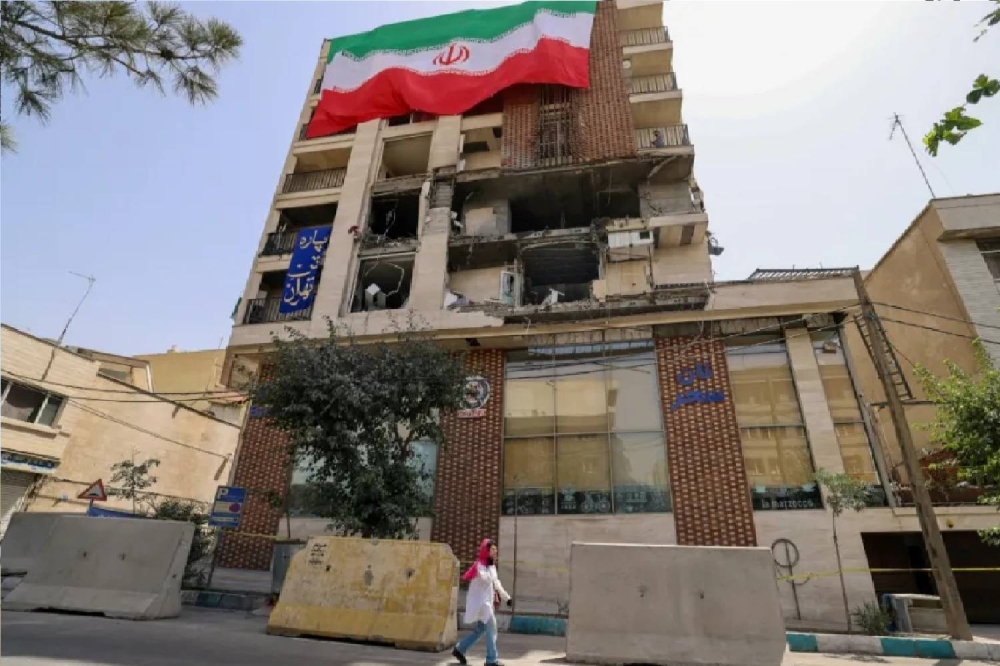
عودة الهدوء إلى طهران بعد 12 يوماً من المواجهات العسكرية


تابع قناة عكاظ على الواتساب
راوية حشمي (بيروت) HechmiRawiya@
On the stage of relentless conflict, where maps of influence are drawn with fire, the 12 days of military confrontation between Israel and Iran were not just a fleeting bombardment. Rather, they were a dramatic chapter in a long history of recurring wars that do not end with a ceasefire announcement but pave the way for a new phase of precise maneuvers.
The ceasefire announced under American sponsorship does not mean the end of wars and conflicts; rather, it is a "break" during which the pace of violence has eased without extinguishing its roots. This ceasefire came as part of a well-crafted American plan, after Washington actively participated in strikes against Iranian nuclear facilities, and then intervened to constrain escalation in a scene that clearly shows an effort to reshape the balance of power in the region under the banner of "power for peace."
The most dangerous influence..
The U.S. administration has moved beyond the role of mediator to that of an effective field partner. Iran was struck, then its response was contained, facilitating for Tehran a "symbolic strike" on Al Udeid Air Base in Qatar so that it would not emerge completely defeated, and then imposed new rules for the game: a conditional calm that does not eliminate the conflict but organizes it according to an American rhythm governed by deals and interests.
U.S. President Donald Trump appeared as he intended: not a man of war but an architect of settlements. He settled for a painful strategic strike that targeted the Iranian nuclear infrastructure, then left Iran a margin for response to save face, establishing himself as the godfather of a new Middle Eastern phase based on "smart deterrence," not on long wars.
This war, described as the most dangerous and fastest, was not just a venue for exchanging missiles but a decisive testing moment for the most dangerous influence; because it carried all the elements of a shift towards a comprehensive regional war, and the speed was due to the fact that both parties, Iran and Israel, were not prepared for a war of attrition but for a war defined by a political ceiling.
Washington emerged victorious, not only in terms of partially disrupting the Iranian nuclear program but also by solidifying its position as a decisive player in shaping settlements and taming its allies before its adversaries. Any upcoming nuclear negotiations will not be based solely on enrichment levels but will include clauses related to Iran's regional behavior and military influence, amid pressures to extract accumulated concessions from Tehran.
In contrast, Iran, which was not defeated, emerged burdened by losses, having lost facilities, leaders, and support networks, and some of its advanced defensive lines collapsed, yet it remained in the game, now trying to enter the negotiation table from a position of resilience rather than defeat, demanding the lifting of sanctions first. Between the lines, Tehran reveals a concern about the dissipating gains it has accumulated in the region over the past two decades.
As for Israel, despite its apparent military superiority, it emerged from this round with its confidence in its ability to achieve quick resolutions shaken. It could not completely neutralize the Iranian response, nor did it succeed in imposing its previous deterrent equation, raising questions within its security establishment about its readiness for rapid wars of a strategic nature.
Could this be
the last war in the region?
With the announcement of the ceasefire, questions arise that go beyond the boundaries of traditional fronts: Was this short war the end of an era of direct confrontations? Or the beginning of a new phase of engagement subject to precise deterrent equations? The answer is not definitive. But it is clear that war is no longer a tool for complete resolution but a means to adjust the rules of the game. The logic of "proxy war" is receding, air superiority is no longer sufficient to subdue adversaries, and deterrence is no longer an exclusive Israeli privilege. The region is effectively entering a new pattern of "coerced peace," where settlements are imposed from a position of military dominance, not through final agreements or comprehensive understandings.
The ceasefire and the bet on peace
The ceasefire is merely a postponed chapter of an extended struggle, not only between Iran and Israel but among multiple powers vying for influence in the Middle East. It is a precise transitional moment, neither a sustainable peace nor a comprehensive war, but a long test of the great powers' ability to manage the boundaries of confrontation without fully slipping into it.
Monitoring political and military movements in the coming weeks will reveal where the compass is heading: towards difficult negotiations that rearrange the region, or towards renewed fires under a new facade? Until then, the ceasefire does not herald the end of a war but warns of the beginning of a more complex phase, in which everything is redrawn, from deterrence maps to the definition of allies and adversaries in a Middle East still on the brink of a volcano.
The ceasefire announced under American sponsorship does not mean the end of wars and conflicts; rather, it is a "break" during which the pace of violence has eased without extinguishing its roots. This ceasefire came as part of a well-crafted American plan, after Washington actively participated in strikes against Iranian nuclear facilities, and then intervened to constrain escalation in a scene that clearly shows an effort to reshape the balance of power in the region under the banner of "power for peace."
The most dangerous influence..
The U.S. administration has moved beyond the role of mediator to that of an effective field partner. Iran was struck, then its response was contained, facilitating for Tehran a "symbolic strike" on Al Udeid Air Base in Qatar so that it would not emerge completely defeated, and then imposed new rules for the game: a conditional calm that does not eliminate the conflict but organizes it according to an American rhythm governed by deals and interests.
U.S. President Donald Trump appeared as he intended: not a man of war but an architect of settlements. He settled for a painful strategic strike that targeted the Iranian nuclear infrastructure, then left Iran a margin for response to save face, establishing himself as the godfather of a new Middle Eastern phase based on "smart deterrence," not on long wars.
This war, described as the most dangerous and fastest, was not just a venue for exchanging missiles but a decisive testing moment for the most dangerous influence; because it carried all the elements of a shift towards a comprehensive regional war, and the speed was due to the fact that both parties, Iran and Israel, were not prepared for a war of attrition but for a war defined by a political ceiling.
Washington emerged victorious, not only in terms of partially disrupting the Iranian nuclear program but also by solidifying its position as a decisive player in shaping settlements and taming its allies before its adversaries. Any upcoming nuclear negotiations will not be based solely on enrichment levels but will include clauses related to Iran's regional behavior and military influence, amid pressures to extract accumulated concessions from Tehran.
In contrast, Iran, which was not defeated, emerged burdened by losses, having lost facilities, leaders, and support networks, and some of its advanced defensive lines collapsed, yet it remained in the game, now trying to enter the negotiation table from a position of resilience rather than defeat, demanding the lifting of sanctions first. Between the lines, Tehran reveals a concern about the dissipating gains it has accumulated in the region over the past two decades.
As for Israel, despite its apparent military superiority, it emerged from this round with its confidence in its ability to achieve quick resolutions shaken. It could not completely neutralize the Iranian response, nor did it succeed in imposing its previous deterrent equation, raising questions within its security establishment about its readiness for rapid wars of a strategic nature.
Could this be
the last war in the region?
With the announcement of the ceasefire, questions arise that go beyond the boundaries of traditional fronts: Was this short war the end of an era of direct confrontations? Or the beginning of a new phase of engagement subject to precise deterrent equations? The answer is not definitive. But it is clear that war is no longer a tool for complete resolution but a means to adjust the rules of the game. The logic of "proxy war" is receding, air superiority is no longer sufficient to subdue adversaries, and deterrence is no longer an exclusive Israeli privilege. The region is effectively entering a new pattern of "coerced peace," where settlements are imposed from a position of military dominance, not through final agreements or comprehensive understandings.
The ceasefire and the bet on peace
The ceasefire is merely a postponed chapter of an extended struggle, not only between Iran and Israel but among multiple powers vying for influence in the Middle East. It is a precise transitional moment, neither a sustainable peace nor a comprehensive war, but a long test of the great powers' ability to manage the boundaries of confrontation without fully slipping into it.
Monitoring political and military movements in the coming weeks will reveal where the compass is heading: towards difficult negotiations that rearrange the region, or towards renewed fires under a new facade? Until then, the ceasefire does not herald the end of a war but warns of the beginning of a more complex phase, in which everything is redrawn, from deterrence maps to the definition of allies and adversaries in a Middle East still on the brink of a volcano.