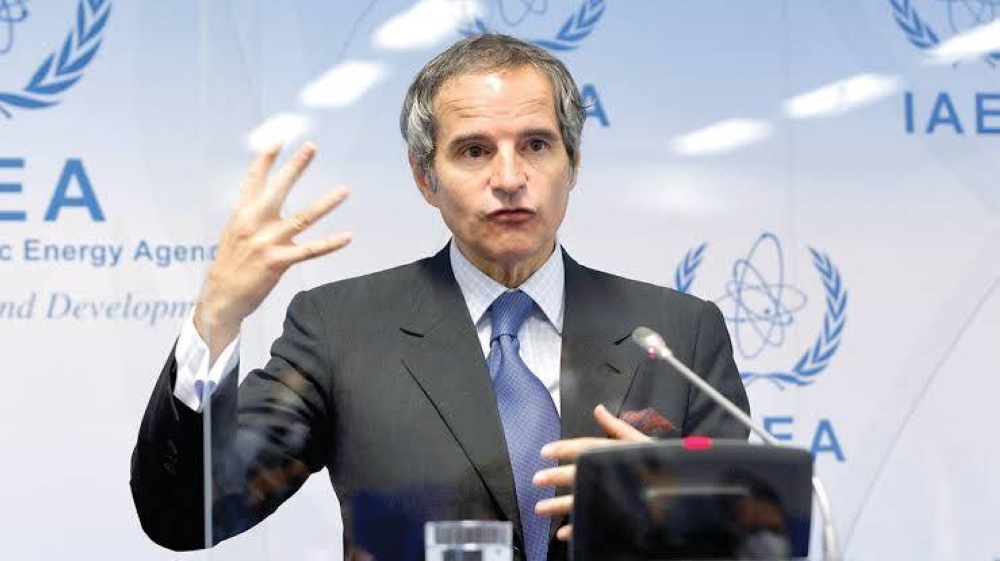
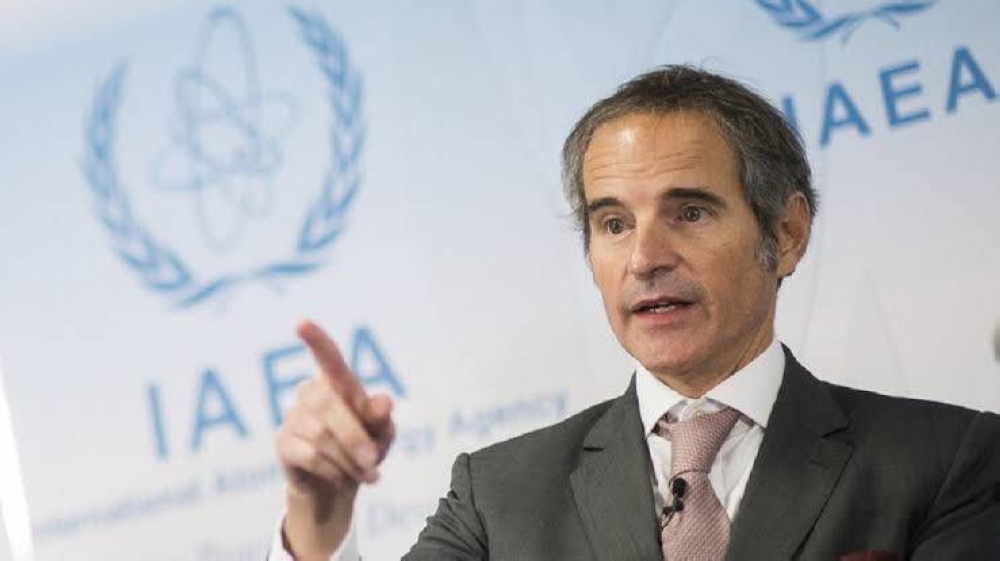
أكد المدير العام للوكالة الدولية للطاقة الذرية رافائيل غروسي أن الأدلة التي جمعتها الوكالة الدولية للطاقة الذرية بشأن البرنامج النووي الإيراني «لا يمكن أن تُستخدم ذريعة لأي عمل عسكري» ضد طهران.
وأوضح غروسي في مقابلة مع شبكة «سي إن إن» الأمريكية أن «العمل العسكري يعد قرارا سياسيا لا علاقة له بتقارير الوكالة»، مؤكداً أنه «ليس هناك ما يدل على وجود برنامج منهجي في إيران لصناعة سلاح نووي»»، وأشار إلى أن مفتشي الوكالة لم يعثروا على دليل ملموس يثبت سعي إيران لامتلاك أسلحة نووية، على الرغم من أن الوضع لا يزال «مثيراً للقلق» بسبب مستويات تخصيب اليورانيوم العالية.
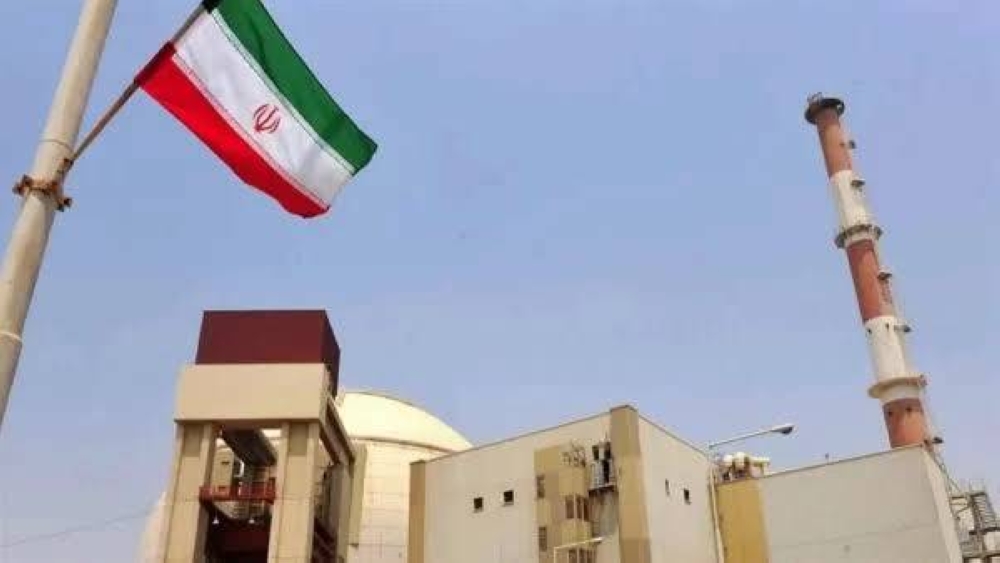
وشدد غروسي على أن الدبلوماسية هي «الطريق الوحيد الممكن» لمعالجة التوترات، مشيراً إلى أن تدمير المنشآت النووية قد يؤدي إلى تدمير الهياكل المادية، لكن «لا يمكن تدمير المعرفة والتقدم التكنولوجي» الذي حققته إيران، معرباً عن استعداده للتواصل مع جميع الأطراف لضمان حماية المنشآت النووية الإيرانية، خصوصاً بعد الهجمات الإسرائيلية التي ألحقت أضراراً بمفاعل خنداب دون تسجيل آثار إشعاعية.
وأثارت تصريحات غروسي ردود فعل متباينة.
من جهة أخرى، رحبت بعض الأطراف الدولية بدعوته للدبلوماسية كحل للأزمة، لكن إيران، ممثلة بوزارة خارجيتها، وجهت انتقادات لاذعة لغروسي، حيث اعتبر المتحدث باسم الخارجية الإيرانية إسماعيل بقائي أن تصريحاته جاءت «متأخرة»، متهماً إياه بإخفاء الحقيقة في تقريره الأخير الذي «استغلته إسرائيل كذريعة لشن هجمات على منشآت نووية إيرانية».
وأضاف بقائي أن غروسي «خان نظام منع الانتشار النووي»، وجعل الوكالة «شريكاً في عدوان ظالم»، مطالباً بمساءلته عن تقاريره المنحازة.
The Director General of the International Atomic Energy Agency, Rafael Grossi, confirmed that the evidence collected by the agency regarding the Iranian nuclear program "cannot be used as a pretext for any military action" against Tehran.
Grossi explained in an interview with the American network "CNN" that "military action is a political decision unrelated to the agency's reports," emphasizing that "there is no indication of a systematic program in Iran for the production of nuclear weapons." He noted that the agency's inspectors have not found concrete evidence proving Iran's pursuit of nuclear weapons, although the situation remains "concerning" due to high levels of uranium enrichment.
Grossi stressed that diplomacy is "the only possible way" to address tensions, pointing out that destroying nuclear facilities could lead to the destruction of physical structures, but "knowledge and technological advancement" achieved by Iran cannot be destroyed. He expressed his willingness to communicate with all parties to ensure the protection of Iranian nuclear facilities, especially after Israeli attacks that damaged the Khondab reactor without recording radiological effects.
Grossi's statements have sparked mixed reactions.
On the other hand, some international parties welcomed his call for diplomacy as a solution to the crisis, but Iran, represented by its Foreign Ministry, sharply criticized Grossi. The spokesperson for the Iranian Foreign Ministry, Ismail Baqaei, considered that his statements came "too late," accusing him of concealing the truth in his recent report, which "Israel exploited as a pretext to launch attacks on Iranian nuclear facilities."
Baqaei added that Grossi "betrayed the nuclear non-proliferation regime" and made the agency "an accomplice in unjust aggression," calling for accountability regarding his biased reports.