


بعد ساعات من الهجوم الإسرائيلي، أعلن التلفزيون الإيراني انسحاب طهران من الجولة السادسة من المحادثات النووية مع الولايات المتحدة، والتي كانت مقررة (الأحد) في العاصمة العمانية مسقط. وقال عضو لجنة الأمن القومي في البرلمان علاء الدين بروجردي: «لن تُعقد الجولة السادسة من المفاوضات مع أمريكا بسبب الهجمات الإسرائيلية».
وشنت إسرائيل هجوماً جوياً واسعاً على مواقع حساسة داخل إيران، مستهدفة منشآت نووية وقواعد عسكرية وقيادات بارزة.
يذكر أن إيران والولايات المتحدة اللتين قطعتا العلاقات الدبلوماسية بينهما قبل أكثر من أربعة عقود، عقدتا 5 جولات من المحادثات منذ شهر أبريل الماضي، بوساطة من سلطنة عُمان. وتريد واشنطن ضمان عدم امتلاك إيران أسلحة نووية، وهو ما تنفي طهران بشدة سعيها إليه، وتطلب في المقابل رفع العقوبات التي تشلّ اقتصادها.
واختلفت الدولتان حول قضية احتفاظ طهران بالقدرة على تخصيب اليورانيوم. ففي حين تطالب الولايات المتحدة إيران بالتخلي عن هذه النشاطات، تعتبرها طهران «حقا» لها غير قابل للتفاوض، تكفله معاهدة حظر الانتشار النووي التي وقّعتها.
وبحسب الوكالة الدولية للطاقة الذرية، فإن إيران هي الدولة الوحيدة غير الحائزة على أسلحة نووية التي تُخصّب اليورانيوم إلى مستوى عالٍ (60%)، ما يتجاوز بكثير حد 3,67% الذي حدده اتفاق 2015 بين طهران والقوى الكبرى.
وكانت جولات التفاوض الخمس التي عقدها الطرفان أعلى مستوى من الاتصال بين البلدين منذ سحب ترمب بلاده من اتفاق العام 2015 خلال ولايته الأولى، معيدا فرض عقوبات على الجمهورية الإسلامية.
وبعد الجولة الخامسة في 31 مايو، قالت إيران إنها تلقت عناصر من اقتراح أمريكي للتوصل إلى اتفاق بشأن الملف النووي، لكنها اعتبرت أنه يحتوي على الكثير من الالتباسات.
بعد الضربات الإسرائيلية.. إيران تنسحب من الجولة السادسة للمفاوضات النووية
13 يونيو 2025 - 13:25
|
آخر تحديث 13 يونيو 2025 - 13:25
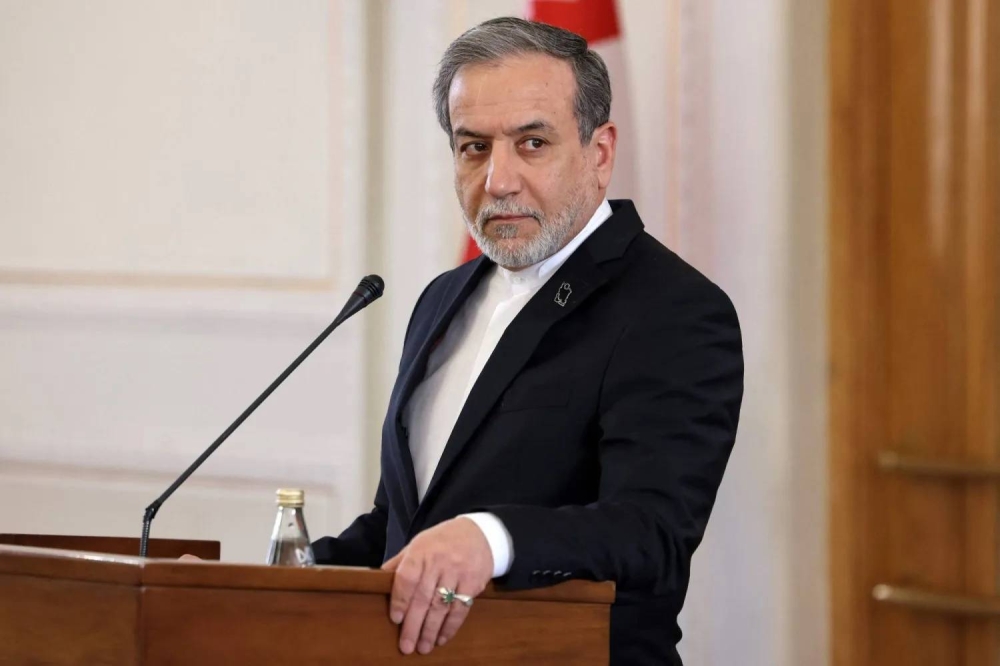
عباس عراقجي


تابع قناة عكاظ على الواتساب
«عكاظ» (طهران) OKAZ_ONLINE@
After hours of the Israeli attack, Iranian television announced Tehran's withdrawal from the sixth round of nuclear talks with the United States, which were scheduled for (Sunday) in the Omani capital, Muscat. A member of the National Security Committee in Parliament, Aladdin Boroujerdi, stated: "The sixth round of negotiations with America will not take place due to the Israeli attacks."
Israel launched a wide-ranging airstrike on sensitive sites within Iran, targeting nuclear facilities, military bases, and prominent leaders.
It is worth noting that Iran and the United States, which severed diplomatic relations over four decades ago, have held five rounds of talks since last April, mediated by Oman. Washington seeks to ensure that Iran does not possess nuclear weapons, which Tehran strongly denies seeking, and in return, it demands the lifting of sanctions that cripple its economy.
The two countries have disagreed over the issue of Tehran retaining the ability to enrich uranium. While the United States demands that Iran abandon these activities, Tehran considers it a "right" that is non-negotiable, guaranteed by the Nuclear Non-Proliferation Treaty it signed.
According to the International Atomic Energy Agency, Iran is the only non-nuclear weapon state that enriches uranium to a high level (60%), far exceeding the 3.67% limit set by the 2015 agreement between Tehran and the major powers.
The five rounds of negotiations held by the two parties represent the highest level of contact between the two countries since Trump withdrew his country from the 2015 agreement during his first term, reimposing sanctions on the Islamic Republic.
After the fifth round on May 31, Iran stated that it had received elements of a U.S. proposal to reach an agreement regarding the nuclear file, but it considered that it contained many ambiguities.
Israel launched a wide-ranging airstrike on sensitive sites within Iran, targeting nuclear facilities, military bases, and prominent leaders.
It is worth noting that Iran and the United States, which severed diplomatic relations over four decades ago, have held five rounds of talks since last April, mediated by Oman. Washington seeks to ensure that Iran does not possess nuclear weapons, which Tehran strongly denies seeking, and in return, it demands the lifting of sanctions that cripple its economy.
The two countries have disagreed over the issue of Tehran retaining the ability to enrich uranium. While the United States demands that Iran abandon these activities, Tehran considers it a "right" that is non-negotiable, guaranteed by the Nuclear Non-Proliferation Treaty it signed.
According to the International Atomic Energy Agency, Iran is the only non-nuclear weapon state that enriches uranium to a high level (60%), far exceeding the 3.67% limit set by the 2015 agreement between Tehran and the major powers.
The five rounds of negotiations held by the two parties represent the highest level of contact between the two countries since Trump withdrew his country from the 2015 agreement during his first term, reimposing sanctions on the Islamic Republic.
After the fifth round on May 31, Iran stated that it had received elements of a U.S. proposal to reach an agreement regarding the nuclear file, but it considered that it contained many ambiguities.


