


في مسعى لكسر الجمود الحالي في محادثات التجارة بين واشنطن وبكين، أجرى الرئيس الأمريكي دونالد ترمب اتصالاً هاتفياً مع الرئيس الصيني شي جين بينغ، بحسب ما أفادت به وكالة الأنباء الصينية (شينخوا) اليوم (الخميس). وأعلنت الخارجية الصينية في بيان أن الاتصال جاء بمبادرة من الرئيس ترمب. وأعلن الرئيس الأمريكي أن الاتصال الهاتفي الذي أجراه مع نظيره الصيني أفضى إلى «خلاصة إيجابية للغاية»، لافتاً إلى أن كلاً منهما دعا الآخر لزيارة بلاده. وكتب ترمب على منصته للتواصل الاجتماعي تروث سوشيال: «دام الاتصال قرابة ساعة ونصف الساعة، وأثمر خلاصة إيجابية للغاية لصالح البلدين». وأعلن أن مسؤولين تجاريين من الطرفين سيلتقون قريباً. وقال: «الرئيس شي دعاني والسيدة الأولى بلباقة لزيارة الصين، وقمت بالمثل. كوننا رئيسين لأمتين عظيمتين، هذا أمر نتطلع كلانا للقيام به». من جهته، شدد الرئيس الصيني خلال المباحثات على ضرورة تصحيح مسار العلاقات الثنائية، وفق ما أوردت وكالة الأنباء الرسمية (شينخوا). وقال شي لترمب: «إن تصحيح مسار سفينة العلاقات الصينية الأمريكية الكبيرة يتطلب منا الإمساك جيداً بالدفة وتحديد الوجهة ولاسيما إزالة كل أشكال التدخل وحتى التدمير».
ووفقاً لتقرير نشرته شبكة «CNBC»، فإن الرئيس ترمب كان حريصاً على التواصل مع نظيره الصيني في ظل تصاعد التوترات التجارية بين البلدين خلال الأسبوع الماضي.
وعلى الرغم من أن واشنطن وبكين خفّضتا مؤقتاً الرسوم الجمركية المتبادلة بعد محادثات بنّاءة في سويسرا الشهر الماضي، إلا أن هذا الاتفاق المبدئي بات مهدداً بالانهيار. واتهمت واشنطن الصين علناً بالتباطؤ في تنفيذ تعهدها بالسماح بتصدير المزيد من المعادن الحيوية، وهي نتيجة تم التوصل إليها خلال مفاوضات جنيف.
في المقابل، أعربت بكين عن استيائها الشديد من القرار الأمريكي الأخير بفرض قيود جديدة على تأشيرات الطلاب الصينيين، واتهمت إدارة ترمب بتقويض التقدم الذي تحقق في التجارة بعد إصدار تحذير للصناعة من استخدام أشباه الموصلات الصينية.
وفرضت الإدارة الأمريكية قيوداً إضافية على صادرات الرقائق الإلكترونية، مبررة هذه الخطوة بأنها ضرورية لحماية الأمن القومي، بينما تعتبرها بكين إجراءات عقابية.
يُذكر أن هذه المكالمة الهاتفية هي الثانية بين الزعيمين منذ بداية العام الحالي، حيث سبق لهما أن تحدثا في 17 يناير الماضي قبيل تنصيب ترمب رسمياً رئيساً.
ونشر ترمب قبل الاتصال الأخير منشوراً على وسائل التواصل الاجتماعي أشاد فيه بالرئيس شي، معبّراً في الوقت نفسه عن إحباطه. وكتب: «أنا معجب بالرئيس شي دائماً، وسأظل كذلك، لكنه شديد الصرامة، ومن الصعب جداً التوصل إلى اتفاق معه».
وتعتبر الصين هدفاً رئيسياً لسياسة ترمب التجارية التي اعتمدت على فرض رسوم جمركية أحادية الجانب بنسب مرتفعة، بهدف إعادة توازن العلاقات التجارية الأمريكية مع العالم.
يذكر أن الرئيس الأمريكي رفع الرسوم على الواردات الصينية إلى 145% في أبريل، بينما خفّض مؤقتاً الرسوم على معظم الدول الأخرى إلى 10%. وردّت بكين بفرض رسوم انتقامية على السلع الأمريكية بنسبة وصلت إلى 125%. وأدت هذه الإجراءات إلى شبه حظر تجاري بين أكبر اقتصادين في العالم، إذ بلغ حجم التبادل التجاري بينهما نحو 600 مليار دولار في عام 2024. إلا أن هذا الجمود بدأ يتراجع منتصف مايو الماضي بعد محادثات جنيف.
ترمب : خلاصة إيجابية للغاية.. وشي يدعو لتصحيح مسار العلاقات
هل تكسر مكالمة الرئيسين الأمريكي والصيني جمود محادثات التجارة ؟
5 يونيو 2025 - 19:39
|
آخر تحديث 5 يونيو 2025 - 19:39
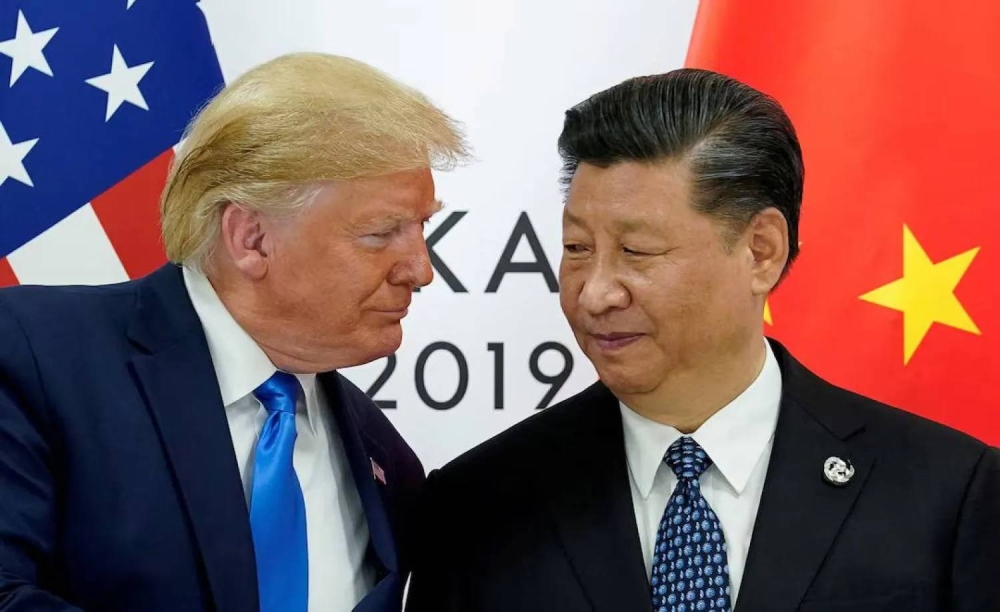
الرئيسان الأمريكي والصيني


تابع قناة عكاظ على الواتساب
«عكاظ» (واشنطن)okaz_online@
In an effort to break the current deadlock in trade talks between Washington and Beijing, U.S. President Donald Trump held a phone call with Chinese President Xi Jinping, according to a report by the Chinese news agency (Xinhua) today (Thursday). The Chinese Foreign Ministry announced in a statement that the call was initiated by President Trump. The U.S. President stated that the phone call he had with his Chinese counterpart resulted in a "very positive outcome," noting that each invited the other to visit their country. Trump wrote on his social media platform Truth Social: "The call lasted about an hour and a half and produced a very positive outcome for both countries." He announced that trade officials from both sides would meet soon. He said: "President Xi graciously invited me and the First Lady to visit China, and I reciprocated. As the leaders of two great nations, this is something we both look forward to doing." For his part, the Chinese President emphasized during the discussions the need to correct the course of bilateral relations, according to the official news agency (Xinhua). Xi told Trump: "Correcting the course of the large ship of China-U.S. relations requires us to firmly grasp the helm and determine the direction, especially to eliminate all forms of interference and even destruction."
According to a report published by CNBC, President Trump was eager to communicate with his Chinese counterpart amid rising trade tensions between the two countries over the past week.
Although Washington and Beijing temporarily reduced mutual tariffs after constructive talks in Switzerland last month, this preliminary agreement is now threatened with collapse. Washington publicly accused China of slowing down its commitment to allow the export of more critical minerals, a result reached during the Geneva negotiations.
In contrast, Beijing expressed its strong dissatisfaction with the recent U.S. decision to impose new restrictions on Chinese student visas, accusing the Trump administration of undermining the progress made in trade after issuing a warning to the industry against using Chinese semiconductors.
The U.S. administration imposed additional restrictions on semiconductor exports, justifying this step as necessary to protect national security, while Beijing views it as punitive measures.
It is worth noting that this phone call is the second between the two leaders since the beginning of this year, as they previously spoke on January 17, just before Trump was officially inaugurated as President.
Before the recent call, Trump posted on social media praising President Xi while also expressing his frustration. He wrote: "I have always admired President Xi, and I will continue to do so, but he is very tough, and it is very difficult to reach an agreement with him."
China is a primary target of Trump's trade policy, which relied on imposing high unilateral tariffs to rebalance U.S. trade relations with the world.
It is noted that the U.S. President raised tariffs on Chinese imports to 145% in April, while temporarily reducing tariffs on most other countries to 10%. Beijing responded by imposing retaliatory tariffs on U.S. goods of up to 125%. These measures led to a near trade blockade between the world's two largest economies, with trade volume between them reaching about $600 billion in 2024. However, this deadlock began to ease in mid-May after the Geneva talks.
According to a report published by CNBC, President Trump was eager to communicate with his Chinese counterpart amid rising trade tensions between the two countries over the past week.
Although Washington and Beijing temporarily reduced mutual tariffs after constructive talks in Switzerland last month, this preliminary agreement is now threatened with collapse. Washington publicly accused China of slowing down its commitment to allow the export of more critical minerals, a result reached during the Geneva negotiations.
In contrast, Beijing expressed its strong dissatisfaction with the recent U.S. decision to impose new restrictions on Chinese student visas, accusing the Trump administration of undermining the progress made in trade after issuing a warning to the industry against using Chinese semiconductors.
The U.S. administration imposed additional restrictions on semiconductor exports, justifying this step as necessary to protect national security, while Beijing views it as punitive measures.
It is worth noting that this phone call is the second between the two leaders since the beginning of this year, as they previously spoke on January 17, just before Trump was officially inaugurated as President.
Before the recent call, Trump posted on social media praising President Xi while also expressing his frustration. He wrote: "I have always admired President Xi, and I will continue to do so, but he is very tough, and it is very difficult to reach an agreement with him."
China is a primary target of Trump's trade policy, which relied on imposing high unilateral tariffs to rebalance U.S. trade relations with the world.
It is noted that the U.S. President raised tariffs on Chinese imports to 145% in April, while temporarily reducing tariffs on most other countries to 10%. Beijing responded by imposing retaliatory tariffs on U.S. goods of up to 125%. These measures led to a near trade blockade between the world's two largest economies, with trade volume between them reaching about $600 billion in 2024. However, this deadlock began to ease in mid-May after the Geneva talks.


