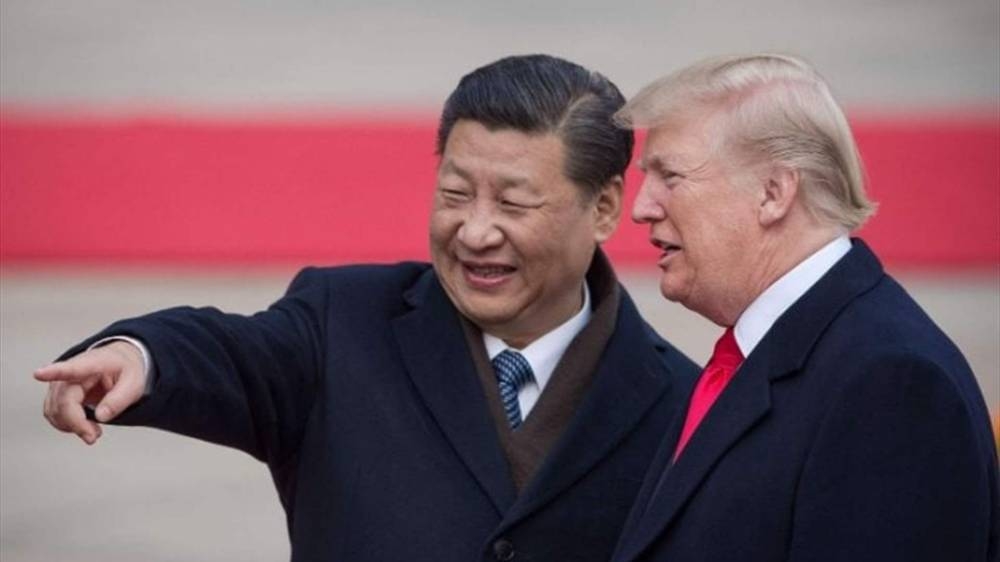
وسط حرب تجارية محتدمة بشأن الرسوم الجمركية، وصف الرئيس الأمريكي دونالد ترمب نظيره الصيني شي جين بينغ، بأنه «صارم»، ومن الصعب للغاية إبرام صفقة معه. وقال ترمب في منشور على منصتة «تروث سوشيال»، اليوم (الأربعاء) «أنا أحب الرئيس شي، ودائماً ما أحببته وسأظل كذلك، لكنه صارم جداً ومن الصعب للغاية التوصل إلى اتفاق معه».
وكانت السكرتيرة الصحفية للبيت الأبيض كارولين ليفيت، أعلنت،الإثنين، أن ترمب سيتحدث مع شي هذا الأسبوع، إذ يسعى الزعيمان إلى تسوية الخلافات حول اتفاقية الرسوم الجمركية المبرمة الشهر الماضي في جنيف، من بين قضايا تجارية أوسع نطاقاً.
وقضت محكمة تجارية أمريكية الأسبوع الماضي بأن ترمب تجاوز سلطته بفرض الجزء الأكبر من رسومه الجمركية على الواردات من الصين ودول أخرى بموجب قانون صلاحيات الطوارئ.
وبعد أقل من 24 ساعة، أعادت محكمة استئناف فيدرالية فرض الرسوم الجمركية، قائلة إنها ستوقف قرار محكمة التجارة مؤقتاً للنظر في استئناف الحكومة.
وكشفت صحيفة وول ستريت جورنال، أن الهدنة التجارية بين الولايات المتحدة والصين تواجه خطر الانهيار، في ظل تباطؤ بكين في تصدير المعادن النادرة، ما أثار اتهامات أمريكية لها بالتراجع عن التزاماتها بموجب الاتفاق.
وأفصحت مصادر مطلعة على التفاصيل، أن التوصل إلى الاتفاق في جنيف في شهر مايو الماضي كان مشروطاً بتنازل من بكين بشأن تصدير المعادن الحيوية. فقد قدم المفاوضون الأمريكيون لنائب رئيس الوزراء الصيني، هي ليفنغ، طلباً صريحاً باستئناف صادرات الصين من المعادن النادرة، مقابل التزام أمريكي بهدنة جمركية تمتد 90 يوماً. وهو ما وافق عليه المسؤول الصيني في الساعات الأخيرة من محادثات ماراثونية جمعته بوزير الخزانة الأمريكي سكوت بيسنت والممثل التجاري جيميسون غرير.
وعلّق الطرفان بموجب الاتفاق، معظم الرسوم الجمركية المفروضة بينهما، وهو ما لاقى ترحيباً كبيراً من المستثمرين العالميين والشركات، لكن بكين، ومنذ اتفاق جنيف، تواصل التباطؤ في إصدار تراخيص تصدير المعادن النادرة وعناصر أخرى تدخل في صناعة السيارات والرقائق الإلكترونية وغيرها من المنتجات الحيوية.
وكان ترمب اتهم الصين علناً بعدم الوفاء بالتزاماتها. وكتب على منصته: «الصين، وربما ليس من المستغرب للبعض، انتهكت الاتفاق بالكامل معنا». فيما اتهم الممثل التجاري الأمريكي، الصين بأنها «تتلكأ» في تنفيذ الاتفاق، مشيراً إلى المعادن النادرة كمصدر للخلاف.
وبحسب «وول ستريت جورنال»، فإن نائب رئيس الوزراء هي ليفنغ، والذي يعد الذراع الاقتصادية للرئيس شي جين بينغ، بدأ في التراجع عن الالتزامات المتعلقة بالمعادن النادرة بعد أن أصدرت وزارة التجارة الأمريكية، في 12 مايو، تحذيراً ضد استخدام رقائق الذكاء الاصطناعي «Ascend» التي تنتجها شركة «هواوي» في أي مكان حول العالم، وهو ما اعتبرته بكين تصعيداً أمريكياً جديداً، وقدمت احتجاجاً رسمياً لواشنطن.
ونقل المسؤولون الأمريكيون لفريق «هي» أن التوجيه بشأن رقائق Ascend ليس سوى إعادة تأكيد للسياسة الأمريكية المعمول بها، مؤكدين أنه يتعين على الصين تنفيذ ما تعهدت به، إلا أن هذه الرسائل لم تؤتِ ثمارها حتى الآن، إذ لا تزال بكين تعرقل الموافقات على التراخيص.
ترمب: الرئيس الصيني «صارم جداً».. وصعب إبرام صفقة معه
4 يونيو 2025 - 14:18
|
آخر تحديث 4 يونيو 2025 - 14:18
Doc-P-858009-638846180663982713


تابع قناة عكاظ على الواتساب
«عكاظ» (واشنطن، جدة)okaz_online@
In the midst of an intense trade war over tariffs, U.S. President Donald Trump described his Chinese counterpart Xi Jinping as "tough" and extremely difficult to strike a deal with. Trump said in a post on his platform "Truth Social" today (Wednesday), "I love President Xi, I have always loved him and I will continue to do so, but he is very tough and it is extremely difficult to reach an agreement with him."
White House Press Secretary Caroline Levitt announced on Monday that Trump would speak with Xi this week, as the two leaders seek to resolve disputes over the tariff agreement reached last month in Geneva, among broader trade issues.
A U.S. trade court ruled last week that Trump overstepped his authority by imposing most of his tariffs on imports from China and other countries under the Emergency Powers Act.
Less than 24 hours later, a federal appeals court reinstated the tariffs, stating it would temporarily halt the trade court's decision while considering the government's appeal.
The Wall Street Journal revealed that the trade truce between the United States and China is at risk of collapse, as Beijing slows its exports of rare earth metals, prompting U.S. accusations that it is backtracking on its commitments under the agreement.
Sources familiar with the details disclosed that reaching the agreement in Geneva last May was contingent on a concession from Beijing regarding the export of critical minerals. U.S. negotiators presented a clear request to Chinese Vice Premier He Lifeng to resume China's exports of rare earth metals in exchange for a U.S. commitment to a 90-day tariff truce. This was agreed upon by the Chinese official in the final hours of marathon talks with U.S. Treasury Secretary Scott Pruitt and Trade Representative Jameson Greer.
Under the agreement, both sides suspended most of the tariffs imposed between them, which was met with great enthusiasm from global investors and companies. However, since the Geneva agreement, Beijing has continued to slow the issuance of export licenses for rare earth metals and other elements used in automotive, semiconductor, and other critical products.
Trump publicly accused China of failing to meet its obligations. He wrote on his platform, "China, and perhaps not surprisingly to some, has completely violated the agreement with us." Meanwhile, the U.S. Trade Representative accused China of "stalling" on implementing the agreement, pointing to rare earth metals as a source of contention.
According to the Wall Street Journal, Vice Premier He Lifeng, who is considered the economic arm of President Xi Jinping, began to backtrack on commitments related to rare earth metals after the U.S. Department of Commerce issued a warning on May 12 against using "Ascend" artificial intelligence chips produced by Huawei anywhere in the world, which Beijing viewed as a new U.S. escalation and lodged a formal protest with Washington.
U.S. officials conveyed to He’s team that the directive regarding Ascend chips is merely a reaffirmation of existing U.S. policy, emphasizing that China must fulfill its commitments. However, these messages have not borne fruit so far, as Beijing continues to obstruct approvals for licenses.
White House Press Secretary Caroline Levitt announced on Monday that Trump would speak with Xi this week, as the two leaders seek to resolve disputes over the tariff agreement reached last month in Geneva, among broader trade issues.
A U.S. trade court ruled last week that Trump overstepped his authority by imposing most of his tariffs on imports from China and other countries under the Emergency Powers Act.
Less than 24 hours later, a federal appeals court reinstated the tariffs, stating it would temporarily halt the trade court's decision while considering the government's appeal.
The Wall Street Journal revealed that the trade truce between the United States and China is at risk of collapse, as Beijing slows its exports of rare earth metals, prompting U.S. accusations that it is backtracking on its commitments under the agreement.
Sources familiar with the details disclosed that reaching the agreement in Geneva last May was contingent on a concession from Beijing regarding the export of critical minerals. U.S. negotiators presented a clear request to Chinese Vice Premier He Lifeng to resume China's exports of rare earth metals in exchange for a U.S. commitment to a 90-day tariff truce. This was agreed upon by the Chinese official in the final hours of marathon talks with U.S. Treasury Secretary Scott Pruitt and Trade Representative Jameson Greer.
Under the agreement, both sides suspended most of the tariffs imposed between them, which was met with great enthusiasm from global investors and companies. However, since the Geneva agreement, Beijing has continued to slow the issuance of export licenses for rare earth metals and other elements used in automotive, semiconductor, and other critical products.
Trump publicly accused China of failing to meet its obligations. He wrote on his platform, "China, and perhaps not surprisingly to some, has completely violated the agreement with us." Meanwhile, the U.S. Trade Representative accused China of "stalling" on implementing the agreement, pointing to rare earth metals as a source of contention.
According to the Wall Street Journal, Vice Premier He Lifeng, who is considered the economic arm of President Xi Jinping, began to backtrack on commitments related to rare earth metals after the U.S. Department of Commerce issued a warning on May 12 against using "Ascend" artificial intelligence chips produced by Huawei anywhere in the world, which Beijing viewed as a new U.S. escalation and lodged a formal protest with Washington.
U.S. officials conveyed to He’s team that the directive regarding Ascend chips is merely a reaffirmation of existing U.S. policy, emphasizing that China must fulfill its commitments. However, these messages have not borne fruit so far, as Beijing continues to obstruct approvals for licenses.