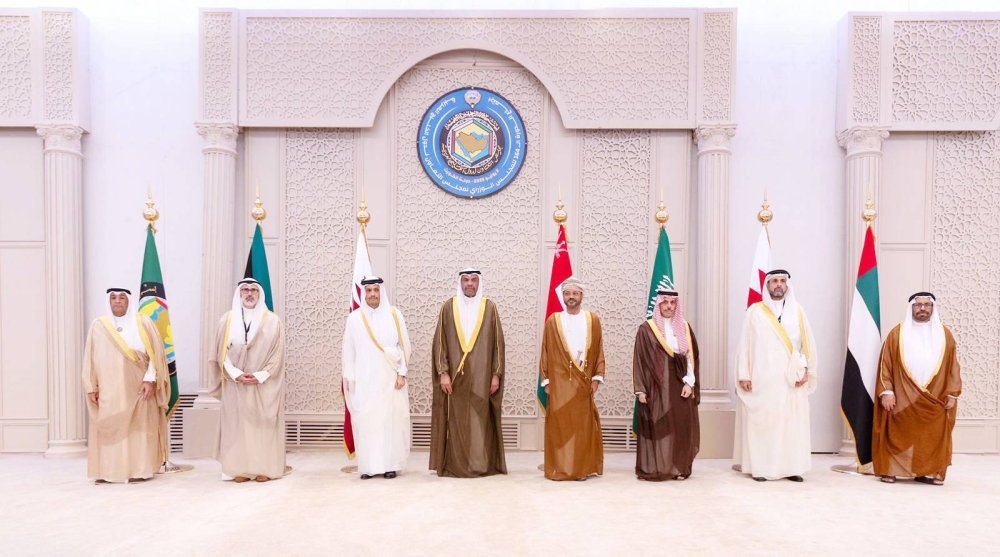
أكد وزراء خارجية دول مجلس التعاون الخليجي اليوم (الإثنين) على أهمية احترام العراق لسيادة دولة الكويت، مشددين على أن حقل الدرة يقع بأكمله في المناطق البحرية الكويتية.
وشدد الوزراء خلال اجتماعهم الوزاري في دورته الـ 164 بالكويت، على ملكية الثروات الطبيعية في المنطقة المغمورة المقسومة المحاذية للمنطقة المقسومة السعودية - الكويتية، بما فيها حقل الدرة بكامله، ملكية مشتركة بين السعودية والكويت فقط، مجدداً التأكيد على أن الكويت والسعودية لهما وحدهما كامل الحقوق لاستغلال الثروات الطبيعية في تلك المنطقة، وفقاً لأحكام القانون الدولي، واستناداً إلى الاتفاقيات المبرمة والنافذة بينهما.
وأعلن الوزراء الخليجيون رفضهم القاطع لأي ادعاءات بوجود حقوق أي طرف آخر في هذا الحقل أو المنطقة المغمورة المحاذية للمنطقة المقسومة بحدودها المعينة بين السعودية والكويت.
وناقش الوزراء نتائج المشاورات بشأن تنفيذ قرار المجلس الوزاري في دورته الـ 33 بشأن مقترح الملك السعودي الرحال عبدالله بن عبدالعزيز بالانتقال من مرحلة التعاون إلى مرحلة الاتحاد، وتوجيه المجلس الوزاري بالاستمرار في مواصلة الجهود للانتقال إلى مرحلة الاتحاد، وتكليفه المجلس الوزاري ورئيس الهيئة المتخصصة باستكمال اتخاذ الإجراءات اللازمة لذلك، ورفع ما يتم التوصل إليه إلى المجلس الوزاري.
وشدد المجلس الوزاري الخليجي على المواقف الخليجية الثابتة بشأن إدانة استمرار احتلال إيران للجزر الثلاث (طنب الكبرى وطنب الصغرى وأبو موسى) التابعة للإمارات، مجدداً التأكيد على دعم حق السيادة للإمارات على جزرها الثلاث وعلى المياه الإقليمية والإقليم الجوي والجرف القاري والمنطقة الاقتصادية الخالصة للجزر الثلاث باعتبارها جزءاً لا يتجزأ من أراضي الإمارات العربية المتحدة.
واعتبر الوزاري الخليجي أن أي قرارات أو ممارسات أو أعمال تقوم بها إيران على الجزر الثلاث باطلة ولاغية ولا تغير شيئاً من الحقائق التاريخية والقانونية التي تُجمع على حق سيادة الإمارات على جزرها الثلاث، داعين إيران للاستجابة لمساعي الإمارات لحل القضية عن طريق المفاوضات المباشرة أو اللجوء إلى محكمة العدل الدولية.
ودان المجلس الوزاري استمرار إيران ببناء منشآت سكنية لتوطين الإيرانيين في الجزر الإماراتية الثلاث المحتلة من قبل إيران، والمواقف والإجراءات التصعيدية التي قامت بها إيران.
وتطرق الوزاري الخليجي في اجتماعه إلى قضايا المنطقة، مؤكداً وقوفه إلى جانب الفلسطينيين في قطاع غزة، ورفع المعاناة عن الشعب الفلسطيني، وإنهاء الحصار المفروض على القطاع، وفتح جميع المعابر لدخول المساعدات الإنسانية والإغاثية والاحتياجات الأساسية وضمان تأمين وصولها بشكل مستمر لسكان قطاع غزة، وضرورة توفير الحماية الدولية للشعب الفلسطيني، والامتناع عن استهدافهم، والامتثال والالتزام بالقانون الدولي والقانون الدولي الإنساني وقرارات مجلس الأمن ذات الصلة دون استثناء.
وأعرب المجلس الوزاري عن قلقه من تطورات الملف النووي الإيراني، مؤكداً أهمية الإسراع في التوصل إلى تفاهمات بناءة بهذا الشأن للحفاظ على أمن واستقرار المنطقة، وعلى استعداد دول المجلس للتعاون والتعامل بشكل فعال مع هذا الملف.
وشدد المجلس على ضرورة مشاركتها في جميع المفاوضات والمباحثات والاجتماعات الإقليمية والدولية المتعلقة به.
وفيما يتعلق باليمن، رحب المجلس الوزاري بإعلان سلطنة عُمان، التوصل إلى وقف إطلاق النار في اليمن، بهدف حماية الملاحة والتجارة الدولية.
وشدد المجلس الوزاري على أهمية خفض التصعيد للمحافظة على أمن واستقرار المنطقة، واحترام حق الملاحة البحرية فيها، وفقاً لأحكام القانون الدولي، كما أدان استمرار التدخلات الأجنبية في الشؤون الداخلية لليمن، وتهريب الخبراء العسكريين والأسلحة إلى الحوثي، في مخالفة صريحة لقرارات مجلس الأمن 2216 و2231 و 2624.
وجدد المجلس الوزاري دعمه لكافة الجهود الرامية للتوصل إلى حل سياسي شامل للأزمة اليمنية، بما يحقق الأمن والاستقرار لليمن والمنطقة.
وبخصوص الشراكة بين مجلس التعاون والعراق، أكد المجلس المضي قدماً في إنجاز مشروع الربط الكهربائي لربط العراق بشبكة الكهرباء في دول مجلس التعاون، لتحقيق قدر أكبر من التكامل والترابط بين العراق ودول المجلس، بما يحقق مصالحهما المشتركة ويمهد الطريق لمزيد من التعاون في المستقبل.
وتطرق المجلس الوزاري إلى الأوضاع في سورية، مشدداً على أهمية احترام سيادة سورية واستقلالها ووحدة أراضيها، ورفض التدخلات الأجنبية في شؤونها الداخلية.
وأشار إلى أن أمن سورية واستقرارها ركيزة أساسية من ركائز استقرار أمن المنطقة، مرحباً باستجابة الرئيس الأمريكي دونالد ترمب لطلب السعودية رفع العقوبات عن سورية.
وأشاد المجلس الوزاري بجهود السعودية وقطر بسداد متأخرات سورية لدى مجموعة البنك الدولي بهدف تسريع وتيرة تعافي اقتصاد سورية، مرحباً بنتائج مؤتمر المانحين التاسع بشأن سورية المنعقد في بروكسل بتاريخ 17 مارس 2025، والذي بلغت إجمالي التعهدات فيه 5,8 مليار يورو.
وشدد على دعم جهود الحكومة السورية وحشد الجهود الدولية لتنسيق التعاون في دعم اقتصاد سورية.
وفيما يتعلق بلبنان، أكد المجلس الوزاري دعمه لمسار الإصلاح وبناء الدولة اللبنانية، آملاً أن يستعيد لبنان الأمن والسلام، وتحقيق تطلعات الشعب اللبناني في الاستقرار والرخاء والتنمية، منوهاً بالمساعدات المقدمة من دوله إلى الشعب اللبناني.
وفي سياق آخر، رحب البيان الخليجي باتفاق وقف إطلاق النار بين الهند وباكستان، وتغليبهما الحكمة وضبط النفس، آملاً أن يفضي هذا الاتفاق إلى استعادة الأمن والسلم في المنطقة، مشيداً بجهود السعودية لوقف التصعيد وإنهاء المواجهات العسكرية.
وأشاد المجلس بجهود الرياض الدبلوماسية واستضافتها للمحادثات بين روسيا، وأمريكا، بشأن الأزمة الأوكرانية، متطلعاً أن تفضي هذه المحادثات إلى تحقيق أهدافها المنشودة في تعزيز الأمن والاستقرار.
أكدوا دعم الإمارات في سيادتها على جزرها المحتلة من إيران
مجلس التعاون الخليجي يشدد على ضرورة احترام العراق لسيادة الكويت
2 يونيو 2025 - 18:39
|
آخر تحديث 2 يونيو 2025 - 18:39


تابع قناة عكاظ على الواتساب
«عكاظ» (الكويت) okaz_online@
The foreign ministers of the Gulf Cooperation Council (GCC) countries emphasized today (Monday) the importance of Iraq respecting the sovereignty of the State of Kuwait, stressing that the Durra field is entirely located within Kuwaiti maritime areas.
During their 164th ministerial meeting in Kuwait, the ministers reiterated that the natural resources in the divided submerged area adjacent to the Saudi-Kuwaiti divided area, including the entire Durra field, are jointly owned by Saudi Arabia and Kuwait only. They reaffirmed that Kuwait and Saudi Arabia alone have full rights to exploit the natural resources in that area, in accordance with international law and based on the agreements in force between them.
The Gulf ministers announced their firm rejection of any claims of rights by any other party in this field or the submerged area adjacent to the divided area with its defined borders between Saudi Arabia and Kuwait.
The ministers discussed the results of consultations regarding the implementation of the council's decision in its 33rd session concerning the proposal of the late Saudi King Abdullah bin Abdulaziz to move from a stage of cooperation to a stage of union, directing the council to continue efforts to transition to the stage of union and assigning the council and the head of the specialized authority to complete the necessary procedures for that, and to report the findings to the council.
The Gulf ministerial council emphasized the steadfast Gulf positions condemning Iran's continued occupation of the three islands (Greater Tunb, Lesser Tunb, and Abu Musa) belonging to the UAE, reaffirming support for the UAE's sovereignty over its three islands, its territorial waters, airspace, continental shelf, and exclusive economic zone, considering them an integral part of the United Arab Emirates.
The Gulf ministerial council considered any decisions, practices, or actions taken by Iran on the three islands to be null and void, and that they do not change any of the historical and legal facts that affirm the UAE's sovereignty over its three islands, calling on Iran to respond to the UAE's efforts to resolve the issue through direct negotiations or by resorting to the International Court of Justice.
The council condemned Iran's continued construction of residential facilities to settle Iranians on the three UAE islands occupied by Iran, as well as the escalatory positions and actions taken by Iran.
The Gulf ministerial council addressed regional issues in its meeting, affirming its support for the Palestinians in the Gaza Strip, alleviating the suffering of the Palestinian people, ending the blockade imposed on the Strip, opening all crossings for the entry of humanitarian and relief aid and basic needs, and ensuring their continuous delivery to the residents of the Gaza Strip. It also emphasized the necessity of providing international protection for the Palestinian people, refraining from targeting them, and complying with and adhering to international law, international humanitarian law, and relevant Security Council resolutions without exception.
The council expressed its concern over developments in the Iranian nuclear file, emphasizing the importance of expediting constructive understandings in this regard to maintain the security and stability of the region, and the readiness of the council's countries to cooperate and effectively engage with this file.
The council stressed the necessity of their participation in all negotiations, discussions, and regional and international meetings related to it.
Regarding Yemen, the council welcomed the announcement by the Sultanate of Oman of reaching a ceasefire in Yemen, aimed at protecting navigation and international trade.
The council emphasized the importance of de-escalation to maintain security and stability in the region, and respecting the right to maritime navigation therein, in accordance with international law. It also condemned the continued foreign interventions in Yemen's internal affairs and the smuggling of military experts and weapons to the Houthis, in clear violation of Security Council resolutions 2216, 2231, and 2624.
The council renewed its support for all efforts aimed at reaching a comprehensive political solution to the Yemeni crisis, achieving security and stability for Yemen and the region.
Regarding the partnership between the GCC and Iraq, the council confirmed its commitment to advancing the electrical interconnection project to connect Iraq to the electricity grid of the GCC countries, to achieve greater integration and connectivity between Iraq and the council's countries, thereby serving their common interests and paving the way for further cooperation in the future.
The ministerial council addressed the situation in Syria, emphasizing the importance of respecting Syria's sovereignty, independence, and territorial integrity, and rejecting foreign interventions in its internal affairs.
It noted that Syria's security and stability are fundamental pillars of regional security and stability, welcoming U.S. President Donald Trump's response to Saudi Arabia's request to lift sanctions on Syria.
The council praised the efforts of Saudi Arabia and Qatar in settling Syria's arrears with the World Bank Group to accelerate the pace of Syria's economic recovery, welcoming the results of the ninth donors' conference for Syria held in Brussels on March 17, 2025, which totaled €5.8 billion in pledges.
It emphasized support for the efforts of the Syrian government and mobilizing international efforts to coordinate cooperation in support of Syria's economy.
Regarding Lebanon, the council confirmed its support for the reform process and the building of the Lebanese state, hoping that Lebanon would regain security and peace, and achieve the aspirations of the Lebanese people for stability, prosperity, and development, noting the assistance provided by its countries to the Lebanese people.
In another context, the Gulf statement welcomed the ceasefire agreement between India and Pakistan, commending their wisdom and restraint, hoping that this agreement would lead to the restoration of security and peace in the region, and praising Saudi Arabia's efforts to halt escalation and end military confrontations.
The council praised Riyadh's diplomatic efforts and its hosting of talks between Russia and the U.S. regarding the Ukrainian crisis, looking forward to these talks achieving their desired goals of enhancing security and stability.
During their 164th ministerial meeting in Kuwait, the ministers reiterated that the natural resources in the divided submerged area adjacent to the Saudi-Kuwaiti divided area, including the entire Durra field, are jointly owned by Saudi Arabia and Kuwait only. They reaffirmed that Kuwait and Saudi Arabia alone have full rights to exploit the natural resources in that area, in accordance with international law and based on the agreements in force between them.
The Gulf ministers announced their firm rejection of any claims of rights by any other party in this field or the submerged area adjacent to the divided area with its defined borders between Saudi Arabia and Kuwait.
The ministers discussed the results of consultations regarding the implementation of the council's decision in its 33rd session concerning the proposal of the late Saudi King Abdullah bin Abdulaziz to move from a stage of cooperation to a stage of union, directing the council to continue efforts to transition to the stage of union and assigning the council and the head of the specialized authority to complete the necessary procedures for that, and to report the findings to the council.
The Gulf ministerial council emphasized the steadfast Gulf positions condemning Iran's continued occupation of the three islands (Greater Tunb, Lesser Tunb, and Abu Musa) belonging to the UAE, reaffirming support for the UAE's sovereignty over its three islands, its territorial waters, airspace, continental shelf, and exclusive economic zone, considering them an integral part of the United Arab Emirates.
The Gulf ministerial council considered any decisions, practices, or actions taken by Iran on the three islands to be null and void, and that they do not change any of the historical and legal facts that affirm the UAE's sovereignty over its three islands, calling on Iran to respond to the UAE's efforts to resolve the issue through direct negotiations or by resorting to the International Court of Justice.
The council condemned Iran's continued construction of residential facilities to settle Iranians on the three UAE islands occupied by Iran, as well as the escalatory positions and actions taken by Iran.
The Gulf ministerial council addressed regional issues in its meeting, affirming its support for the Palestinians in the Gaza Strip, alleviating the suffering of the Palestinian people, ending the blockade imposed on the Strip, opening all crossings for the entry of humanitarian and relief aid and basic needs, and ensuring their continuous delivery to the residents of the Gaza Strip. It also emphasized the necessity of providing international protection for the Palestinian people, refraining from targeting them, and complying with and adhering to international law, international humanitarian law, and relevant Security Council resolutions without exception.
The council expressed its concern over developments in the Iranian nuclear file, emphasizing the importance of expediting constructive understandings in this regard to maintain the security and stability of the region, and the readiness of the council's countries to cooperate and effectively engage with this file.
The council stressed the necessity of their participation in all negotiations, discussions, and regional and international meetings related to it.
Regarding Yemen, the council welcomed the announcement by the Sultanate of Oman of reaching a ceasefire in Yemen, aimed at protecting navigation and international trade.
The council emphasized the importance of de-escalation to maintain security and stability in the region, and respecting the right to maritime navigation therein, in accordance with international law. It also condemned the continued foreign interventions in Yemen's internal affairs and the smuggling of military experts and weapons to the Houthis, in clear violation of Security Council resolutions 2216, 2231, and 2624.
The council renewed its support for all efforts aimed at reaching a comprehensive political solution to the Yemeni crisis, achieving security and stability for Yemen and the region.
Regarding the partnership between the GCC and Iraq, the council confirmed its commitment to advancing the electrical interconnection project to connect Iraq to the electricity grid of the GCC countries, to achieve greater integration and connectivity between Iraq and the council's countries, thereby serving their common interests and paving the way for further cooperation in the future.
The ministerial council addressed the situation in Syria, emphasizing the importance of respecting Syria's sovereignty, independence, and territorial integrity, and rejecting foreign interventions in its internal affairs.
It noted that Syria's security and stability are fundamental pillars of regional security and stability, welcoming U.S. President Donald Trump's response to Saudi Arabia's request to lift sanctions on Syria.
The council praised the efforts of Saudi Arabia and Qatar in settling Syria's arrears with the World Bank Group to accelerate the pace of Syria's economic recovery, welcoming the results of the ninth donors' conference for Syria held in Brussels on March 17, 2025, which totaled €5.8 billion in pledges.
It emphasized support for the efforts of the Syrian government and mobilizing international efforts to coordinate cooperation in support of Syria's economy.
Regarding Lebanon, the council confirmed its support for the reform process and the building of the Lebanese state, hoping that Lebanon would regain security and peace, and achieve the aspirations of the Lebanese people for stability, prosperity, and development, noting the assistance provided by its countries to the Lebanese people.
In another context, the Gulf statement welcomed the ceasefire agreement between India and Pakistan, commending their wisdom and restraint, hoping that this agreement would lead to the restoration of security and peace in the region, and praising Saudi Arabia's efforts to halt escalation and end military confrontations.
The council praised Riyadh's diplomatic efforts and its hosting of talks between Russia and the U.S. regarding the Ukrainian crisis, looking forward to these talks achieving their desired goals of enhancing security and stability.