


تفق الرئيسان اللبناني جوزيف عون والفلسطيني محمود عباس على حصر السلاح بيد الدولة اللبنانية، مؤكدين أن زمن سلاح المخيمات قد «ولى».
وبدأ عباس اليوم (الأربعاء)، زيارة رسمية إلى لبنان تستمرّ 3 أيام، هي الأولى له منذ 2017. واستقبل عون أبو مازن في القصر الرئاسي في بعبدا، ومن المقرر أن يلتقي خلال الزيارة رئيس مجلس النواب نبيه بري، ورئيس الحكومة نواف سلام.
وفي بيان مشترك نشرته الرئاسة اللبنانية، أكد الجانبان التزامهما بمبدأ حصرية السلاح بيد الدولة اللبنانية، وإنهاء أي مظاهر خارجة عن منطق الدولة اللبنانية، وشددا على أن زمن السلاح الخارج عن سلطة الدولة اللبنانية، قد انتهى.
واتفق الرئيسان اللبناني والفلسطيني على تشكيل لجنة مشتركة لبنانية فلسطينية لمتابعة أوضاع المخيمات الفلسطينية في لبنان، والعمل على تحسين الظروف المعيشية للاجئين، مع احترام السيادة اللبنانية والالتزام بالقوانين اللبنانية.
وتمسك الجانبان بضرورة التوصل إلى سلام عادل وثابت في المنطقة يسمح للشعب الفلسطيني بإقامة دولته المستقلة، وفق قرارات الشرعية الدولية ذات الصلة، يعطي كل بلدان المنطقة وشعوبها حقوقها المحقة والمشروعة.
وسبق أن شدّد الرئيس اللبناني على أن «حصرية السلاح يجب أن تكون بيد الدولة، وقرار الحرب والسلم بيدها». وقال إنه لا يتكلم فقط عن السلاح اللبناني بل عن السلاح غير اللبناني، السلاح الفلسطيني في المخيمات. وقال إن الجيش اللبناني فكّك ستة معسكرات تدريب فلسطينية «ثلاثة في البقاع (شرق)، وواحد جنوب بيروت، واثنان في الشمال»، وتمّت مصادرة الأسلحة وتدمير المنشآت كلها، وأصبحت المنطقة خالية من السلاح.
وأفاد مصدر حكومي لبناني بأن زيارة أبو مازن تهدف إلى وضع آلية تنفيذية لتجميع وسحب السلاح من المخيمات.
وكان عضو اللجنة التنفيذية في منظمة التحرير الفلسطينية أحمد مجدلاني قال أمس (الثلاثاء)، إن عباس سيبحث مع المسؤولين اللبنانيين خلال زيارته لبيروت موضوع السلاح في المخيمات الفلسطينية.
وأضاف: السلاح الفلسطيني الموجود في المخيمات سيكون واحداً من القضايا على جدول النقاش بين الرئيس عباس والرئيس اللبناني جوزيف عون والحكومة اللبنانية. ولفت إلى أن الرئيس الفلسطيني له موقف سابق في موضوع السلاح الفلسطيني في لبنان منذ العام 2010، ويعتبر أن هذا السلاح يجب أن يكون عاملاً إيجابياً في ضمان الأمن والسلم الأهلي في لبنان. وبين أن البحث سيتطرّق إلى أوضاع شعبنا وحقوقه المدنية في العمل والمساهمة في الحياة اللبنانية.
ويُقدّر عدد اللاجئين الفلسطينيين المقيمين في مخيمات مكتظة في لبنان بنحو 250 ألفاً. وهم يعيشون في ظروف صعبة غالباً، ويمنع الفلسطينيون من العمل في قطاعات عدة في لبنان.
وبموجب اتفاق طويل الأمد، تتولى الفصائل الفلسطينية مسؤولية الأمن داخل المخيمات التي يمتنع الجيش اللبناني عن دخولها.
وكان السلاح الفلسطيني عنصراً أساسياً في الحرب الأهلية اللبنانية (1975 - 1990).
اتفاق على آلية تنفيذية لتجميع وسحب سلاح المخيمات
عون وعباس: حصر السلاح بيد الدولة اللبنانية
21 مايو 2025 - 16:20
|
آخر تحديث 21 مايو 2025 - 16:20
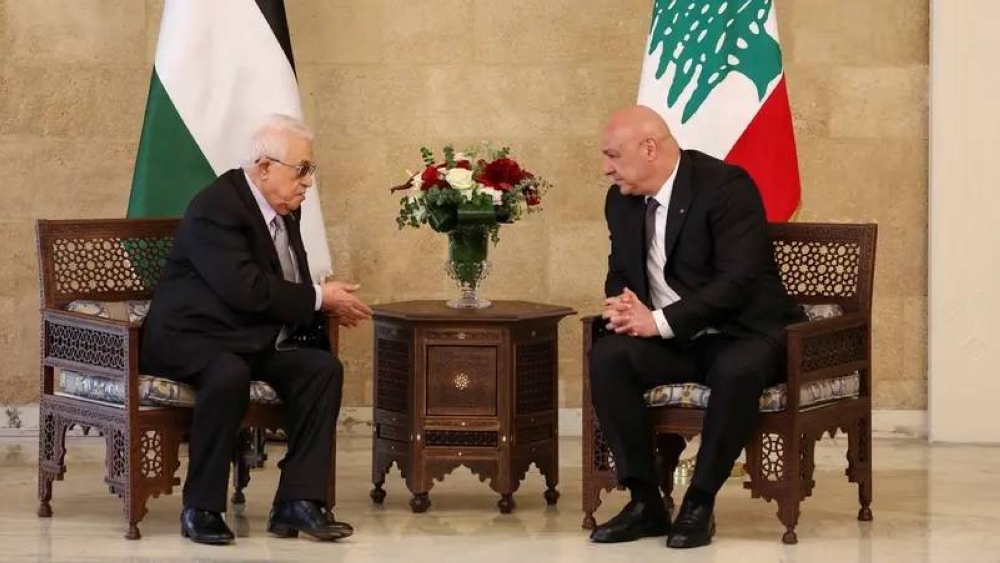
الرئيسان اللبناني والفلسطيني خلال لقائهما في بيروت .


تابع قناة عكاظ على الواتساب
«عكاظ» (بيروت) okaz_online@
The Lebanese President Joseph Aoun and the Palestinian President Mahmoud Abbas agreed to limit weapons to the hands of the Lebanese state, confirming that the era of weapons in the camps has "passed."
Abbas began an official visit to Lebanon today (Wednesday), lasting three days, marking his first visit since 2017. Aoun welcomed Abu Mazen at the presidential palace in Baabda, and during the visit, he is scheduled to meet with the Speaker of the Parliament Nabih Berri and the Prime Minister Nawaf Salam.
In a joint statement published by the Lebanese presidency, both sides affirmed their commitment to the principle of exclusive control of weapons by the Lebanese state, and to ending any manifestations outside the logic of the Lebanese state. They emphasized that the era of weapons outside the authority of the Lebanese state has ended.
The Lebanese and Palestinian presidents agreed to form a joint Lebanese-Palestinian committee to monitor the conditions of Palestinian camps in Lebanon and to work on improving the living conditions of refugees, while respecting Lebanese sovereignty and adhering to Lebanese laws.
Both sides insisted on the necessity of reaching a just and stable peace in the region that allows the Palestinian people to establish their independent state, in accordance with relevant international legitimacy resolutions, granting all countries and peoples in the region their rightful and legitimate rights.
The Lebanese president had previously emphasized that "the exclusivity of weapons must be in the hands of the state, and the decision of war and peace is in its hands." He stated that he is not only talking about Lebanese weapons but also about non-Lebanese weapons, specifically Palestinian weapons in the camps. He mentioned that the Lebanese army dismantled six Palestinian training camps "three in Baalbek (East), one south of Beirut, and two in the north," and that weapons were confiscated and all facilities destroyed, making the area free of weapons.
A Lebanese government source reported that Abu Mazen's visit aims to establish an executive mechanism for collecting and withdrawing weapons from the camps.
A member of the Executive Committee of the Palestine Liberation Organization, Ahmad Majdalani, stated yesterday (Tuesday) that Abbas will discuss with Lebanese officials during his visit to Beirut the issue of weapons in the Palestinian camps.
He added: The Palestinian weapons present in the camps will be one of the issues on the discussion agenda between President Abbas and Lebanese President Joseph Aoun and the Lebanese government. He pointed out that the Palestinian president has a previous stance on the issue of Palestinian weapons in Lebanon since 2010, considering that these weapons should be a positive factor in ensuring security and civil peace in Lebanon. He indicated that the discussions will address the conditions of our people and their civil rights in working and contributing to Lebanese life.
The number of Palestinian refugees residing in overcrowded camps in Lebanon is estimated at around 250,000. They often live in difficult conditions, and Palestinians are prohibited from working in several sectors in Lebanon.
Under a long-term agreement, Palestinian factions are responsible for security within the camps, which the Lebanese army refrains from entering.
Palestinian weapons were a key element in the Lebanese Civil War (1975 - 1990).
Abbas began an official visit to Lebanon today (Wednesday), lasting three days, marking his first visit since 2017. Aoun welcomed Abu Mazen at the presidential palace in Baabda, and during the visit, he is scheduled to meet with the Speaker of the Parliament Nabih Berri and the Prime Minister Nawaf Salam.
In a joint statement published by the Lebanese presidency, both sides affirmed their commitment to the principle of exclusive control of weapons by the Lebanese state, and to ending any manifestations outside the logic of the Lebanese state. They emphasized that the era of weapons outside the authority of the Lebanese state has ended.
The Lebanese and Palestinian presidents agreed to form a joint Lebanese-Palestinian committee to monitor the conditions of Palestinian camps in Lebanon and to work on improving the living conditions of refugees, while respecting Lebanese sovereignty and adhering to Lebanese laws.
Both sides insisted on the necessity of reaching a just and stable peace in the region that allows the Palestinian people to establish their independent state, in accordance with relevant international legitimacy resolutions, granting all countries and peoples in the region their rightful and legitimate rights.
The Lebanese president had previously emphasized that "the exclusivity of weapons must be in the hands of the state, and the decision of war and peace is in its hands." He stated that he is not only talking about Lebanese weapons but also about non-Lebanese weapons, specifically Palestinian weapons in the camps. He mentioned that the Lebanese army dismantled six Palestinian training camps "three in Baalbek (East), one south of Beirut, and two in the north," and that weapons were confiscated and all facilities destroyed, making the area free of weapons.
A Lebanese government source reported that Abu Mazen's visit aims to establish an executive mechanism for collecting and withdrawing weapons from the camps.
A member of the Executive Committee of the Palestine Liberation Organization, Ahmad Majdalani, stated yesterday (Tuesday) that Abbas will discuss with Lebanese officials during his visit to Beirut the issue of weapons in the Palestinian camps.
He added: The Palestinian weapons present in the camps will be one of the issues on the discussion agenda between President Abbas and Lebanese President Joseph Aoun and the Lebanese government. He pointed out that the Palestinian president has a previous stance on the issue of Palestinian weapons in Lebanon since 2010, considering that these weapons should be a positive factor in ensuring security and civil peace in Lebanon. He indicated that the discussions will address the conditions of our people and their civil rights in working and contributing to Lebanese life.
The number of Palestinian refugees residing in overcrowded camps in Lebanon is estimated at around 250,000. They often live in difficult conditions, and Palestinians are prohibited from working in several sectors in Lebanon.
Under a long-term agreement, Palestinian factions are responsible for security within the camps, which the Lebanese army refrains from entering.
Palestinian weapons were a key element in the Lebanese Civil War (1975 - 1990).


