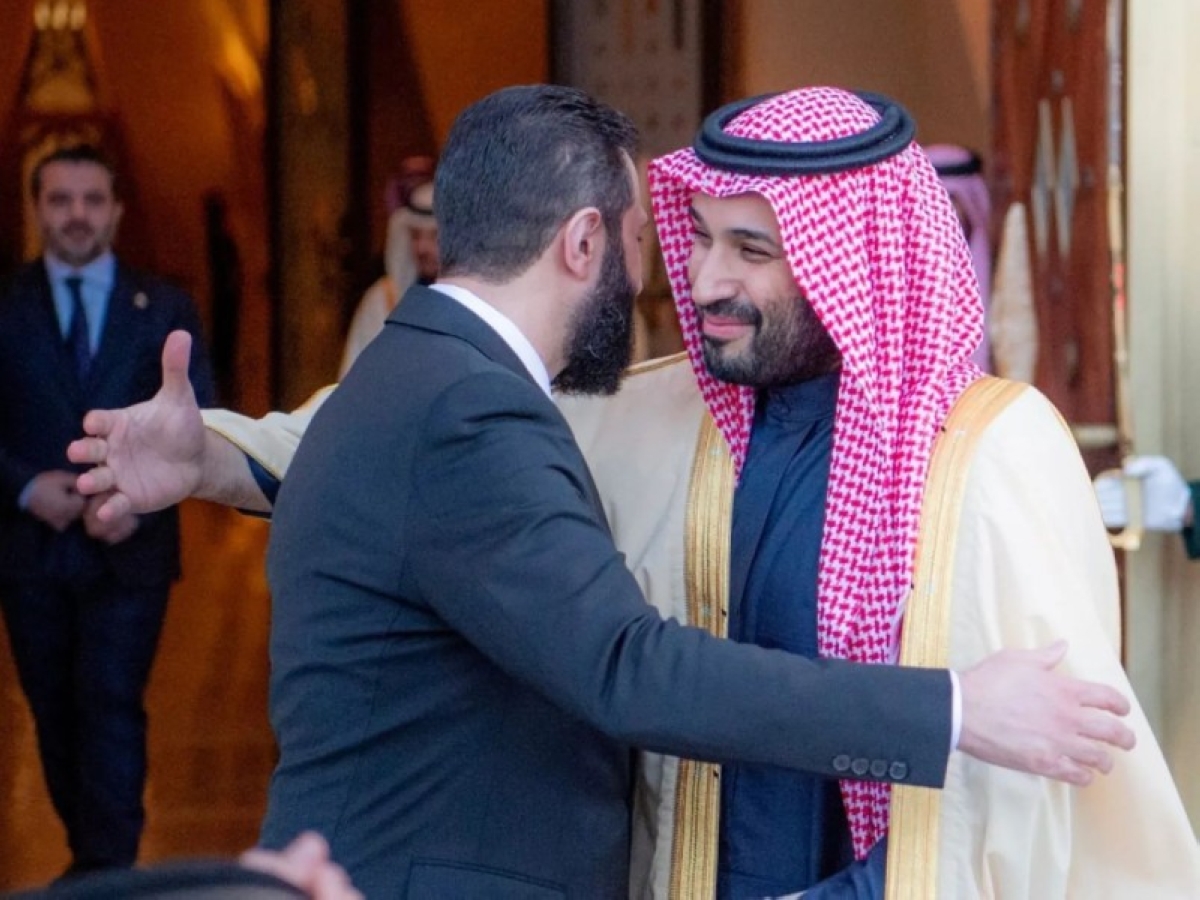
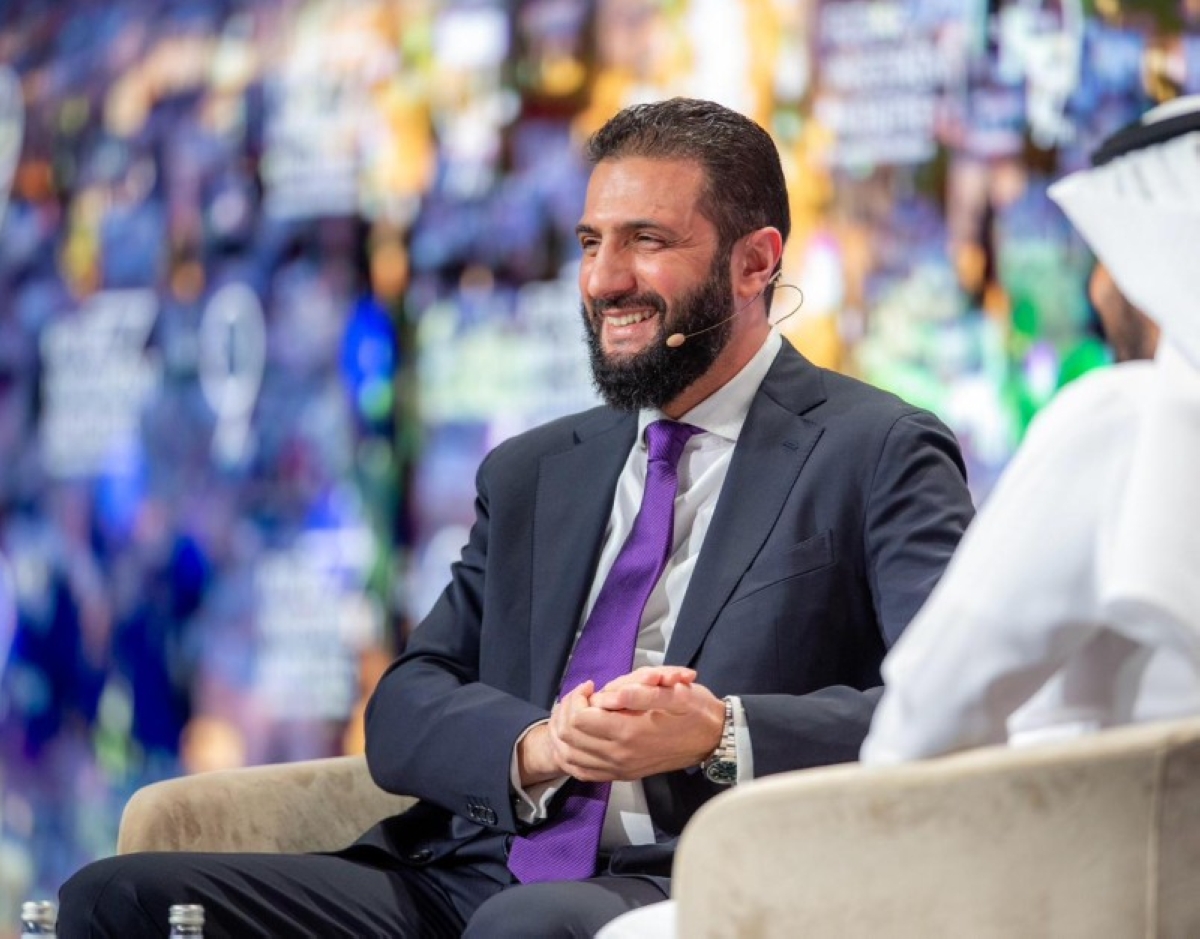
من منصة الاستثمار العالمي في الرياض، خرج صوت الرئيس السوري أحمد الشرع بخطابٍ حمل ملامح ما بعد السياسة التقليدية، محددًا موقع المملكة العربية السعودية بوصفها «المفتاح» الذي يربط بين الاستقرار والتنمية وصناعة الإنسان، في إشارة واضحة إلى تحوّل الرياض من مركز نفوذ سياسي إلى قاطرة اقتصادية إقليمية تعيد تعريف موازين النمو في المنطقة.
قال الشرع في كلمته أمام المنتدى: «عندما توجهنا إلى المملكة فور تسلمنا رئاسة الجمهورية السورية، عرفنا أين المفتاح؛ مفتاح الاستقرار والتنمية وصناعة الإنسان. السعودية بلد ذهب للاستقرار والازدهار والتنمية الواسعة، وتجربتها فريدة في المنطقة».
وأضاف: «منذ ما قبل الرئاسة وأنا متابع بشغف لتفاصيل رؤية المملكة 2030 التي أطلقها ولي العهد الأمير محمد بن سلمان، فرأيت أنها لا تقف عند حدود المملكة فقط، بل تشمل المنطقة بأكملها. ونحن في سورية التقطنا هذه الرؤية والرسالة».
تحمل عبارة الرئيس السوري دلالتين متداخلتين؛
الأولى اعتراف واقعي بأنّ محور الاستقرار الإقليمي أصبح اقتصاديًا أكثر منه أمنيًا، وأنّ المملكة تمتلك أدوات التأثير عبر الاستثمار، التمويل، والطاقة.
أما الثانية فهي تموضع اقتصادي جديد لدمشق ضمن الفضاء العربي، يُعيد سورية إلى معادلة النمو عبر البوابة السعودية لا من خلال التمويل فقط، بل من خلال نقل النموذج - نموذج الرؤية، والحوكمة، وصناعة الإنسان المنتج.
من منظور الاقتصاد السياسي، تحوّلت رؤية السعودية 2030 إلى منصة فكرية أكثر من كونها خطة وطنية، إذ نقلت مفاهيم الاستثمار من "القطاع" إلى "الإنسان"، ومن "المشروعات الكبرى" إلى "التحول الشامل".
ولهذا لم يقرأ الشرع الرؤية كمستهدفات سعودية، بل كمصفوفة إقليمية تمتد عبر؛ الطاقة المتجددة والربط الكهربائي، التحول الرقمي والمعرفة، إدارة المدن الذكية والبنية التحتية، اقتصاد الإنسان المُمكَّن.
التحولات السعودية فرضت منهجًا اقتصاديًا قائمًا على التوازن بين النمو والسيادة، فحين تتحدث الرياض عن الشراكة، فإنها تطرح التكامل لا التبعية، وحين تُصدّر تجربتها، فإنها تقدمها بوصفها منظومة قيم إنتاج وتنمية.
من قراءة الخطاب، تبدو دمشق في طور إعادة هيكلة علاقتها بالمنطقة عبر محور التنمية لا المحاور السياسية. فالإشادة بالرؤية السعودية ليست مجاملة دبلوماسية، بل تبنٍ ضمني لنموذج إدارة الاقتصاد والإنسان، وهو ما يعني أن الاستقرار لم يعد أمنياً فحسب، بل اقتصادياً ومعرفياً.
خطاب الشرع في منتدى مبادرة مستقبل الاستثمار إعلان عن انضمام الاقتصاد السوري إلى المسار العربي الجديد الذي تقوده المملكة، حيث الاستثمار وسيلة سلام، والتنمية لغة نفوذ، والإنسان هو رأس المال الأغلى في معادلة المستقبل.
From the global investment platform in Riyadh, the voice of Syrian President Ahmad al-Shara' emerged with a speech that carried the features of post-traditional politics, defining the position of the Kingdom of Saudi Arabia as the "key" that links stability, development, and human development, in a clear indication of Riyadh's transformation from a center of political influence to a regional economic locomotive that redefines the growth balances in the region.
Al-Shara' said in his speech at the forum: "When we turned to the Kingdom immediately after assuming the presidency of the Syrian Republic, we knew where the key was; the key to stability, development, and human development. Saudi Arabia is a land of gold for stability, prosperity, and extensive development, and its experience is unique in the region."
He added: "Since before the presidency, I have been passionately following the details of the Kingdom's Vision 2030 launched by Crown Prince Mohammed bin Salman, and I saw that it does not stop at the borders of the Kingdom only, but encompasses the entire region. We in Syria have captured this vision and message."
The statement by the Syrian president carries two intertwined implications;
The first is a realistic acknowledgment that the axis of regional stability has become more economic than security-related, and that the Kingdom possesses tools of influence through investment, financing, and energy.
The second is a new economic positioning for Damascus within the Arab space, which returns Syria to the growth equation through the Saudi gateway, not only through financing but also through transferring the model - the model of vision, governance, and the production of human capital.
From a political economy perspective, Saudi Vision 2030 has transformed into an intellectual platform more than a national plan, as it shifted concepts of investment from "the sector" to "the human," and from "mega projects" to "comprehensive transformation."
Therefore, al-Shara' did not read the vision as Saudi targets, but as a regional matrix extending through; renewable energy and electrical interconnection, digital transformation and knowledge, smart city management and infrastructure, and an empowered human economy.
The Saudi transformations imposed an economic approach based on balancing growth and sovereignty, so when Riyadh talks about partnership, it proposes integration, not dependency, and when it exports its experience, it presents it as a system of values for production and development.
From reading the speech, it seems that Damascus is in the process of restructuring its relationship with the region through the axis of development, not political axes. The praise for the Saudi vision is not a diplomatic courtesy, but an implicit adoption of the model of economic and human management, which means that stability is no longer just security-related, but also economic and knowledge-based.
Al-Shara's speech at the Future Investment Initiative forum is an announcement of the Syrian economy's joining the new Arab path led by the Kingdom, where investment is a means of peace, development is a language of influence, and the human being is the most valuable capital in the equation of the future.