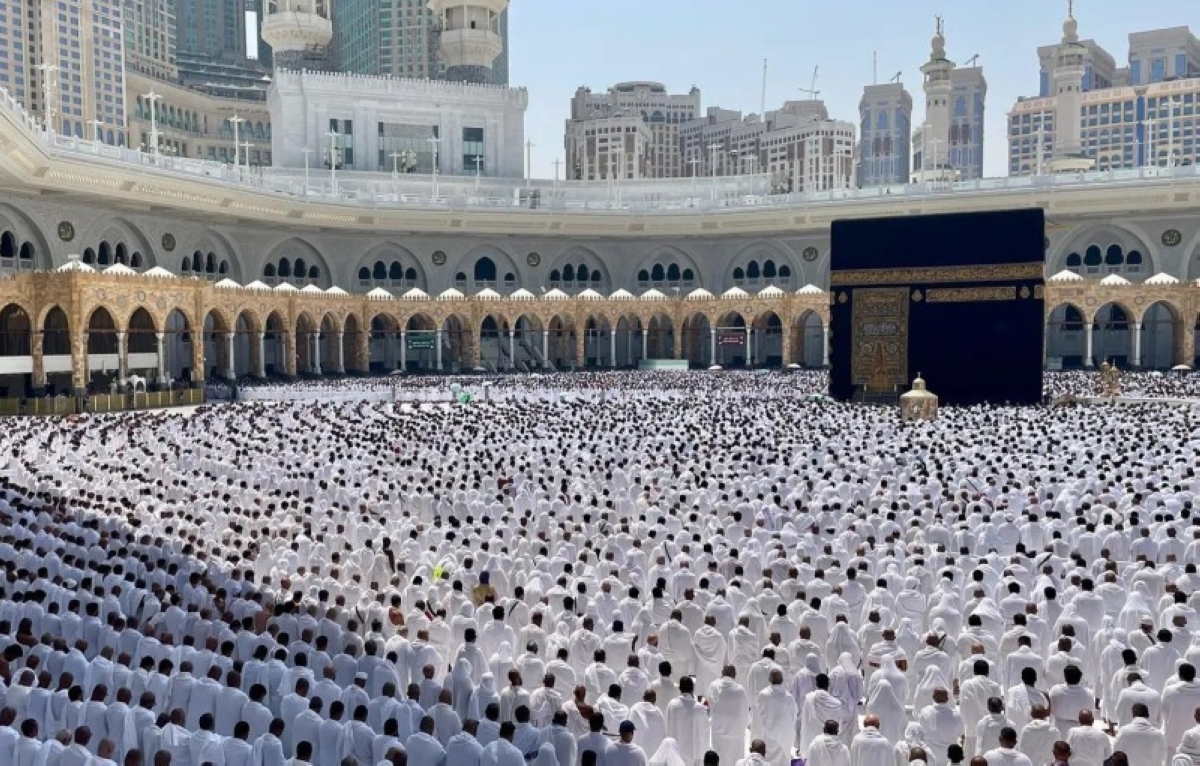
أوصى إمام وخطيب المسجد الحرام الشيخ الدكتور عبدالرحمن بن عبدالعزيز السديس المسلمين بتقوى الله -عز وجل- والحذر من اقتراف الشرور والأكدار، والسعي لكل صلاح وإعمار.
وقال في خطبة الجمعة التي ألقاها اليوم بالمسجد الحرام: «في هذا العصر الزاخر بالصراعات المادية والاجتماعية، والظواهر السلوكية والأخلاقية، والمفاهيم المنتَكسَة حيال الشريعة الربانية، لا بد من الرجوع إلى هدايات القرآن وآدابه، ففيه حقائق التربية الفاضلة، وأُسس المدنية الخالدة، ولذلك كانت سنة رسول الله- صلى الله عليه وسلم- كثرة موعظة النَّاس بالقرآن، بل كان كثيرًا ما يخطب النَّاس به».
وأضاف يقول: «اشتملت سورة الفاتحة على أمهات المطالب العالية، فلا يقوم غير هذه السورة مقامها، ولا يَسُدُّ مَسَدَّهَا، ولذلك لم يُنزل الله تعالى في التوراة ولا في الإنجيل ولا في الزبور مثلها، جمعت أصول القرآن، ومعاقد التوحيد، ومجامع الدعاء، وهي رقية فيها الشفاء، واشتمالها على التوحيد وأصول الدين وقواعده ومقاصده، والحمد والثناء والدعاء، وعلمتنا هذه السورة الدعاء والثناء، والتوسل والعبودية والولاء والبراء، كما اشتملت على آداب الطلب، وثبوت أوصاف الكمال والجلال والعبودية والاستعانة بالله رب العالمين وحده لا شريك له».
وشدد الشيخ عبدالرحمن السديس على احتياج الأمة إلى تأمل هدايات كتاب ربها ومقاصده في عصر عمت فيه الفتن، وكثرت فيه المحن، وتَنَكَّبَ فيه بعضهم صراط الله المستقيم بموجات تشكيك وإلحاد، وضروب إشراك وبدع ومحدثات، ونيل من مقامات الأنبياء والرسل، ووقيعة بالصحابة والآل الكرام، وتوسيع هوة الخلافات، وهم يكررون هذه السورة عدة مرات، ولا سيما في زمن أصيبت فيه الأمة بفقد علمائها الربانيين، وفقهائها الراسخين، سائلًا الله تعالى أن يهدينا صراطه المستقيم، ويجعلنا من أهل إياك نعبد وإياك نستعين، ويجنبنا طريق المغضوب عليهم والضالين، إنه جواد كريم.
ولفت النظر إلى أنه لا بد أن تُربّى الأجيال والمجتمعات على هدايات القرآن الكريم قولًا واعتقادًا، وعملًا وانقيادًا علميًا، وخلقيًا واجتماعيًا، لأنها ملاك الحفاظ على الهوية الإسلامية، والحصن المكين دون تسلل ذوي الأفكار السلولية شطر ديار المسلمين الأبية، وبذلك تعز الأمة وترقى، وتبلغ من المجد أسمى مرقى، مؤكدًا أن الحاجة ماسة لهدايات القرآن في هذه الحقبة، ذلك أن العالم اليوم يعيش الفتن والقلاقل، ويحيى على كثير من الزعازع والبلابل، مبينًا أن واجبنا أن ننهل من معين القرآن الكريم ونرتوي منه لنحقق سعادة الدنيا والآخرة
وفي المسجد النبوي أوصى الشيخ حسين بن عبدالعزيز آل الشيخ في خطبة الجمعة اليوم المسلمين بتقوى الله وطاعته قال تعالى: «وَاتَّقُوا اللَّهَ ۚ إِنَّ اللَّهَ سَرِيعُ الْحِسَابِ».
وبين أن أنفع العلوم وأشرفها العلم بأسماء الله الحسنى الدالة على أحسن المعاني وأكمل الصفات وأجلها وأعظمها، وأعظم ما يستنير به القلب وينشرح به القلب وينشرح به الصدر معرفة أسماء الله الحسنى، مشيرًا إلى أن من تلقى أسماء الله الحسنى بالقبول والرضا والتسليم والإذعان لها بالانقياد والاطمئنان إليها وتعبد الله بها ازداد إيمانًا.
وأكّد أن المعرفة بأسماء الله والحاجة إليها تملأ القلب بمراقبة الله مراقبةً تامة في الحركات والسكنات والمسارعة إلى الطاعات والبعد عن المنهيّات، زاد الإيمان بالله والعبودية، قال تعالى «وَلِلَّهِ الْأَسْمَاءُ الْحُسْنَىٰ فَادْعُوهُ بِهَا ۖ وَذَرُوا الَّذِينَ يُلْحِدُونَ فِي أَسْمَائِهِ ۚ سَيُجْزَوْنَ مَا كَانُوا يَعْمَلُونَ».
وبين إمام وخطيب المسجد النبوي أن لله تسعًا وتسعين اسمًا، ففي الحديث عن أبي هريرة رضي الله عنه أن رسول الله- صلى الله عليه وسلم- قال: «إن لله تِسْعَةً وتِسْعِينَ اسْمًا، مَنْ أَحْصَاهَا دخل الجنة».
وأشار إلى أن العبد يجب عليه إثبات ما أثبته الله تعالى لنفسه ونفي مانفاه عن نفسه في نصوص القرآن والسنة من غير تحريف ولا تمثيل ولا تعطيل قال جل من قائل «لَيْسَ كَمِثْلِهِ شَيْءٌ ۖ وَهُوَ السَّمِيعُ الْبَصِيرُ».
وتابع بتقسيم الدعاء إلى دعاء عبادة بالعلم بأن الله هو القوي المتين فهو يقوي التوكل على الله والركون إليه ويقطع الالتفات إلى غيره من المخلوقات ودعاء المسألة والطلب فهو دعاء العبد بما يتوافق مع حاجته.
The Imam and preacher of the Grand Mosque, Sheikh Dr. Abdulrahman bin Abdulaziz Al-Sudais, advised Muslims to fear Allah - the Almighty - and to beware of committing evils and misfortunes, and to strive for all that is good and constructive.
In his Friday sermon delivered today at the Grand Mosque, he said: "In this age, filled with material and social conflicts, behavioral and moral phenomena, and distorted concepts regarding divine law, it is essential to return to the guidance of the Quran and its ethics. In it are the truths of noble education and the foundations of eternal civilization. Therefore, the Sunnah of the Messenger of Allah - peace be upon him - was to frequently remind people with the Quran; indeed, he often addressed people with it."
He added: "Surah Al-Fatiha encompasses the highest fundamental demands; nothing else can take its place or fulfill its role. Therefore, Allah has not revealed anything like it in the Torah, the Gospel, or the Psalms. It gathers the principles of the Quran, the tenets of monotheism, and the essence of supplication. It is a healing recitation, encompassing monotheism, the foundations of religion, its principles and objectives, as well as praise, commendation, and supplication. This Surah teaches us how to pray and praise, to seek intercession, and to express servitude, loyalty, and disavowal. It also includes the ethics of seeking knowledge, affirming the attributes of perfection, majesty, servitude, and reliance on Allah, the Lord of the worlds, alone without partners."
Sheikh Abdulrahman Al-Sudais emphasized the need for the nation to reflect on the guidance of its Lord's Book and its objectives in an era filled with trials, where calamities abound, and some have strayed from Allah's straight path amidst waves of doubt and atheism, various forms of polytheism, innovations, and attacks on the ranks of the prophets and messengers, as well as slander against the noble companions and family, widening the gap of disputes. They repeat this Surah several times, especially in a time when the nation has suffered from the loss of its righteous scholars and steadfast jurists, asking Allah to guide us to His straight path, to make us among those who say, "You alone we worship, and You alone we ask for help," and to keep us away from the path of those who have earned Your anger and those who have gone astray. Indeed, He is Generous and Gracious.
He pointed out that generations and communities must be raised on the guidance of the Holy Quran in word, belief, action, and scientific and moral adherence, as it is the key to preserving Islamic identity and a strong fortress against the infiltration of those with corrupt ideas into the homes of the noble Muslims. Thus, the nation is honored and elevated, reaching the highest peaks of glory, emphasizing that there is an urgent need for the guidance of the Quran in this era, as the world today is living through trials and turmoil, filled with many disturbances and distractions. He clarified that our duty is to draw from the fountain of the Holy Quran and to quench our thirst from it to achieve happiness in this world and the Hereafter.
In the Prophet's Mosque, Sheikh Hussein bin Abdulaziz Al-Sheikh advised Muslims in his Friday sermon today to fear Allah and obey Him, as He said: "And fear Allah; indeed, Allah is swift in account."
He explained that the most beneficial and noble knowledge is the knowledge of the names of Allah, which indicate the best meanings, the most complete attributes, and the greatest and most exalted ones. The greatest thing that enlightens the heart and expands the chest is the knowledge of the names of Allah. He pointed out that whoever receives the names of Allah with acceptance, satisfaction, submission, and compliance, and finds tranquility in them and worships Allah through them, will increase in faith.
He affirmed that knowledge of the names of Allah and the need for it fills the heart with complete awareness of Allah in all movements and stillness, hastening towards obedience and staying away from prohibitions, thus increasing faith in Allah and servitude. Allah said: "And to Allah belong the best names, so invoke Him by them. And leave those who abuse His names; they will be recompensed for what they used to do."
The Imam and preacher of the Prophet's Mosque stated that Allah has ninety-nine names. In a narration from Abu Huraira - may Allah be pleased with him - the Messenger of Allah - peace be upon him - said: "Indeed, Allah has ninety-nine names; whoever counts them will enter Paradise."
He indicated that the servant must affirm what Allah has affirmed for Himself and deny what He has denied for Himself in the texts of the Quran and Sunnah without distortion, representation, or negation, as He, the Exalted, said: "There is nothing like Him, and He is the Hearing, the Seeing."
He continued by dividing supplication into two types: supplication of worship, with the knowledge that Allah is the Strong and Mighty, which strengthens reliance on Allah and leaning on Him, cutting off attention to others among the creatures, and supplication of request and need, which is the servant's plea in accordance with his needs.