


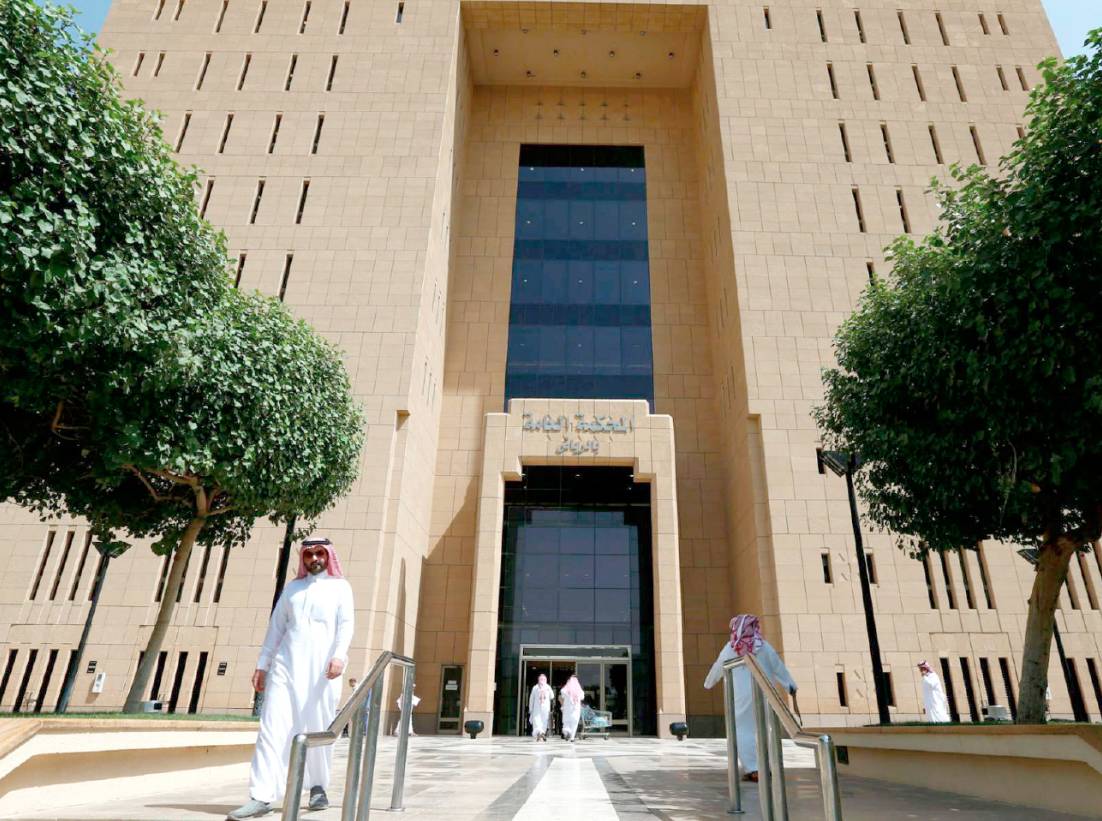
التطور الشمولي بالمنظومة القضائية والعدلية في عهد خادم الحرمين الشريفين استهدف في المقام الأول مؤسسية القضاء، واستقلاله وتحديث الإجراءات، وتحقيق العدالة في أسرع وقت عبر الرقمنة، وصدرت في العهد الميمون العديد من المبادئ الموضوعية في المسائل المتعلقة بالقضاء، ورقمنة الخِدْمات العدلية، وتحقق تقدّم غير مسبوق في نسبة رضا المستفيدين عن الخِدْمات العدلية، وعملت وزارة العدل على تفعيل العديد من المبادرات والمشاريع وفْق أفضل الممارسات لتحسن تجربة المستفيدين، بما يواكب رؤية 2030.
ويعد نظام القضاء في السعودية أحد أهم الركائز الأساسية في المجتمع، إذ تتولى مسؤولية ضمان الحقوق و تطبيق العدالة بين أعضاء المجتمع. وتزداد أهمية القضاء في السعودية لأنه يستمد مشروعيته من الشريعة الإسلامية.
وفي ظل العمل المستمر لوزارة العدل على تحسين جودة الأحكام القضائية وتعزيز الكفاءة والشفافية، وترسيخ منظومة القضاء المؤسسي؛ ساهم مركز تهيئة الدعاوى في دعم المحاكم ورفع جودة الخدمات القضائية، وتقليل أمد التقاضي ورفع مستوى رضا المستفيدين عن الخدمات المقدمة لهم.
ويعد مركز تهيئة الدعاوى جزءاً مهماً من جهود وزارة العدل لتحسين الكفاءة التشغيلية للمحاكم، من خلال تقديم خدمات متنوعة مثل الدراسة الأولية لملف القضية، وإدارة التبليغات، بالإضافة إلى صياغة مسودات الأحكام وتهيئة طلبات الإفلاس، وهذه الخدمات ليست مجرد خطوات إجرائية، بل تمثّل رؤية متكاملة تهدف إلى رفع جاهزية ملفات القضايا، مما يساهم في تعزيز كفاءة وسرعة أداء الدوائر القضائية.
ومن أحد العوامل الرئيسية التي تعزز من فعالية مركز تهيئة الدعاوى الاعتماد على كوادر بشرية متخصصة.
وتسير وزارة العدل بخطى ثابتة نحو تحقيق رؤية المملكة 2030 في بناء نظام قضائي حديث يواكب المتغيرات العالمية ويضمن تحقيق العدالة بأعلى مستوياتها.
وتمثلت أبرز التطورات القضائية في تفعيل إحدى أهم الضمانات العدلية التي جاءت بها الأنظمة من خلال تفعيل المرافعة أمام محاكم الاستئناف كدرجة تقاضٍ ثانية، وبدء مباشرة المحكمة العليا لاختصاصاتها.
وفي إطار السعي الدائم لتحديث مبادئ النظر الموضوعي وتقرير مبادئ عامة في المسائل المتعلقة بالقضاء، أصدر المجلس الأعلى للقضاء قراراً بمراعاة الوصف الجرمي للإدانة قبل إصدار الحكم، بأن لا يتضمن الحكم بالشبهة أو توجه التهمة، مع الأخذ بوسائل الإثبات كافة، بما في ذلك القرائن المعتبرة.
وفي تفعيل بدائل التقاضي، اهتمت وزارة العدل بالوسائل البديلة لحل المنازعات ومنها المصالحة، قضاء رقمي وبلا ورق، كما عملت الوزارة على تفعيل التبليغ الإلكتروني من خلال الوسائل الإلكترونية في مشروع يعد الأول من نوعه إقليمياً، وفي التقدم في المؤشرات الدولية حققت المملكة تقدماً كبيراً في عدة مؤشرات قضائية وقانونية وتشريعية، وأطلقت وزارة العدل مشروع مراكز متخصصة يجري من خلالها تنفيذ أحكام الحضانة والزيارة والرؤية للأطفال.
وأطلقت وزارة العدل مشروع «المحكمة النموذجية»؛ بهدف ترسيخ البناء المؤسسي للقضاء عبر تطبيق السياسات الإدارية والأنظمة العدلية، والمبادرات التحولية، والبرامج التشغيلية المرتبطة بالمؤشرات، بما يسهم في تطبيق المشروع بشكله النموذجي على بقية محاكم المملكة.
وفي منظومة القضاء المتخصص، أكملت وزارة العدل منظومة القضاء المتخصص بتدشين المحاكم العمالية، التي أضفت إسهامات جوهرية أدت إلى ضبط سوق العمل والمحافظة على الحقوق.
وحققت المحاكم العمالية معدلات مميزة في مدد إغلاق القضية، كما أعلنت وزارة العدل إطلاق المحاكم التجارية الأمر الذي عُد نقلة نوعية في هذا القطاع، وأدت هندسة إجراءات هذه المحاكم، إلى رفع فاعليتها بما حقق تقليص عدد الجلسات إلى 3 جلسات، وتفعيل تبادل المذكرات إلكترونياً.
كما أطلقت الوزارة خدمة إلكترونية لاستقبال الشكاوى والاعتراضات على أخطاء تسجيل الملكية من كتابات العدل والبلديات المتعلقة بالعقارات، عبر الموقع الإلكتروني، ما يسهم في تعزيز الأمن العقاري، وتيسير الخِدْمات المقدمة للمستفيدين، ورفع تصنيف المملكة دولياً من خلال ضبط إجراءات تسجيل الملكية ومعالجة ما قد ينشأ من إشكالات بين الجهات ذات العلاقة.
تحديث الإجراءات وتحقيق العدالة في أسرع وقت
تقدم غير مسبوق
في نسبة رضا المستفيدين
تفعيل العديد
من المبادرات والمشاريع
مراعاة الوصف الجرمي للإدانة قبل إصدار الحكم
خدمة إلكترونية لاستقبال الشكاوى والاعتراضات
القضاء السعودي في العهد الزاهر.. شفافية ومؤسسية
25 سبتمبر 2025 - 01:29
|
آخر تحديث 25 سبتمبر 2025 - 01:29


تابع قناة عكاظ على الواتساب
«عكاظ» (جدة) okaz_online@
The comprehensive development of the judicial and legal system during the reign of the Custodian of the Two Holy Mosques primarily aimed at institutionalizing the judiciary, ensuring its independence, modernizing procedures, and achieving justice as quickly as possible through digitization. During this blessed era, many substantive principles related to the judiciary and the digitization of legal services were issued, resulting in unprecedented progress in the satisfaction rate of beneficiaries regarding legal services. The Ministry of Justice has activated numerous initiatives and projects according to best practices to improve the beneficiaries' experience, in line with Vision 2030.
The judicial system in Saudi Arabia is considered one of the most important foundational pillars in society, as it is responsible for ensuring rights and applying justice among community members. The importance of the judiciary in Saudi Arabia increases as it derives its legitimacy from Islamic law.
In light of the continuous efforts of the Ministry of Justice to improve the quality of judicial rulings and enhance efficiency and transparency, and to establish an institutional judiciary system, the Case Preparation Center has contributed to supporting the courts, raising the quality of judicial services, reducing litigation duration, and increasing the level of beneficiary satisfaction with the services provided to them.
The Case Preparation Center is an important part of the Ministry of Justice's efforts to improve the operational efficiency of the courts by providing various services such as the preliminary study of the case file, managing notifications, as well as drafting rulings and preparing bankruptcy requests. These services are not merely procedural steps; they represent a comprehensive vision aimed at enhancing the readiness of case files, which contributes to improving the efficiency and speed of the performance of judicial departments.
One of the main factors that enhance the effectiveness of the Case Preparation Center is the reliance on specialized human resources.
The Ministry of Justice is steadily moving towards achieving the Kingdom's Vision 2030 in building a modern judicial system that keeps pace with global changes and ensures the highest levels of justice.
The most notable judicial developments included activating one of the most important legal guarantees provided by the systems through enabling litigation before the appellate courts as a second degree of appeal and the Supreme Court beginning to exercise its competencies.
As part of the ongoing effort to update the principles of objective consideration and establish general principles in matters related to the judiciary, the Supreme Judicial Council issued a decision to consider the criminal description of the conviction before issuing the ruling, ensuring that the ruling does not include mere suspicion or the direction of accusation, while taking into account all means of evidence, including considered inferences.
In activating alternatives to litigation, the Ministry of Justice has focused on alternative means for dispute resolution, including reconciliation, digital and paperless judiciary, and has worked on activating electronic notifications through electronic means in a project that is the first of its kind regionally. In terms of progress in international indicators, the Kingdom has made significant advancements in several judicial, legal, and legislative indicators. The Ministry of Justice launched a project for specialized centers through which custody, visitation, and child sighting rulings are implemented.
The Ministry of Justice launched the "Model Court" project aimed at establishing the institutional framework for the judiciary by applying administrative policies, legal systems, transformative initiatives, and operational programs linked to indicators, contributing to the implementation of the project in its model form across the rest of the courts in the Kingdom.
In the specialized judiciary system, the Ministry of Justice completed the specialized judiciary system by launching labor courts, which have made substantial contributions to regulating the labor market and preserving rights.
The labor courts have achieved remarkable rates in case closure durations, and the Ministry of Justice announced the launch of commercial courts, which is considered a qualitative leap in this sector. The engineering of these courts' procedures has increased their effectiveness, reducing the number of sessions to three and activating the electronic exchange of memos.
The ministry also launched an electronic service to receive complaints and objections regarding property registration errors from notary offices and municipalities related to real estate through the website, which contributes to enhancing real estate security, facilitating services provided to beneficiaries, and raising the Kingdom's international ranking through regulating property registration procedures and addressing any issues that may arise between the relevant parties.
Updating procedures and achieving justice as quickly as possible
Unprecedented progress
In the satisfaction rate of beneficiaries
Activating numerous
Initiatives and projects
Considering the criminal description of the conviction before issuing the ruling
Electronic service to receive complaints and objections
The judicial system in Saudi Arabia is considered one of the most important foundational pillars in society, as it is responsible for ensuring rights and applying justice among community members. The importance of the judiciary in Saudi Arabia increases as it derives its legitimacy from Islamic law.
In light of the continuous efforts of the Ministry of Justice to improve the quality of judicial rulings and enhance efficiency and transparency, and to establish an institutional judiciary system, the Case Preparation Center has contributed to supporting the courts, raising the quality of judicial services, reducing litigation duration, and increasing the level of beneficiary satisfaction with the services provided to them.
The Case Preparation Center is an important part of the Ministry of Justice's efforts to improve the operational efficiency of the courts by providing various services such as the preliminary study of the case file, managing notifications, as well as drafting rulings and preparing bankruptcy requests. These services are not merely procedural steps; they represent a comprehensive vision aimed at enhancing the readiness of case files, which contributes to improving the efficiency and speed of the performance of judicial departments.
One of the main factors that enhance the effectiveness of the Case Preparation Center is the reliance on specialized human resources.
The Ministry of Justice is steadily moving towards achieving the Kingdom's Vision 2030 in building a modern judicial system that keeps pace with global changes and ensures the highest levels of justice.
The most notable judicial developments included activating one of the most important legal guarantees provided by the systems through enabling litigation before the appellate courts as a second degree of appeal and the Supreme Court beginning to exercise its competencies.
As part of the ongoing effort to update the principles of objective consideration and establish general principles in matters related to the judiciary, the Supreme Judicial Council issued a decision to consider the criminal description of the conviction before issuing the ruling, ensuring that the ruling does not include mere suspicion or the direction of accusation, while taking into account all means of evidence, including considered inferences.
In activating alternatives to litigation, the Ministry of Justice has focused on alternative means for dispute resolution, including reconciliation, digital and paperless judiciary, and has worked on activating electronic notifications through electronic means in a project that is the first of its kind regionally. In terms of progress in international indicators, the Kingdom has made significant advancements in several judicial, legal, and legislative indicators. The Ministry of Justice launched a project for specialized centers through which custody, visitation, and child sighting rulings are implemented.
The Ministry of Justice launched the "Model Court" project aimed at establishing the institutional framework for the judiciary by applying administrative policies, legal systems, transformative initiatives, and operational programs linked to indicators, contributing to the implementation of the project in its model form across the rest of the courts in the Kingdom.
In the specialized judiciary system, the Ministry of Justice completed the specialized judiciary system by launching labor courts, which have made substantial contributions to regulating the labor market and preserving rights.
The labor courts have achieved remarkable rates in case closure durations, and the Ministry of Justice announced the launch of commercial courts, which is considered a qualitative leap in this sector. The engineering of these courts' procedures has increased their effectiveness, reducing the number of sessions to three and activating the electronic exchange of memos.
The ministry also launched an electronic service to receive complaints and objections regarding property registration errors from notary offices and municipalities related to real estate through the website, which contributes to enhancing real estate security, facilitating services provided to beneficiaries, and raising the Kingdom's international ranking through regulating property registration procedures and addressing any issues that may arise between the relevant parties.
Updating procedures and achieving justice as quickly as possible
Unprecedented progress
In the satisfaction rate of beneficiaries
Activating numerous
Initiatives and projects
Considering the criminal description of the conviction before issuing the ruling
Electronic service to receive complaints and objections


