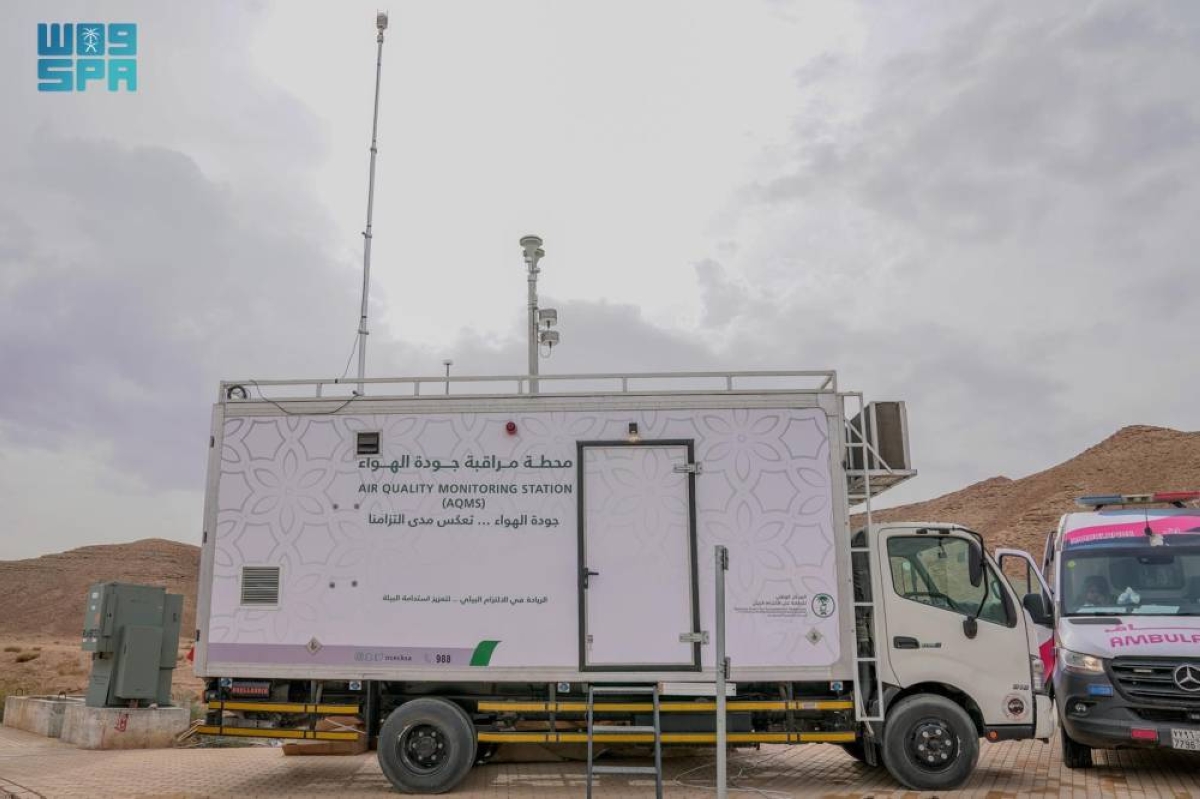
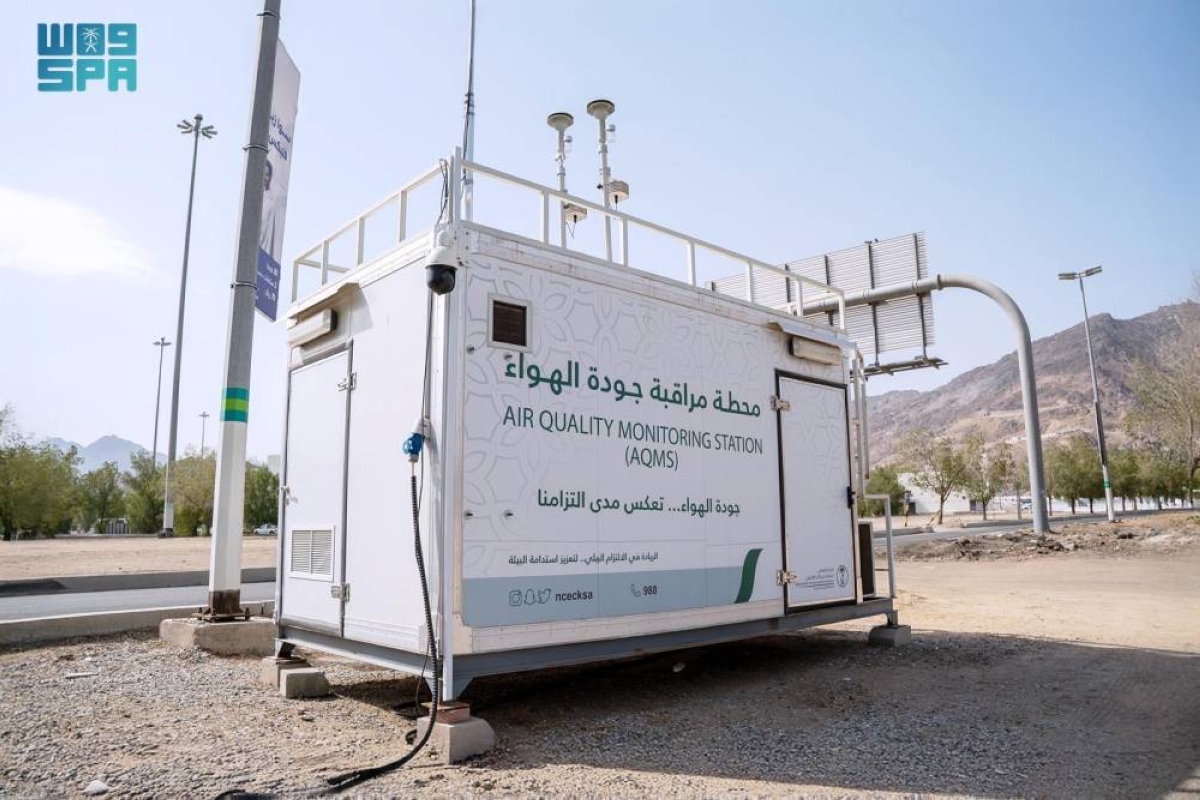
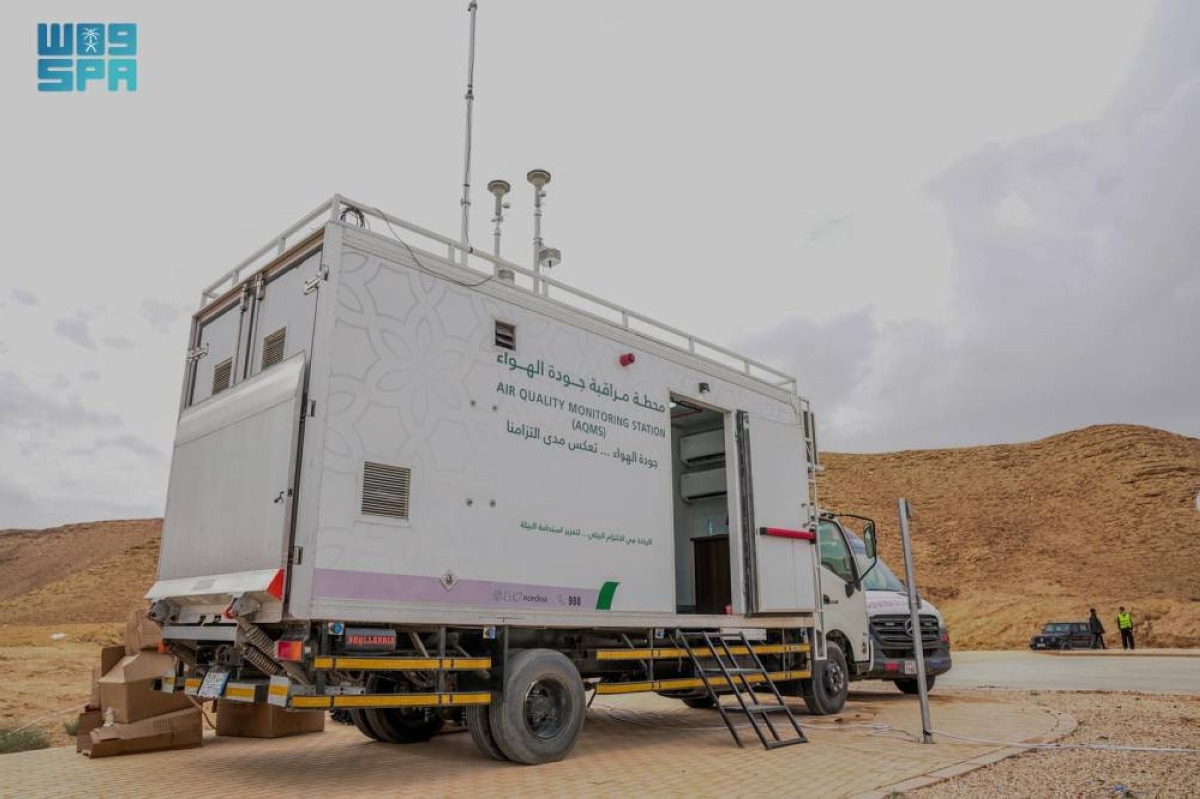
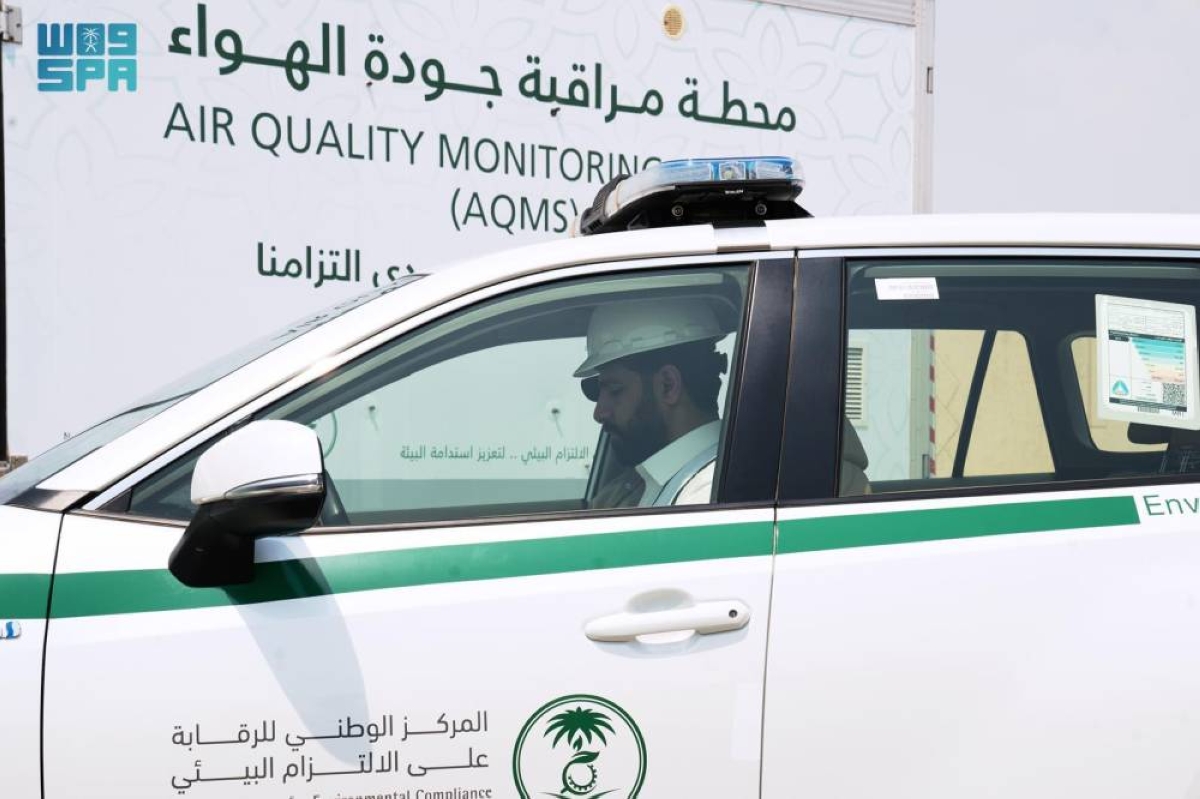
سعياً إلى مكافحة الملوثات التي تؤثر سلباً على صحة المواطنين، يتولى المركز الوطني للرقابة على الالتزام البيئي، مهمة رصد جودة الهواء في المملكة.
وأكد مدير البيانات البيئية الدكتور محمد الدغريري أن المركز يعتمد على 240 محطة موزعة في مناطق إستراتيجية مختلفة، تعمل على مدار الساعة لمراقبة مؤشرات جودة الهواء، إذ تحلل هذه المحطات 6 عناصر أساسية بناء على اللائحة التنفيذية لجودة الهواء، ومن ذلك الجسيمات الدقيقة مثل PM10 وPM2.5، إضافة إلى أكاسيد النيتروجين، والأوزون، وأول أكسيد الكربون، وثاني أكسيد الكبريت.
وأشار إلى أن محطات جودة الهواء ترتبط بشكل وثيق بالسياحة والاقتصاد في المملكة، خصوصاً خلال موسمي الحج والعمرة، وتوجد العديد من محطات رصد جودة الهواء في المناطق السياحية والدينية المهمة، مثل مكة المكرمة والمدينة المنورة وجدة والرياض، وهذه المحطات تراقب جودة الهواء، وتوفر بيانات دقيقة حول مستويات التلوث؛ مما يساعد على الحفاظ على صحة الزوار والمعتمرين والحجاج.
وأوضح الدغريري أن ارتباط محطات جودة الهواء بالكثافة السكانية في المملكة، إذ توجد العديد من المحطات في المناطق ذات الكثافة السكانية العالية، مثل المدن الكبرى، هذه المحطات تراقب جودة الهواء، وتوفر بيانات دقيقة حول مستويات التلوث؛ مما يساعد على الحفاظ على صحة السكان.
ويعمل المركز على نشر مؤشرات جودة الهواء يومياً من خلال مواقع التواصل الاجتماعي والمنصات الإعلامية؛ بهدف توعية الجمهور؛ مما يمكنهم من تجنب المناطق التي تشهد ارتفاعاً في نسب التلوث، ومن ثم الحفاظ على صحتهم، فيما يُعد مؤشر جودة الهواء أداة حيوية لتقييم مستوى تلوث الهواء، ويعزز صحة المواطنين وسلامة البيئة.
240 محطة تحلل جودة الهواء بالمملكة
7 سبتمبر 2025 - 18:39
|
آخر تحديث 7 سبتمبر 2025 - 19:03


تابع قناة عكاظ على الواتساب
«عكاظ» (الرياض) okaz_online@
In an effort to combat pollutants that negatively affect the health of citizens, the National Center for Environmental Compliance Monitoring is responsible for monitoring air quality in the Kingdom.
Dr. Mohammed Al-Dughairi, the Director of Environmental Data, confirmed that the center relies on 240 stations distributed across various strategic areas, operating around the clock to monitor air quality indicators. These stations analyze 6 essential elements based on the executive regulations for air quality, including fine particles such as PM10 and PM2.5, as well as nitrogen oxides, ozone, carbon monoxide, and sulfur dioxide.
He pointed out that air quality stations are closely linked to tourism and the economy in the Kingdom, especially during the Hajj and Umrah seasons. Many air quality monitoring stations are located in important tourist and religious areas, such as Mecca, Medina, Jeddah, and Riyadh. These stations monitor air quality and provide accurate data on pollution levels, helping to protect the health of visitors, pilgrims, and Umrah performers.
Al-Dughairi explained that the connection between air quality stations and population density in the Kingdom is significant, as many stations are located in densely populated areas, such as major cities. These stations monitor air quality and provide accurate data on pollution levels, contributing to the health of the population.
The center works to publish air quality indicators daily through social media and media platforms, aiming to raise public awareness, enabling them to avoid areas with high pollution levels, thereby protecting their health. The air quality index is a vital tool for assessing air pollution levels and enhances the health of citizens and the safety of the environment.
Dr. Mohammed Al-Dughairi, the Director of Environmental Data, confirmed that the center relies on 240 stations distributed across various strategic areas, operating around the clock to monitor air quality indicators. These stations analyze 6 essential elements based on the executive regulations for air quality, including fine particles such as PM10 and PM2.5, as well as nitrogen oxides, ozone, carbon monoxide, and sulfur dioxide.
He pointed out that air quality stations are closely linked to tourism and the economy in the Kingdom, especially during the Hajj and Umrah seasons. Many air quality monitoring stations are located in important tourist and religious areas, such as Mecca, Medina, Jeddah, and Riyadh. These stations monitor air quality and provide accurate data on pollution levels, helping to protect the health of visitors, pilgrims, and Umrah performers.
Al-Dughairi explained that the connection between air quality stations and population density in the Kingdom is significant, as many stations are located in densely populated areas, such as major cities. These stations monitor air quality and provide accurate data on pollution levels, contributing to the health of the population.
The center works to publish air quality indicators daily through social media and media platforms, aiming to raise public awareness, enabling them to avoid areas with high pollution levels, thereby protecting their health. The air quality index is a vital tool for assessing air pollution levels and enhances the health of citizens and the safety of the environment.