


تجاوز عدد من الحرفيين في المملكة ثقافة «الحرج» الاجتماعي، التي ولّدتها الطفرات، وخلقت أعرافاً تستعيب من المهن والحِرَف والصناعات اليدوية، باعتبار المعطيات في حينها، وتحوّل المجتمع من الإنتاج إلى الاستهلاك،
وعاد الحرفيّون في مناطق سعودية عدة، إلى نشاط آبائهم وأجدادهم المتوارث من أسلافهم، مستندين إلى الأثر المشهور «صنعةٌ في اليدّ أمانٌ »، ليبرهنوا أن المهن والصناعات اليدوية تعبّر عن إنسان السعودية، الذي كان العمل اليومي بيده جزءاً لا يتجزأ من الهوية الثقافية الوطنية، تمثّلاً لقول المصطفى عليه السلام لصاحب عمل عندما لمس باطن كفه «هذه يدٌّ يحبها الله ورسوله»، وقوله «من بات كالّاً من عمل يده بات مغفوراً له».
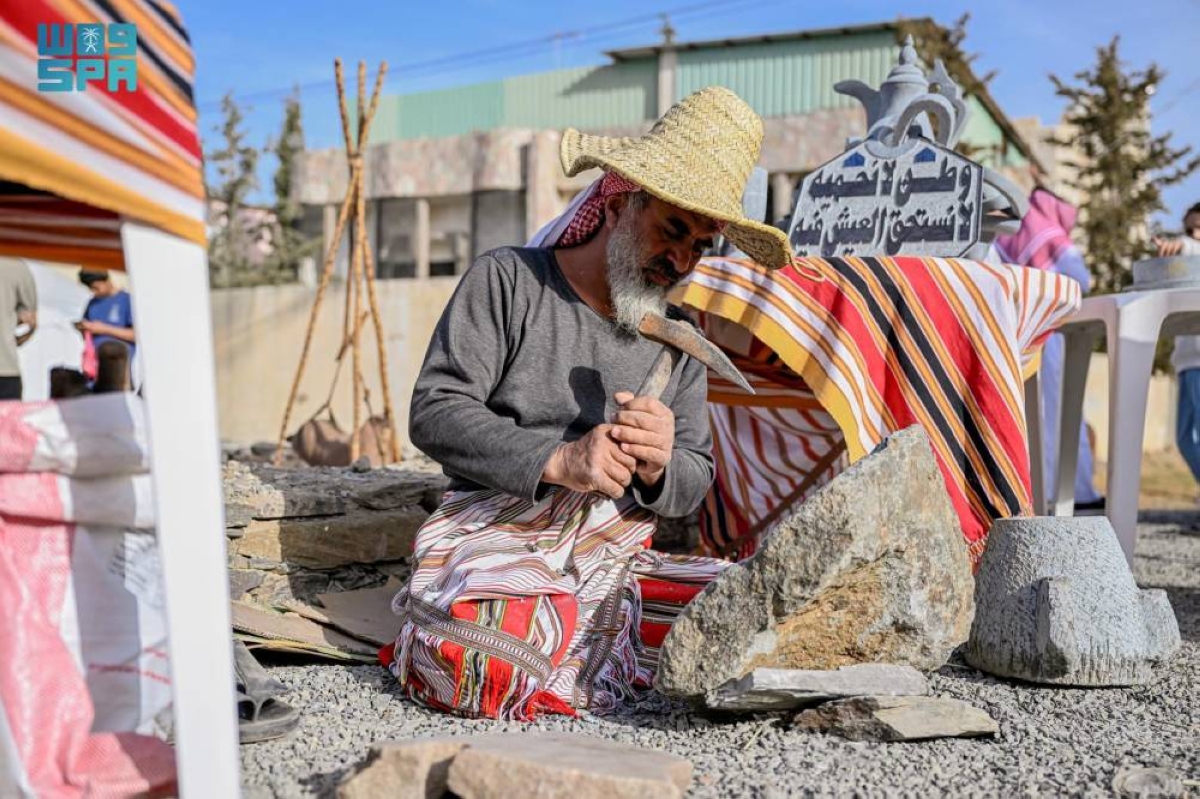
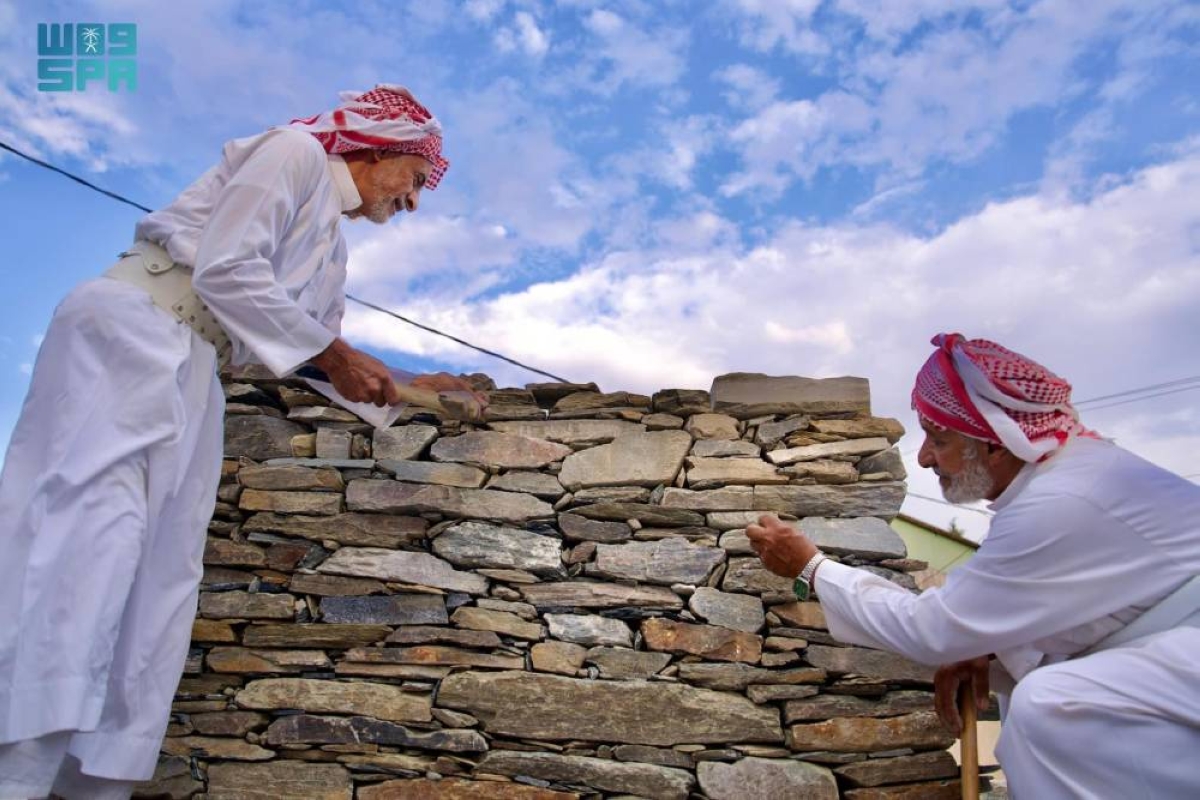
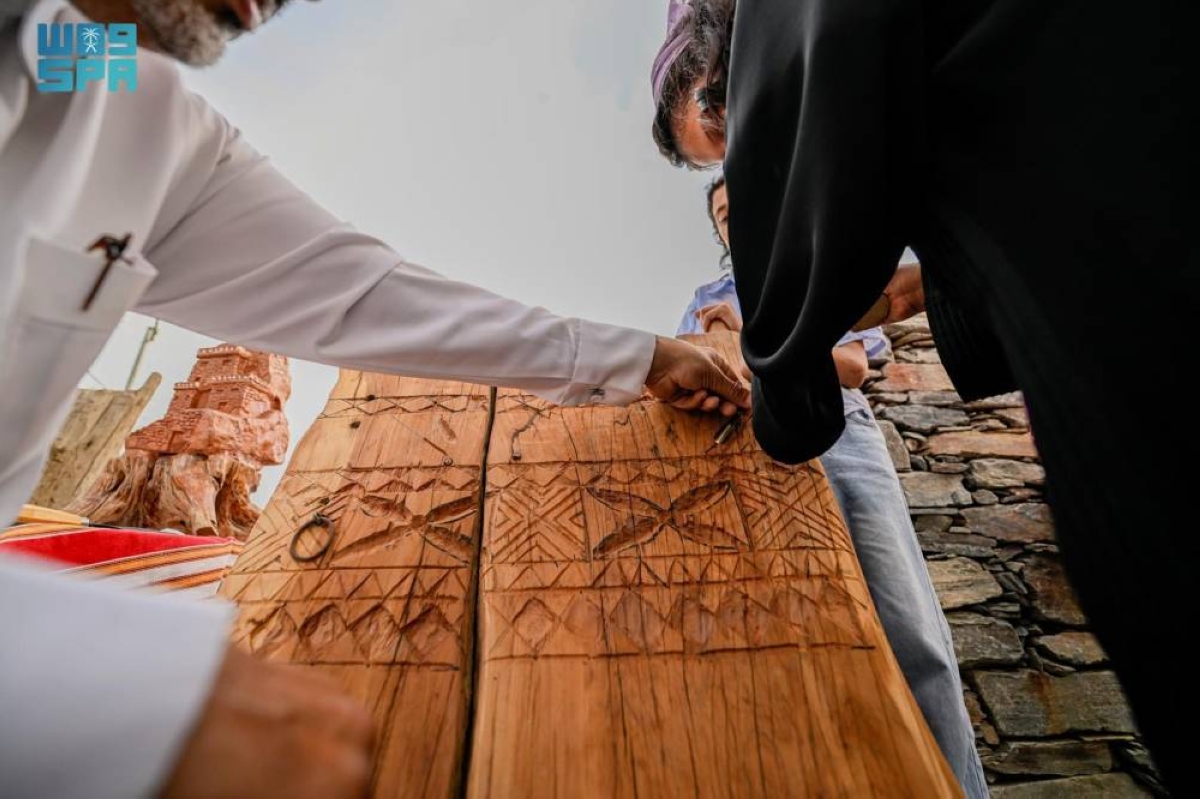
وتمثّل الحرف اليدوية أكثر من 20 مهنة وصنعة تراثية تزخر بها الأسواق والفعاليات ويتوارثها الأجيال جيلاً بعد جيل، ويحافظون عليها، وتسهم في جذب شريحة واسعة من زائري المهرجانات، ومنها مهرجان الأطاولة الثامن، المعزز لحرف البناء، والنقش على الأبواب والشبابيك، وصناعة السيوف والجنابي، ومهنة الحرث والدمس، والطحن بالرحى وصناعة «الخبزة المقناة»، وصناعة السدو، وحياكة الثياب، والنسيج، وصياغة الذهب والفضة، وتحلية السلاح، إضافة إلى الصناعة العطرية المعتمدة على الكادي والريحان، والنباتات العطرية، وصناعة الخوص المعتمدة على سعف النخيل لنسج السلال، والحصير، والمفروشات، وصناعة الصوف والنسيج «القطنية» باستخدام الخيوط القطنية ذات الألوان المتعددة.
وتجسّد الحرف اليدوية أصالة ملموسة موروثة من الآباء والأجداد، في سلسلة من القصص الممتدة بين الماضي والحاضر والمستقبل، وتعبّر عن التراث الثقافي الذي تصنعه وتنسجه وتغزله وتنقشه أيدي الحرفيين، وتغدو كل قطعة حرفية قيمة تراثية وفنية وجمالية، مرتبطة بحياتنا اليومية، وبراعة تعكس إبداع وإتقان السعودي وانسجامه مع مكونات وخامات بيئته المحلية، وتقديراً للغاية النبيلة، وصوناً للمعنى الثمين الذي تشكله الحرف اليدوية، وإبرازاً لعناصر الثقافة السعودية محلياً وعالمياً، ولذا قررت وزارة الثقافة إطلاق عام الحرف اليدوية في عام 2025م.
وتسهم المهرجانات الموسمية في تنمية قطاع الحرف والصناعات اليدوية والتنمية المستدامة، ودعم وتشجيع الأفراد والجهات العاملة في مجال الحرف والصناعات اليدوية، وتنقل خبراتهم ومهاراتهم للأجيال الناشئة، إضافة إلى توعية المجتمع بأهمية قطاع الحرف ثقافياً واقتصادياً ورفد الإنتاج المحلّي بما يغني عن الاستيراد من البضائع غير المنتمية لثقافة وطبيعة المكان.
حرفيّون يذيبون «الحَرَج» بصنعة تحمي من الحاجة
6 أغسطس 2025 - 18:17
|
آخر تحديث 6 أغسطس 2025 - 18:17


تابع قناة عكاظ على الواتساب
علي الرباعي (الباحة)
The number of artisans in the Kingdom has surpassed the culture of "social embarrassment," which was generated by the economic booms and created norms that looked down upon professions, crafts, and handicrafts, considering the circumstances at the time, and the society's shift from production to consumption.
Artisans in several Saudi regions have returned to the activities of their fathers and grandfathers, inherited from their ancestors, relying on the famous saying "A craft in the hand is security," to prove that professions and handicrafts express the identity of the people of Saudi Arabia, where daily work with their hands has become an integral part of the national cultural identity. This reflects the saying of the Prophet Muhammad, peace be upon him, to a worker when he touched the palm of his hand, "This is a hand that Allah and His Messenger love," and his saying, "Whoever goes to bed tired from the work of his hands, his sins will be forgiven."
Handicrafts represent more than 20 traditional professions and crafts that abound in markets and events, passed down through generations, preserved by them, and contribute to attracting a wide range of festival visitors, including the eighth Al-Atawlah Festival, which promotes construction crafts, door and window engraving, sword and khanjar making, plowing and harvesting, grinding with a millstone, making "al-qan'a bread," weaving, sewing clothes, textile production, gold and silver crafting, weapon embellishment, in addition to the aromatic industry based on oud and basil, aromatic plants, and palm frond weaving for baskets, mats, and furnishings, as well as wool and cotton fabric production using multi-colored cotton threads.
Handicrafts embody a tangible authenticity inherited from fathers and grandfathers, in a series of stories extending between the past, present, and future, and express the cultural heritage that is created, woven, spun, and engraved by the hands of artisans. Each handcrafted piece becomes a valuable heritage, artistic, and aesthetic object, linked to our daily lives, showcasing the creativity and mastery of Saudis and their harmony with the components and materials of their local environment. This is a recognition of a noble cause and a preservation of the precious meaning that handicrafts represent, highlighting elements of Saudi culture both locally and globally. Therefore, the Ministry of Culture has decided to launch the Year of Handicrafts in 2025.
Seasonal festivals contribute to the development of the handicrafts and artisanal industries sector and sustainable development, supporting and encouraging individuals and entities working in the field of handicrafts and artisanal industries, transferring their experiences and skills to emerging generations, in addition to raising community awareness of the cultural and economic importance of the handicrafts sector and enriching local production to reduce reliance on imports of goods that do not belong to the culture and nature of the place.
Artisans in several Saudi regions have returned to the activities of their fathers and grandfathers, inherited from their ancestors, relying on the famous saying "A craft in the hand is security," to prove that professions and handicrafts express the identity of the people of Saudi Arabia, where daily work with their hands has become an integral part of the national cultural identity. This reflects the saying of the Prophet Muhammad, peace be upon him, to a worker when he touched the palm of his hand, "This is a hand that Allah and His Messenger love," and his saying, "Whoever goes to bed tired from the work of his hands, his sins will be forgiven."
Handicrafts represent more than 20 traditional professions and crafts that abound in markets and events, passed down through generations, preserved by them, and contribute to attracting a wide range of festival visitors, including the eighth Al-Atawlah Festival, which promotes construction crafts, door and window engraving, sword and khanjar making, plowing and harvesting, grinding with a millstone, making "al-qan'a bread," weaving, sewing clothes, textile production, gold and silver crafting, weapon embellishment, in addition to the aromatic industry based on oud and basil, aromatic plants, and palm frond weaving for baskets, mats, and furnishings, as well as wool and cotton fabric production using multi-colored cotton threads.
Handicrafts embody a tangible authenticity inherited from fathers and grandfathers, in a series of stories extending between the past, present, and future, and express the cultural heritage that is created, woven, spun, and engraved by the hands of artisans. Each handcrafted piece becomes a valuable heritage, artistic, and aesthetic object, linked to our daily lives, showcasing the creativity and mastery of Saudis and their harmony with the components and materials of their local environment. This is a recognition of a noble cause and a preservation of the precious meaning that handicrafts represent, highlighting elements of Saudi culture both locally and globally. Therefore, the Ministry of Culture has decided to launch the Year of Handicrafts in 2025.
Seasonal festivals contribute to the development of the handicrafts and artisanal industries sector and sustainable development, supporting and encouraging individuals and entities working in the field of handicrafts and artisanal industries, transferring their experiences and skills to emerging generations, in addition to raising community awareness of the cultural and economic importance of the handicrafts sector and enriching local production to reduce reliance on imports of goods that do not belong to the culture and nature of the place.


