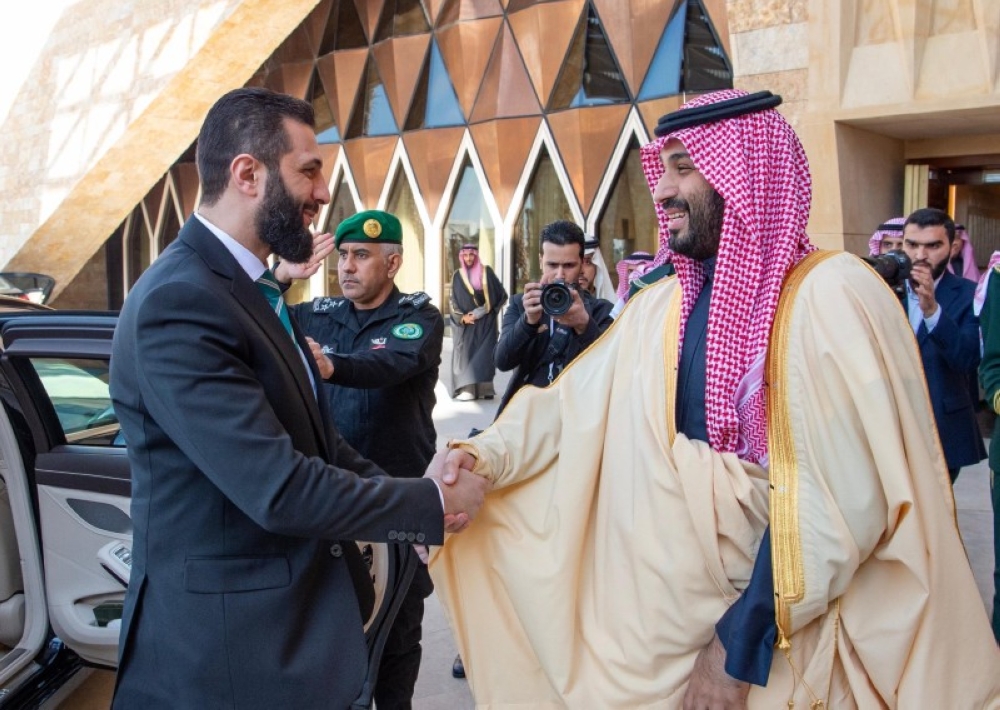
لم تكن الدبلوماسية السعودية في الملف السوري وليدة لحظة، بل تحركت ضمن مسار طويل اتسم بالحذر الاستراتيجي والتموضع الهادئ. ومنذ اندلاع الأزمة، اختارت الرياض سياسة تتكيّف مع تعقيدات الجغرافيا السورية وتوازنات الإقليم، دون أن تتخلى عن ثوابتها: سيادة الدولة، ورفض التدخل الأجنبي، والرهان على الحل السياسي.
وفي خضم التحولات الأخيرة داخل سورية، بدت المملكة في موقع الفاعل الإقليمي الهادئ الذي لا يرفع صوته كثيرًا، لكنه يُحدث تأثيرًا مباشرًا على الأرض، سياسيًا واجتماعيًا، من دون استعراض أو استقطاب.
سياسة الصمت النشط:
السعودية لم تختر المواجهة الصريحة في الملف السوري بقدر ما اختارت "الصمت النشط”، وهو أسلوب دبلوماسي يعتمد على التأثير الهادئ، وتحريك الأدوات السياسية من الخلف، دون الدخول في استعراضات علنية أو مسارات متضخمة.
هذه السياسة جعلت من الرياض نقطة توازن في صراع محكوم بالأطراف المتناقضة. حافظت على مسافة واحدة من الجميع، لكنها احتفظت بقدرتها على التأثير من خلال بناء القنوات السياسية الهادئة مع دمشق من جهة، ومع القوى الفاعلة إقليميًا ودوليًا من جهة أخرى.
منع التدخل الأجنبي:
رغم اشتداد التنافس على الأرض السورية بين قوى خارجية، ظلت السعودية ثابتة على موقفها الاستراتيجي في رفض التدخل العسكري الأجنبي أو فرض التغيير بالقوة. لم يكن هذا الموقف مجاملة للشرعية السورية بقدر ما كان تعبيرًا عن مبدأ أوسع: الحفاظ على استقرار الدول، ورفض التدويل كأداة للفوضى.
بهذا الموقف، وضعت الرياض حدًا فاصلًا بين الموقف السياسي والموقف الأمني، فهي لا تتبنى سياسات النظام السوري، لكنها لا تقبل بتحويل سورية إلى ساحة نفوذ للقوى العابرة للحدود.
تعزيز الحل السلمي:
التحرك السعودي نحو الدفع باتجاه التسويات الداخلية لم يكن مرتبطًا بحدث معيّن، بل جاء كتراكم سياسي طويل قاد إلى لحظة قبول تدريجي من الأطراف السورية بإمكانية الحل من الداخل. لم تدفع الرياض في اتجاه صيغة جاهزة، بل دعمت فكرة الاستقرار التدريجي: وقف إطلاق النار، تهدئة مناطق النزاع، ثم الدفع باتجاه المعالجات السياسية.
هذا النمط الهادئ، والمبني على ترتيب الأولويات، جعل من السعودية طرفًا مرحّبًا به حتى لدى الخصوم، لأنها لا تحمل مشروعًا توسعيًا، بل تُعيد تعريف دور الدولة من خلال الاستقرار الوطني لا الولاءات الخارجية.
رسائل غير مُعلنة:
في اللحظات التي يُعلن فيها عن تهدئة جنوبية، أو استقرار في محيط السويداء، تظهر البصمة السعودية كعامل ضغط إقليمي غير معلن. فالمملكة ليست على الطاولة فحسب، بل تُعيد ترتيبها بما يتوافق مع مفاهيم الدولة لا الميليشيا، ومع الأمن لا الاستقطاب.
كل تهدئة محلية لا تنفصل عن سياق إقليمي أكبر، وكل تسوية داخلية في سورية لا تخلو من تقاطع سعودي-سوري بهدوء وبلا وسطاء. وهذه هي مكامن القوة الفعلية للدبلوماسية السعودية: التأثير من خارج مركز المعركة.
الدبلوماسية السعودية في الملف السوري ليست استجابة طارئة، بل إستراتيجية تراكمية تتقاطع فيها المبادئ مع الواقع. لا تشتبك الرياض مع الفوضى، لكنها تُحدِّد إيقاعها. لا تملأ الشاشات بتصريحات نارية، لكنها تضبط الإيقاع في غرف القرارات.
وفي زمن تتقاطع فيه المصالح على الخرائط المشتعلة، تبقى السعودية حجر التوازن الذي يُمسك بخيط الداخل السوري، لا ليشدّه نحو المحاور، بل ليُعيد ربطه بمفهوم الدولة.
The Saudi diplomacy regarding the Syrian file was not born out of a moment, but rather moved within a long trajectory characterized by strategic caution and quiet positioning. Since the outbreak of the crisis, Riyadh has chosen a policy that adapts to the complexities of the Syrian geography and the regional balances, without abandoning its constants: state sovereignty, rejection of foreign intervention, and reliance on a political solution.
Amid the recent transformations within Syria, the Kingdom appeared as a quiet regional actor that does not raise its voice much, yet has a direct impact on the ground, politically and socially, without showcasing or polarizing.
Active Silence Policy:
Saudi Arabia did not choose explicit confrontation in the Syrian file as much as it chose "active silence," a diplomatic approach that relies on quiet influence and maneuvering political tools from behind the scenes, without engaging in public displays or inflated pathways.
This policy has made Riyadh a balancing point in a conflict governed by contradictory parties. It maintained an equal distance from everyone, yet retained its ability to influence by building quiet political channels with Damascus on one hand, and with regionally and internationally active forces on the other.
Preventing Foreign Intervention:
Despite the intensifying competition on Syrian ground among external powers, Saudi Arabia remained steadfast in its strategic position of rejecting foreign military intervention or imposing change by force. This position was not a courtesy to the Syrian legitimacy as much as it was an expression of a broader principle: maintaining the stability of states and rejecting internationalization as a tool for chaos.
With this stance, Riyadh drew a clear line between the political position and the security position; it does not adopt the policies of the Syrian regime, but it does not accept turning Syria into a sphere of influence for transnational forces.
Enhancing the Peaceful Solution:
The Saudi movement towards pushing for internal settlements was not linked to a specific event, but rather came as a long political accumulation that led to a gradual acceptance from the Syrian parties of the possibility of an internal solution. Riyadh did not push towards a ready-made formula, but supported the idea of gradual stability: a ceasefire, calming conflict areas, and then pushing towards political remedies.
This calm pattern, built on prioritizing arrangements, made Saudi Arabia a welcomed party even among adversaries, as it does not carry an expansionist project, but rather redefines the role of the state through national stability rather than external loyalties.
Undeclared Messages:
In moments when a southern calm or stability around Sweida is announced, the Saudi fingerprint appears as an undeclared regional pressure factor. The Kingdom is not just at the table; it rearranges it in accordance with the concepts of the state rather than militias, and with security rather than polarization.
Every local calm is not separate from a larger regional context, and every internal settlement in Syria is not devoid of a quiet Saudi-Syrian intersection without intermediaries. This is where the actual strength of Saudi diplomacy lies: influencing from outside the center of the battle.
Saudi diplomacy in the Syrian file is not an emergency response, but a cumulative strategy where principles intersect with reality. Riyadh does not engage with chaos, but rather sets its rhythm. It does not fill screens with fiery statements, but it regulates the tempo in decision-making rooms.
In a time when interests intersect on burning maps, Saudi Arabia remains the balancing stone that holds the thread of the Syrian interior, not to pull it towards axes, but to reconnect it with the concept of the state.