أكدت المملكة أهمية تنفيذ اتفاقية الأمم المتحدة الإطارية بشأن تغير المناخ واتفاق باريس، ودعت الدول المتقدمة إلى الوفاء بالتزاماتها الدولية تجاه الدول النامية، خصوصاً في ما يتعلق بتمويل العمل المناخي وبناء القدرات.
جاء ذلك في بيان مشترك قدمته المملكة، وانضمت له 62 دولة، وألقاه المندوب الدائم للمملكة لدى الأمم المتحدة والمنظمات الدولية في جنيف السفير عبدالمحسن بن خثيلة أمام مجلس حقوق الإنسان في حلقة النقاش السنوية حول الآثار السلبية لتغير المناخ على حقوق الإنسان.
وأعرب السفير بن خثيلة عن قلق المملكة البالغ من أن العجز المزمن في تمويل المناخ يُقوّض قدرة الدول النامية على حماية حقوق الإنسان، والتكيف مع تداعيات تغير المناخ، مؤكداً أن الآثار السلبية للتغير المناخي لا تزال تُهدد التمتع الكامل والفعال بحقوق الإنسان خصوصاً في الدول النامية وبين الفئات الأكثر ضعفاً.
وأشار إلى أهمية التنفيذ الكامل والفعال والمستدام لاتفاقية الأمم المتحدة الإطارية بشأن تغير المناخ واتفاق باريس، بوصفهما جزءاً أساسياً من جهود تحقيق التنمية المستدامة، والقضاء على الفقر والجوع وسوء التغذية، وتعزيز مرونة المجتمعات المتضررة.
وشدد بن خثيلة على تمسك المملكة بمبدأ المسؤوليات المشتركة ولكن المتباينة والقدرات الخاصة، بوصفه حجر الزاوية في التعاون الدولي في مجال المناخ، مؤكداً ضرورة اضطلاع الدول المتقدمة بدورها القيادي في خفض الانبعاثات وتقديم الدعم المالي والتقني وبناء القدرات للدول النامية.
وأوضح السفير بن خثيلة، في ختام البيان، أن المساهمات المحددة وطنياً تشكل أساساً لمسارات الانتقال العادل، ويجب أن تراعي هذه المسارات الظروف الوطنية، ومبادئ الإنصاف، دون فرض أي نهج تنازلي أو إلزامي لا يتوافق مع الأوضاع الاجتماعية والاقتصادية لكل دولة.
في مجلس حقوق الإنسان.. المملكة تدعو لالتزام دولي عادل في تمويل العمل المناخي
30 يونيو 2025 - 18:19
|
آخر تحديث 30 يونيو 2025 - 18:19
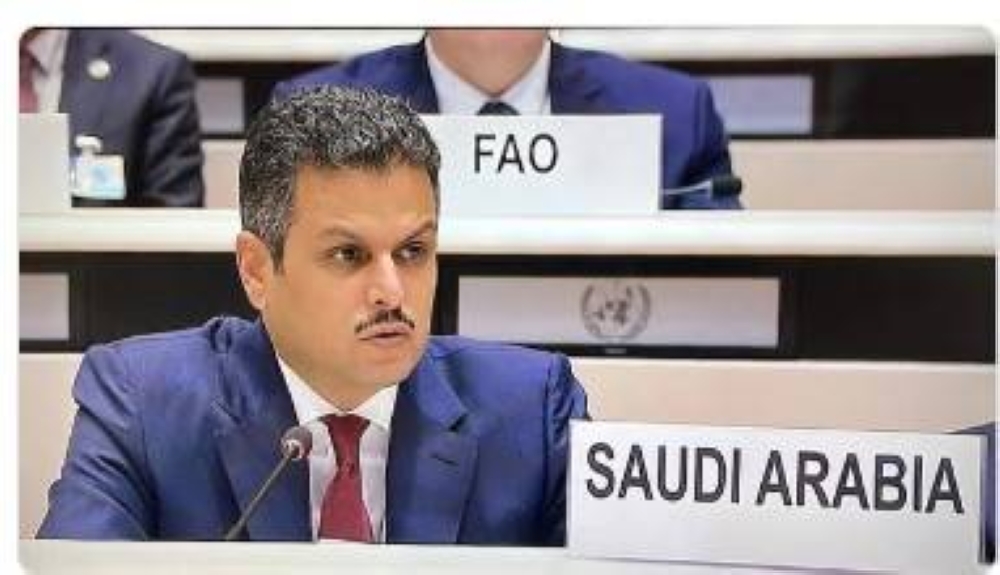
السفير عبدالمحسن بن خثيلة


تابع قناة عكاظ على الواتساب
«عكاظ» (جنيف)
The Kingdom emphasized the importance of implementing the United Nations Framework Convention on Climate Change and the Paris Agreement, and called on developed countries to fulfill their international commitments towards developing countries, particularly regarding climate finance and capacity building.
This was stated in a joint statement presented by the Kingdom, joined by 62 countries, and delivered by the Kingdom's Permanent Representative to the United Nations and international organizations in Geneva, Ambassador Abdul Mohsen bin Khutaila, before the Human Rights Council during the annual discussion on the negative impacts of climate change on human rights.
Ambassador bin Khutaila expressed the Kingdom's deep concern that the chronic shortfall in climate financing undermines the ability of developing countries to protect human rights and adapt to the impacts of climate change, emphasizing that the negative effects of climate change continue to threaten the full and effective enjoyment of human rights, particularly in developing countries and among the most vulnerable groups.
He pointed to the importance of the full, effective, and sustainable implementation of the United Nations Framework Convention on Climate Change and the Paris Agreement, as they are an essential part of efforts to achieve sustainable development, eradicate poverty and hunger, and enhance the resilience of affected communities.
Bin Khutaila stressed the Kingdom's commitment to the principle of common but differentiated responsibilities and respective capabilities, as a cornerstone of international cooperation in the field of climate, affirming the necessity for developed countries to take their leading role in reducing emissions and providing financial and technical support and capacity building for developing countries.
In conclusion, Ambassador bin Khutaila clarified that nationally determined contributions form the basis for just transition pathways, and these pathways must take into account national circumstances and principles of equity, without imposing any downward or mandatory approach that does not align with the social and economic conditions of each country.
This was stated in a joint statement presented by the Kingdom, joined by 62 countries, and delivered by the Kingdom's Permanent Representative to the United Nations and international organizations in Geneva, Ambassador Abdul Mohsen bin Khutaila, before the Human Rights Council during the annual discussion on the negative impacts of climate change on human rights.
Ambassador bin Khutaila expressed the Kingdom's deep concern that the chronic shortfall in climate financing undermines the ability of developing countries to protect human rights and adapt to the impacts of climate change, emphasizing that the negative effects of climate change continue to threaten the full and effective enjoyment of human rights, particularly in developing countries and among the most vulnerable groups.
He pointed to the importance of the full, effective, and sustainable implementation of the United Nations Framework Convention on Climate Change and the Paris Agreement, as they are an essential part of efforts to achieve sustainable development, eradicate poverty and hunger, and enhance the resilience of affected communities.
Bin Khutaila stressed the Kingdom's commitment to the principle of common but differentiated responsibilities and respective capabilities, as a cornerstone of international cooperation in the field of climate, affirming the necessity for developed countries to take their leading role in reducing emissions and providing financial and technical support and capacity building for developing countries.
In conclusion, Ambassador bin Khutaila clarified that nationally determined contributions form the basis for just transition pathways, and these pathways must take into account national circumstances and principles of equity, without imposing any downward or mandatory approach that does not align with the social and economic conditions of each country.