


وافقت وزارة البيئة والمياه والزراعة، على مجموعة من الضوابط والمتطلبات التي يجب أن تلتزم بها المنشآت الواقعة بأسواق النفع العام للخضار والفواكه واللحوم والبيض والأسماك. وشددت الوزارة، على ضرورة أن تلتزم المنشأة بتوفير ستائر هوائية أو بلاستيكية على أبواب المداخل الخارجية؛ لمنع دخول الحشرات، وتوفير إضاءة طبيعية أو صناعية أو كلتيهما في جميع أنحاء المنشأة على ألا تُغيّر الإضاءة الصناعية في استخدامها من طبيعة الألوان، مع ملاءمة قوة الإضاءة لطبيعة العمليات، مع ضرورة توفير مولد طاقة احتياطي.
وألزمت الوزارة، المنشآت بتوفير تهوية طبيعية، أو صناعية، أو كلتيهما؛ لمنع ارتفاع درجة الحرارة وتكاثف الأبخرة وتراكم الغبار والأتربة، ولإزالة الهواء الملوث، مع المحافظة على نظافتها باستمرار، ويُمنع استخدام التكييف الصحراوي.
وأكدت الضوابط، على ضرورة توفير عدد من مغاسل الأيدي المناسبة ويُفضّل أن تزوّد بصنابير من النوع الذي يعمل بالاستشعار عن بُعد أو بالقدم أو بالركبة أو بالمرفق، على أن يكون إمداد الماء بدرجة حرارة كافية، مع وضع ملصقات إرشادية في الأماكن المناسبة، وتوفير حاوية نفايات وصابون سائل ومناشف ورقية عالية الامتصاص أو مجفّفات بواسطة الهواء الساخن أو كليهما.
ونصت ضوابط الوزارة، على ضرورة أن تزوّد المنشأة بالتجهيزات المناسبة للنشاط لتكون الخامات المستخدمة في تصنيع المعدات التي تتلامس مع الأغذية لا تسمح بانتقال المواد الضارة بالصحة إلى الأغذية، مع تصميم الأواني وأسطح المعدات التي تتلامس مع الأغذية بحيث تكون آمنة وعالية التحمّل، ومقاومة للتآكل؛ لمقاومة عملية الغسل المتكرر، وسهلة التنظيف.
وأوضحت الضوابط، ضرورة أن تُصمم وتُصنع المعدات التي تتطلب مواد التزييت، بحيث لا يمكن لمواد التزييت التسرّب أو التساقط إلى داخل الأغذية، وعلى الأسطح التي تتلامس مع الأغذية، ومنع استخدام الخشب، مع ضرورة أن تكون واجهة المحلات من الزجاج الشفاف لتسمح بالرؤية من الداخل والخارج، على أن تكون أرفف العرض والتخزين طويلة باتجاه الواجهة، وعدم العرض أو التخزين على الواجهة مباشرةً من الداخل أو الخارج. وفي اشتراطات النظافة العامّة، أكدت الوزارة على ضرورة غسل وتنظيف وتطهير المعدات والأدوات والمباني بطريقة تمنع تلوث الأغذية، وبصفة دورية، بحيث تتم المحافظة عليها نظيفة باستمرار، ووجود فتحات تصريف مياه الغسل مع الالتزام بعدم خروج مياه الغسل خارج حدود المنشأة، وأن تكون جميع مركّبات ومطهّرات التنظيف المستخدمة في تنظيف الأسطح الملامسة للمنتجات الغذائية غير ضارة على الأغذية، على أن يتم تخزينها في دواليب أو أماكن خاصة بها.
تطهير الثلاجات وصيانتها
وألزمت الوزارة هذه النوعية من المنشآت بوضع الملصقات الإرشادية الخاصة باتباع قواعد النظافة العامّة في مختلف أماكن المنشأة، بحيث تكون ظاهرة لجميع العاملين وبلغاتهم وعليهم التقيّد بها، مع تنظيف وتطهير الثلاجات بشكل مستمر بما يضمن سلامة المنتج، وأن توضع ثلاجات البيع المفتوحة في مكان بعيد عن مصدر الحرارة أو ضوء الشمس المباشر، وأن يزال الثلج المتراكم في الثلاجات العادية المكونة للثلج بصورة دورية، مع القيام بصيانة دورية للثلاجات. وبخصوص متطلبات مكافحة الآفات، شددت الوزارة على ضرورة فحص المنتجات الغذائية عند وصولها؛ لضمان عدم وجود آفات بها، وتوفر الأجهزة القاتلة للحشرات الطائرة. وشددت الوزارة على وجوب وجود شبكة ومصائد على فتحات التصريف؛ لمنع دخول الآفات، مع استخدام مبيدات آفات الصحة العامة الآمنة المسجلة بالهيئة العامة للغذاء والدواء في حالة عدم فعالية الطرق الطبيعية السابقة في المكافحة دون تلوث الأغذية والمعدات والتجهيزات، ويفضل عن طريق الشركات المتخصّصة في هذا المجال.
ستائر هوائية أو بلاستيكية على أبواب المداخل الخارجية..
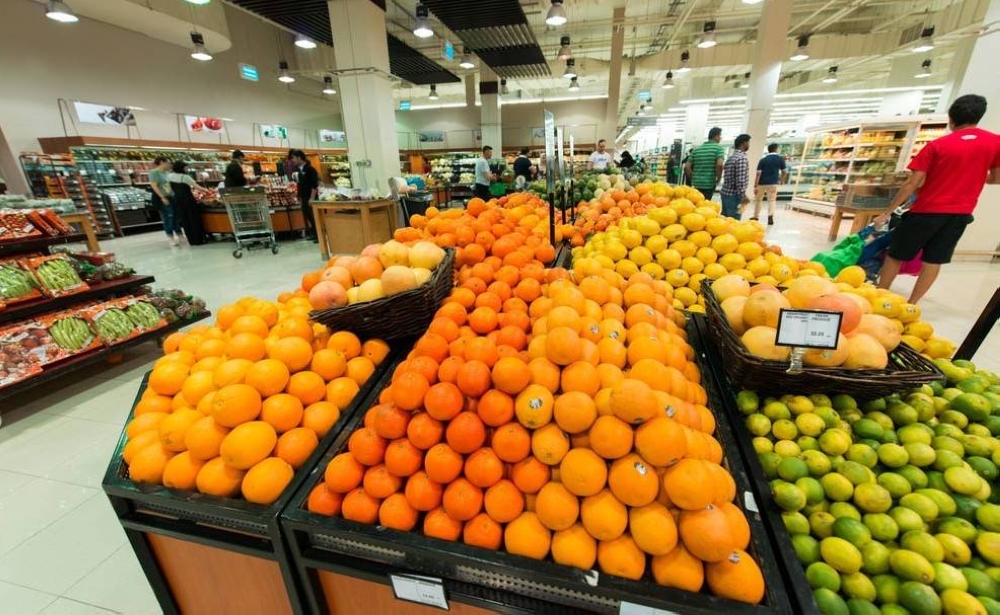
فحص المنتجات الغذائية عند وصولها أسواق الخضار والفواكه واللحوم
29 يونيو 2025 - 01:13
|
آخر تحديث 1 يوليو 2025 - 01:24


تابع قناة عكاظ على الواتساب
إبراهيم العلوي (جدة) i_waleeed22@
The Ministry of Environment, Water, and Agriculture has approved a set of regulations and requirements that establishments located in public markets for vegetables, fruits, meats, eggs, and fish must adhere to. The ministry emphasized the necessity for establishments to provide air or plastic curtains at the external entrance doors to prevent the entry of insects, and to ensure natural or artificial lighting, or both, throughout the establishment, provided that the artificial lighting does not alter the nature of colors, with the intensity of the lighting suitable for the nature of the operations, along with the necessity of providing a backup power generator.
The ministry mandated that establishments provide natural or artificial ventilation, or both, to prevent temperature rise, condensation of vapors, and accumulation of dust and dirt, and to remove contaminated air, while maintaining cleanliness continuously. The use of swamp coolers is prohibited.
The regulations confirmed the necessity of providing a number of suitable handwashing sinks, preferably equipped with faucets that operate by remote sensing, foot, knee, or elbow, with water supply at a sufficient temperature, along with placing informative labels in appropriate locations, and providing waste containers, liquid soap, and highly absorbent paper towels or air dryers, or both.
The ministry's regulations stipulated that the establishment must be equipped with suitable facilities for the activity, ensuring that the raw materials used in manufacturing equipment that comes into contact with food do not allow harmful substances to transfer to the food. The design of the utensils and surfaces of the equipment that come into contact with food should be safe, highly durable, and resistant to corrosion; to withstand repeated washing processes and be easy to clean.
The regulations clarified the necessity for equipment requiring lubricating materials to be designed and manufactured in such a way that lubricating materials cannot leak or fall into the food, and on surfaces that come into contact with food, while preventing the use of wood. The storefronts must be made of transparent glass to allow visibility from inside and outside, with display and storage shelves extending towards the storefront, and no display or storage directly on the storefront from inside or outside. Regarding general cleanliness requirements, the ministry emphasized the necessity of washing, cleaning, and disinfecting equipment, tools, and buildings in a manner that prevents food contamination, regularly, to keep them continuously clean, and the presence of drainage openings for washing water, adhering to the requirement that washing water does not exit the boundaries of the establishment. All cleaning compounds and disinfectants used on surfaces that come into contact with food must be non-harmful to food and should be stored in cabinets or designated areas.
Disinfection and Maintenance of Refrigerators
The ministry required these types of establishments to place informative labels regarding adherence to general cleanliness rules in various areas of the establishment, making them visible to all employees in their languages, and they must comply with them. Refrigerators must be cleaned and disinfected continuously to ensure product safety, and open sale refrigerators should be placed away from heat sources or direct sunlight. Accumulated ice in regular refrigerators must be removed periodically, along with conducting regular maintenance of the refrigerators. Regarding pest control requirements, the ministry stressed the necessity of inspecting food products upon arrival to ensure there are no pests present, and the availability of devices that kill flying insects. The ministry emphasized the need for screens and traps on drainage openings to prevent pest entry, using safe public health pesticides registered with the General Authority for Food and Drug when previous natural methods are ineffective, without contaminating food, equipment, and facilities, preferably through specialized companies in this field.
The ministry mandated that establishments provide natural or artificial ventilation, or both, to prevent temperature rise, condensation of vapors, and accumulation of dust and dirt, and to remove contaminated air, while maintaining cleanliness continuously. The use of swamp coolers is prohibited.
The regulations confirmed the necessity of providing a number of suitable handwashing sinks, preferably equipped with faucets that operate by remote sensing, foot, knee, or elbow, with water supply at a sufficient temperature, along with placing informative labels in appropriate locations, and providing waste containers, liquid soap, and highly absorbent paper towels or air dryers, or both.
The ministry's regulations stipulated that the establishment must be equipped with suitable facilities for the activity, ensuring that the raw materials used in manufacturing equipment that comes into contact with food do not allow harmful substances to transfer to the food. The design of the utensils and surfaces of the equipment that come into contact with food should be safe, highly durable, and resistant to corrosion; to withstand repeated washing processes and be easy to clean.
The regulations clarified the necessity for equipment requiring lubricating materials to be designed and manufactured in such a way that lubricating materials cannot leak or fall into the food, and on surfaces that come into contact with food, while preventing the use of wood. The storefronts must be made of transparent glass to allow visibility from inside and outside, with display and storage shelves extending towards the storefront, and no display or storage directly on the storefront from inside or outside. Regarding general cleanliness requirements, the ministry emphasized the necessity of washing, cleaning, and disinfecting equipment, tools, and buildings in a manner that prevents food contamination, regularly, to keep them continuously clean, and the presence of drainage openings for washing water, adhering to the requirement that washing water does not exit the boundaries of the establishment. All cleaning compounds and disinfectants used on surfaces that come into contact with food must be non-harmful to food and should be stored in cabinets or designated areas.
Disinfection and Maintenance of Refrigerators
The ministry required these types of establishments to place informative labels regarding adherence to general cleanliness rules in various areas of the establishment, making them visible to all employees in their languages, and they must comply with them. Refrigerators must be cleaned and disinfected continuously to ensure product safety, and open sale refrigerators should be placed away from heat sources or direct sunlight. Accumulated ice in regular refrigerators must be removed periodically, along with conducting regular maintenance of the refrigerators. Regarding pest control requirements, the ministry stressed the necessity of inspecting food products upon arrival to ensure there are no pests present, and the availability of devices that kill flying insects. The ministry emphasized the need for screens and traps on drainage openings to prevent pest entry, using safe public health pesticides registered with the General Authority for Food and Drug when previous natural methods are ineffective, without contaminating food, equipment, and facilities, preferably through specialized companies in this field.


