طالب مجلس الشورى، وزارة الموارد البشرية والتنمية الاجتماعية، بالإسراع في استكمال التحوّل إلى الدور التنظيمي والإشرافي، وقياس مستوى التقدم فيه وتقييم أثر أنماط العمل الحديثة وتعزيزها؛ لتحقيق التوازن بين الأمان الوظيفي وخصائص سوق العمل المحلي.
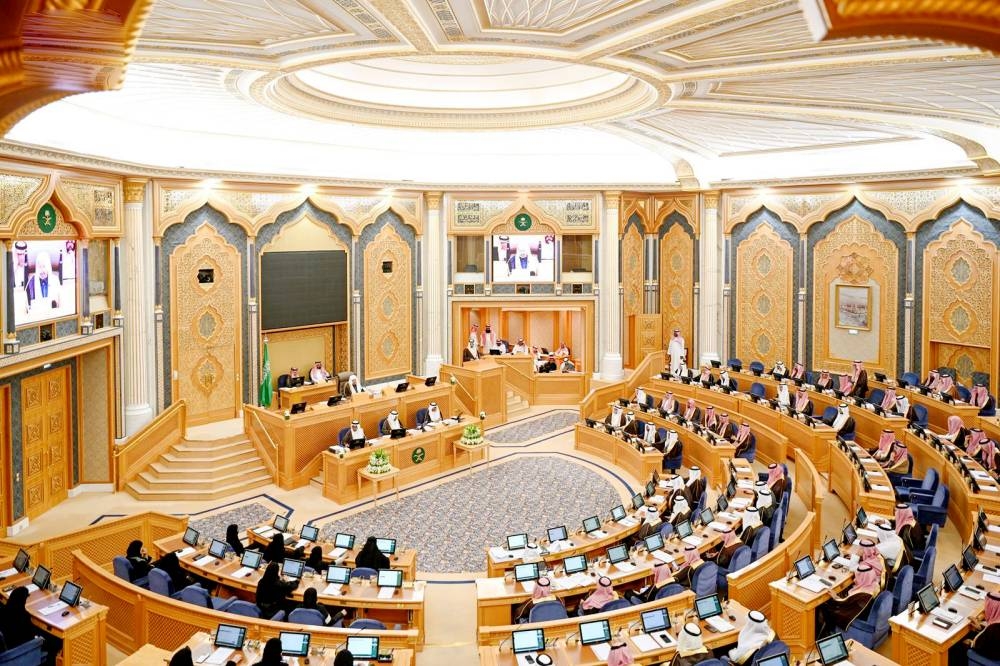
ودعا المجلس، في جلسته العادية الثالثة والثلاثين من أعمال السنة الأولى للدورة التاسعة المنعقدة برئاسة نائب رئيس المجلس الدكتور مشعل فهم السُّلمي، الهيئة العامة للطرق لتطوير مؤشرات أداء مقارنة ترصد التغيّرات بشكل دوري، وإعداد خريطة طريق استثمارية للقطاع، ترتكز على الفرص ذات الأولوية العالية القابلة للقياس والتطبيق. وطالب الهيئة العامة للغذاء والدواء -بالتنسيق مع الجهات ذات العلاقة- بتطوير البنية التحليلية والتخزينية لمختبراتها التخصصية، المتعلقة بضمان وسلامة مأمونية الغذاء والدواء. وطالب الهيئة السعودية للملكية الفكرية باتخاذ الإجراءات اللازمة؛ لرفع نسبة إنجاز المبادرات المرتبطة بالإستراتيجية الوطنية للملكية الفكرية. كما طالب المركز الوطني لسلامة النقل بإجراء فحوصات وقائية لسلامة الطرق في النقاط الحرجة، وفق منهجيتي الفحص التفصيلي والتدقيق. وطالب صندوق البيئة، بالعمل على تعزيز مكانته الدولية مع الجهات المتخصصة في مجالات البيئة والاستدامة ومراجعة سياسات وإجراءات قياس الأثر البيئي للمشاريع التي يمولها، داعياً المركز إلى دراسة آليات تمويلية مبتكرة؛ تمكّنه من الاستفادة من مساهمات الجهات ذات الأثر البيئي السلبي. وطالب المركز الوطني لتنمية الحياة الفطرية التنسيق مع الجهات المعنية؛ لمعالجة تحديات تحقيق مستهدف المملكة للمناطق المحمية، بما يمكّنه من إعلان المناطق المحمية المقترحة في الخطة الوطنية.
وناقش المجلس، التقرير السنوي لوزارة التعليم، ولفت عضو المجلس الدكتور عبدالله الوقداني، إلى وجود فجوة بين نتائج اختبارات القدرات والتحصيلي والاختبارات الدولية والمحلية التي أجرتها هيئة تقويم التعليم والتدريب وما تمنحه بعض المدارس من درجات، وطلبت اللجنة منحها مزيداً من الوقت لدراسة ما طُرِح من توصيات والعودة بوجهة نظرها إلى المجلس في جلسة لاحقة. كما ناقش التقرير السنوي للهيئة العامة للأمن الغذائي، إذ طالب عضو المجلس المهندس إبراهيم آل دغرير، بعمل الدراسات اللازمة للاحتياج السنوي لمخزون المواد الغذائية الأساسية حسب الوضع العالمي وتقديم الخطة السنوية للشراء والتخزين وذلك بالتنسيق مع الجهات ذات العلاقة. وناقش المجلس التقرير السنوي لهيئة التأمين، ودعا عضو المجلس المهندس خالد البريك، هيئة التأمين إلى دراسة المشكلات الحالية والتحديات والمخاطر التي تواجه استدامة شركات قطاع التأمين واقتراح الحلول والممكنات والحوافز وذلك بالتنسيق مع الجهات ذات العلاقة، ودعت عضو المجلس الدكتورة دلال نمنقاني، إلى أهمية استكمال الدراسات والإجراءات اللازمة بشأن إلزامية إدراج البرامج الوقائية ضمن باقات التأمين الصحي، وهو ما يُعرف بـ«التأمين الصحي الوقائي».
مدخلي: مزايا تشجيعية لمعلمي الصفوف الأولية
اقترح عضو مجلس الشورى الدكتور عاصم مدخلي، على وزارة التعليم ربط تدريس المرحلة الابتدائية بمعلمين متخصصين، بشرط حصول معلميها على شهادة اجتياز، وحضور برنامج معتمد، ينفذ من خلال ورش عمل، ولقاءات، ويخضع لاختبارات عملية ونظرية بالتنسيق مع الجامعات السعودية في كل منطقة، ومع المعهد الوطني للتطوير المهني التعليمي والجهات الحكومية ذات العلاقة.
وتطلّع مدخلي، لدراسة إمكانية منح مزايا تشجيعية لمعلمي الصفوف الأولية؛ في ظل الجهد المضاعف الذي يبذله معلموها، مؤكداً، أن المرحلة الابتدائية وتحديداً الصفوف الأولية، ركيزة أساسية في رحلة التعليم والتعلم، وقال في مداخلته على تقرير لجنة التعليم والبحث العلمي: «من المناسب توجيه مساعدي المعلمين المعينين حديثاً، للعمل مساعدين لمعلمي مرحلة الطفولة المبكرة، لتخفيف العبء عليهم، ومشاركتهم في إعداد وتهيئة البيئة الصفية لتدريس الطلبة، وربط الإذن بإنشاء فصول مدارس الطفولة المبكرة مع حالة المباني، وجاهزيتها، بالسبورات الذكية، والبروجكترات التفاعلية، والمعامل».
ودعا مدخلي، الوزارة إلى تطوير دليل إرشادي معتمد لاجتياز الطلبة اختبارات «نافس»، على أن يكون الدليل والنماذج جزءاً من خطة المنهج المقرر على مدار العام الدراسي؛ لتزويد الطلاب بالمهارات اللازمة لطرق اجتياز تلك الاختبارات. كما دعا لزيادة فاعلية رقابة الوزارة على الغذاء المدرسي، والتشديد على تنوع الوجبات الغذائية المقدمة للطلبة مع دراسة إسناد جوانب المتابعة والرقابة والتفتيش على الغذاء المدرسي إلى القطاع الخاص ورفع تقارير الأداء والملحوظات -إن وجدت- إلى الإدارة المختصة في الوزارة.
الحازمي: الفصول الثلاثة سبب غياب الطلاب
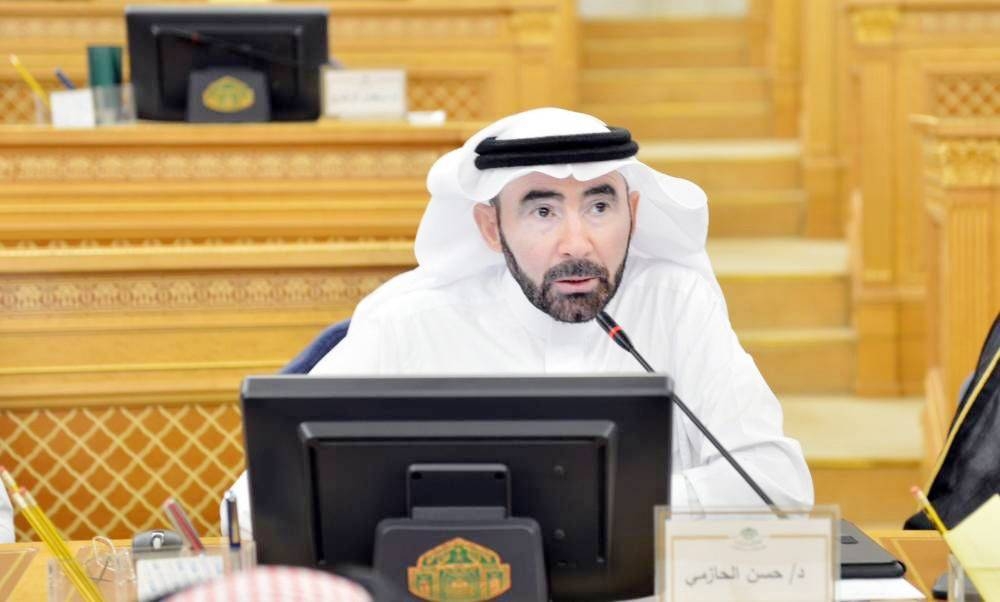
من جانبه، أرجع عضو مجلس الشورى الدكتور حسن حجاب الحازمي، غياب طلاب مدارس التعليم العام، الذي تجاوز كل الحدود، إلى الفصول الدراسية الثلاثة التي أطالت أمد العام الدراسي بشكل ممل ودافع للتسرب، وإلى الإجازات المطولة التي يستغلها الطلاب فيغيبون قبلها وبعدها، إضافةً إلى البيئة المدرسية التي تفتقد الجاذبية والتهيئة المرغّبة للطلاب. وتساءل الحازمي، في مداخلته على تقرير لجنة التعليم والبحث العلمي، عن نسبة المدارس التي تتوفر فيها فصول مريحة غير مزدحمة بالطلاب، وملاعب مهيأة، وأماكن استراحة، وطرائق تعليم جاذبة، كما تساءل عن إصرار الوزارة على تطويل التقويم الدراسي على الرغم من الأجواء الحارة في الصيف، والإصرار على تنفيذه حتى ولو غاب معظم الطلاب، كما حصل في رمضان. وعدّ الحازمي، الغياب الجماعي المتكرر على امتداد العام الدراسي الطويل مؤثراً سلبياً على التحصيل الدراسي، وعلى جودة التعليم.
وذهب إلى أن الحل يبدأ بإعادة نظام الفصلين الدراسيين، وتقليص الإجازات المطولة، وإعادة النظر في التقويم الدراسي المطول، ومضاعفة الجهد لتهيئة البيئة المدرسية لتغدو جاذبة ومشجعة على التعلم والتعليم في كل المناطق والأماكن وفي جميع المراحل.
الحازمي قال: إنه لم يجد في التقرير ما يشير إلى قياس مدى رضا مديري ومعلمي وطلاب المدارس عن الخدمات المقدمة لهم، وتساءل: أين قياس نسبة رضا المستفيدين في المدارس بإداراتها ومعلميها وطلبتها عما يقدم لهم من خدمات؟
عودة مهارات القراءة والكتابة في «الابتدائية»
ثمّن الدكتور حسن الحازمي، اعتماد تعليم اللغة الصينية في مدارس التعليم العام، كون التجربة جديدة، وربما تكون مناسبة للتطورات والمتغيرات الاقتصادية التي تشهدها المملكة، وطالب بألا تكرر الوزارة ما حدث في تجربة تعليم اللغة الإنجليزية في التعليم العام التي لم تنجح في تخريج طلبة من المرحلة الثانوية يجيدون الحديث أو الكتابة باللغة الإنجليزية، داعياً لقياس تجربة تعليم اللغة الصينية واللغة الإنجليزية في مدارسنا، بأدوات قياس تمكّنها من الحكم على التجربة وتحسينها وتطويرها باستمرار.
وتطلّع الحازمي، إلى أن تعود الوزارة إلى الطريقة القديمة في تعليم مهارات القراءة والكتابة في المرحلة الابتدائية، وهي كتابة النص أكثر من مرة، وتهجّيه وقراءته أكثر من مرة، وشرح مفرداته والمساعدة في فهم محتواه. وأن يكون التركيز في الأعوام الثلاثة الأولى من المرحلة الابتدائية على مهارتي القراءة والكتابة فقط، مع إضافة بعض المبادئ الأساسية البسيطة في الرياضيات والعلوم، ويمكن من خلال مواد القراءة والكتابة بث المبادئ الدينية واللغوية والمعرفية البسيطة التي تناسب هذه المرحلة، مؤكداً أن هذا النهج يحتاج إلى إعداد معلمات ماهرات لهذه المهمة، وتدريبهن تدريباً عالياً يمكنهن من التركيز على إنجاز هذه المهمة باقتدار، بحيث ينجز الطالب والطالبة المراحل الثلاث الأولى وهو متقن لعملية القراءة والكتابة وقادر على فهم واستيعاب أي محتوى.
The Shura Council has urged the Ministry of Human Resources and Social Development to expedite the completion of the transition to a regulatory and supervisory role, measure the level of progress in it, and evaluate the impact of modern work patterns and enhance them; to achieve a balance between job security and the characteristics of the local labor market.
During its thirty-third regular session of the first year of the ninth term, chaired by the Deputy Chairman of the Council, Dr. Mishal Fahm Al-Sulami, the Council called on the General Authority for Roads to develop comparative performance indicators that monitor changes periodically, and to prepare an investment roadmap for the sector, based on high-priority opportunities that are measurable and applicable. The Council also requested the Saudi Food and Drug Authority - in coordination with relevant entities - to develop the analytical and storage infrastructure for its specialized laboratories related to ensuring the safety and security of food and drugs. The Saudi Authority for Intellectual Property was urged to take necessary measures to increase the completion rate of initiatives related to the National Intellectual Property Strategy. Additionally, the National Transport Safety Center was called upon to conduct preventive inspections for road safety at critical points, following detailed inspection and auditing methodologies. The Environmental Fund was asked to work on enhancing its international standing with specialized entities in the fields of environment and sustainability, and to review the policies and procedures for measuring the environmental impact of the projects it funds, calling on the center to study innovative financing mechanisms that enable it to benefit from contributions from entities with negative environmental impacts. The National Center for Wildlife Development was urged to coordinate with relevant entities to address the challenges of achieving the Kingdom's targets for protected areas, enabling it to announce the proposed protected areas in the national plan.
The Council discussed the annual report of the Ministry of Education, and Council member Dr. Abdullah Al-Waqdani pointed out the existence of a gap between the results of the aptitude and achievement tests and the international and local tests conducted by the Education and Training Evaluation Commission and the grades awarded by some schools. The committee requested more time to study the recommendations presented and return with its perspective to the Council in a later session. The annual report of the General Food Security Authority was also discussed, where Council member Engineer Ibrahim Al-Daghreer called for conducting necessary studies for the annual need for stockpiling basic food materials according to the global situation and presenting the annual purchasing and storage plan in coordination with relevant entities. The Council discussed the annual report of the Insurance Authority, and Council member Engineer Khalid Al-Buraik called on the Insurance Authority to study the current problems, challenges, and risks facing the sustainability of insurance sector companies and to propose solutions, possibilities, and incentives in coordination with relevant entities. Council member Dr. Dalal Namanqani emphasized the importance of completing the necessary studies and procedures regarding the mandatory inclusion of preventive programs within health insurance packages, known as "preventive health insurance."
Al-Madkhali: Incentives for Primary School Teachers
Shura Council member Dr. Asim Al-Madkhali proposed to the Ministry of Education to link the teaching of the primary stage with specialized teachers, provided that these teachers obtain a passing certificate and attend an accredited program implemented through workshops and meetings, and are subjected to practical and theoretical tests in coordination with Saudi universities in each region, and with the National Institute for Professional Educational Development and relevant government entities.
Al-Madkhali expressed his hope to study the possibility of granting incentives to primary school teachers, in light of the extra effort exerted by these teachers, emphasizing that the primary stage, specifically the early grades, is a fundamental pillar in the journey of education and learning. In his intervention on the report of the Education and Scientific Research Committee, he stated: "It is appropriate to direct newly appointed teacher assistants to work as aides to early childhood teachers, to alleviate their burden and assist them in preparing and organizing the classroom environment for teaching students, and to link the permission to establish early childhood school classes with the condition of the buildings, their readiness, with smart boards, interactive projectors, and laboratories."
Al-Madkhali called on the Ministry to develop an accredited guide for students to pass the "Nafes" tests, ensuring that the guide and models are part of the curriculum plan throughout the academic year; to equip students with the necessary skills to pass those tests. He also called for increasing the effectiveness of the Ministry's oversight on school food, emphasizing the importance of diversifying the meals provided to students, while studying the delegation of monitoring, oversight, and inspection aspects of school food to the private sector and submitting performance reports and observations - if any - to the relevant administration in the Ministry.
Al-Hazmi: The Three Semesters Cause Student Absences
For his part, Shura Council member Dr. Hassan Hijab Al-Hazmi attributed the absence of students in public education schools, which has exceeded all limits, to the three-semester system that has prolonged the academic year in a tedious manner and encouraged dropout, as well as to the long vacations that students exploit, causing them to be absent before and after. He also pointed out the unattractive school environment that lacks the desired preparation for students. Al-Hazmi questioned, in his intervention on the report of the Education and Scientific Research Committee, about the percentage of schools that have comfortable classrooms not overcrowded with students, prepared playgrounds, resting areas, and engaging teaching methods. He also questioned the Ministry's insistence on extending the academic calendar despite the hot summer weather, and its insistence on implementing it even if most students are absent, as happened during Ramadan. Al-Hazmi considered the repeated collective absences throughout the long academic year to have a negative impact on academic achievement and the quality of education.
He suggested that the solution begins with reverting to the two-semester system, reducing long vacations, reconsidering the extended academic calendar, and doubling efforts to prepare the school environment to become attractive and encouraging for learning and teaching in all regions and places and at all stages.
Al-Hazmi stated that he did not find in the report any indication of measuring the satisfaction of school principals, teachers, and students with the services provided to them, questioning: Where is the measurement of the satisfaction rate of beneficiaries in schools with their administrations, teachers, and students regarding the services provided to them?
The Return of Reading and Writing Skills in "Primary Education"
Dr. Hassan Al-Hazmi praised the adoption of teaching the Chinese language in public education schools, considering the experience new and possibly suitable for the economic developments and changes taking place in the Kingdom. He urged the Ministry not to repeat what happened in the experience of teaching the English language in public education, which did not succeed in graduating high school students who are proficient in speaking or writing in English, calling for measuring the experience of teaching Chinese and English in our schools with measurement tools that enable it to evaluate the experience and continuously improve and develop it.
Al-Hazmi expressed his hope that the Ministry would return to the old method of teaching reading and writing skills in primary education, which involves writing the text multiple times, spelling it, reading it multiple times, explaining its vocabulary, and helping in understanding its content. He emphasized that the focus in the first three years of primary education should be solely on reading and writing skills, with the addition of some basic principles in mathematics and science. Through reading and writing materials, simple religious, linguistic, and cognitive principles suitable for this stage can be disseminated, stressing that this approach requires the preparation of skilled female teachers for this task, and training them at a high level that enables them to focus on accomplishing this task proficiently, so that students master reading and writing and are capable of understanding and comprehending any content by the end of the first three stages.