منذ عهد الخلافة الأولى، ارتبطت القيادة بالمسؤولية، وتلازمت السلطة مع العدل، وبرزت شخصيات استثنائية صاغت معاني الزهد والحكم الرشيد، وكان عمر بن عبدالعزيز واحداً من أعظم تلك الأسماء. الخليفة الأموي الذي سار على نهج الخلفاء الراشدين، أعاد في عامين ونصف تعريف مفهوم الحكم، حتى باتت سيرته مصدر إلهام عبر القرون.
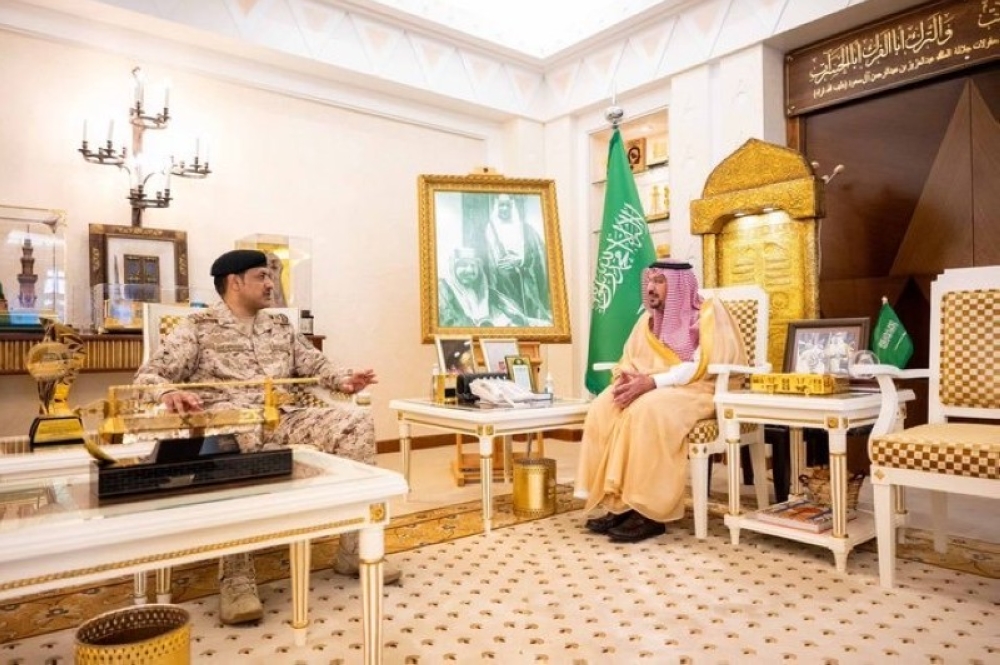
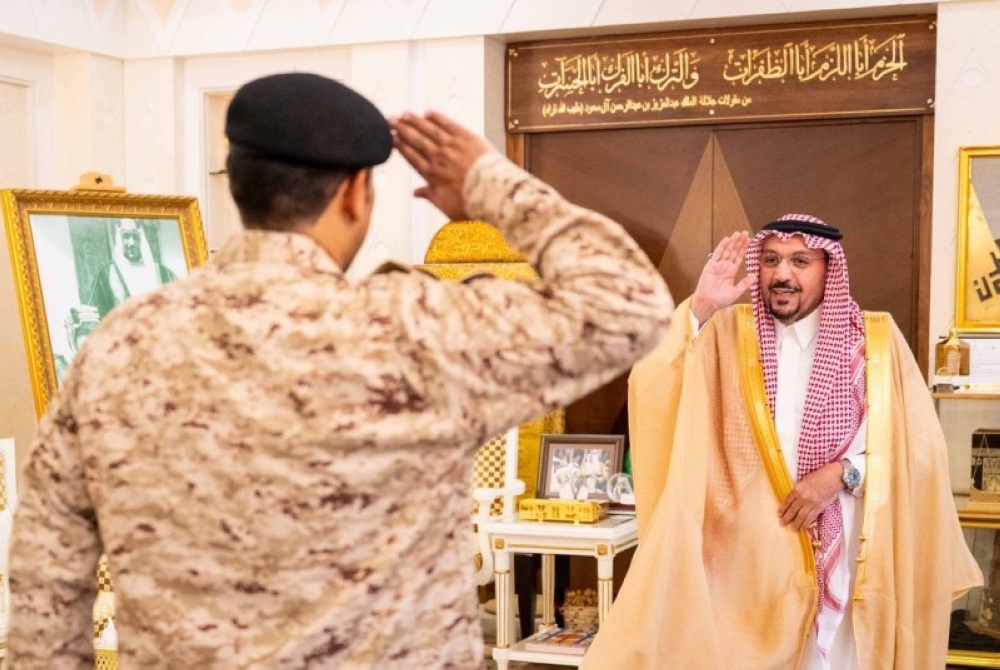
وفي امتداد لهذا المعنى، استقبل أمير منطقة القصيم الأمير الدكتور فيصل بن مشعل بن سعود بن عبدالعزيز، اللواء رضا بن منقل العنزي، بمناسبة صدور القرار بتثبيته قائداً للواء الخليفة عمر بن عبدالعزيز للأمن الخاص، التابع للحرس الوطني في منطقة القصيم.
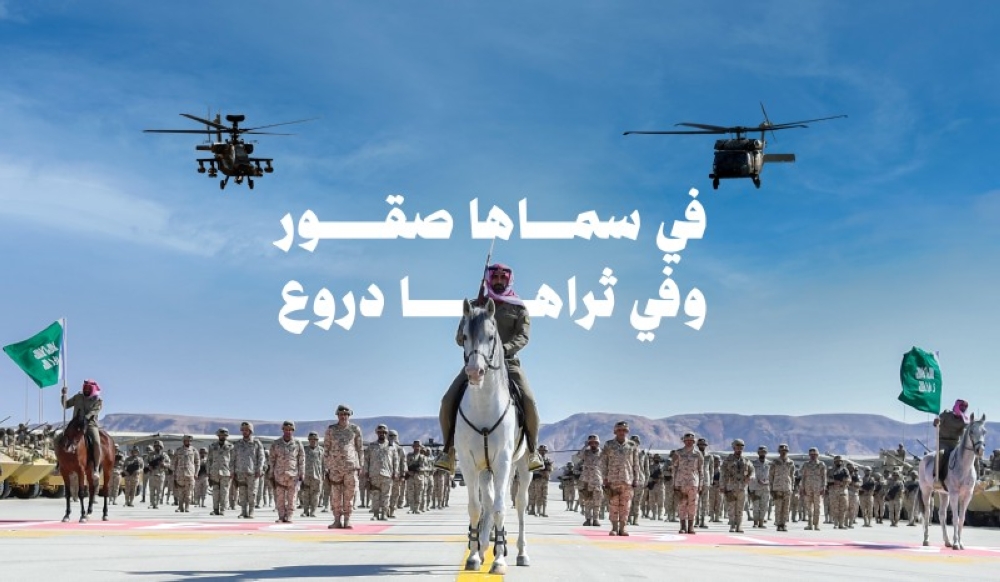
يحمل الحرس الوطني دوراً يتجاوز الوظيفة العسكرية، إذ ينهض برسالة حماية الدولة والمجتمع، ويحتضن في ألويته رموزاً من تراث الأمة. ومن خلال تسمية اللواء باسم الخليفة عمر بن عبدالعزيز، تظهر النية في استحضار معاني العدل، والسمو الأخلاقي، والانضباط الذي يوازن بين القوة والحكمة.
هذا التشكيل الأمني في قلب القصيم، يُجسّد رؤية المؤسسة العسكرية في ربط العمل الميداني بالقيم المتجذرة في التاريخ الإسلامي، ويمنح الأفراد والعناصر منسوبي اللواء هوية متجذرة في مبدأ «العدل أساس الملك».
هنّأ أمير القصيم قائد اللواء على هذه الثقة، مشيداً بدور الحرس الوطني في دعم الأمن، وتثبيت الاستقرار، وخدمة الإنسان والمكان. ويُعد هذا التعيين امتداداً لخط متصاعد تتبناه المؤسسة في تعظيم القيم المرتبطة بالقدوة التاريخية، وتحويلها إلى سلوك إداري وأمني داخل المنظومة الحديثة.
أعرب اللواء رضا بن منقل العنزي عن اعتزازه بالثقة، مؤكداً التزامه بأداء مهماته وفق ما يليق بتاريخ هذا الاسم الذي يتصدر راية اللواء، وسائلاً المولى التوفيق في خدمة الدين، ثم الملك والوطن.
وُلد الخليفة عمر بن عبدالعزيز عام 61 للهجرة في المدينة المنورة، ونشأ بين العلم والتقوى، متأثراً بجده لأمه عمر بن الخطاب. وقد عُرف بسياسته القائمة على الشفافية والورع، وحكمته التي أعادت هيبة الدولة وقلوب الرعية خلال فترة قصيرة.
تراثه لم يُطوَ في كتب السير، بل بقي حاضراً في الضمير الإسلامي، ليظهر مجدداً في اسم لواءٍ عسكري يخدم المملكة اليوم بروح تلك العدالة الغائبة في كثير من العصور.
Since the era of the first caliphate, leadership has been associated with responsibility, and authority has been coupled with justice. Exceptional figures emerged who shaped the meanings of asceticism and wise governance, and Umar ibn Abdulaziz was one of the greatest of those names. The Umayyad caliph who followed the path of the rightly guided caliphs redefined the concept of governance in two and a half years, making his legacy a source of inspiration through the centuries.
In continuation of this meaning, the Prince of the Al-Qassim Region, Prince Dr. Faisal bin Mishal bin Saud bin Abdulaziz, received Major General Reda bin Munkal Al-Anzi on the occasion of the decision to appoint him as the commander of the Umar ibn Abdulaziz Brigade for Special Security, affiliated with the National Guard in the Al-Qassim Region.
The National Guard carries a role that goes beyond military function, as it undertakes the mission of protecting the state and society, embracing in its brigades symbols from the nation's heritage. By naming the brigade after Caliph Umar ibn Abdulaziz, the intention to evoke meanings of justice, moral elevation, and discipline that balances strength and wisdom is evident.
This security formation in the heart of Al-Qassim embodies the vision of the military institution in linking fieldwork with values rooted in Islamic history, granting individuals and elements of the brigade an identity grounded in the principle of "justice is the foundation of kingship."
The Prince of Al-Qassim congratulated the brigade commander on this trust, praising the role of the National Guard in supporting security, establishing stability, and serving the people and the place. This appointment is considered an extension of a rising line adopted by the institution to enhance values associated with historical role models and transform them into administrative and security behavior within the modern system.
Major General Reda bin Munkal Al-Anzi expressed his pride in the trust, affirming his commitment to fulfilling his duties in accordance with what befits the history of this name that leads the brigade, asking the Almighty for success in serving the religion, then the king and the homeland.
Caliph Umar ibn Abdulaziz was born in 61 AH in Medina, raised amidst knowledge and piety, influenced by his maternal grandfather, Umar ibn Al-Khattab. He was known for his policy based on transparency and piety, and his wisdom restored the dignity of the state and the hearts of the subjects in a short period.
His legacy has not been confined to the books of biographies but remains present in the Islamic conscience, re-emerging in the name of a military brigade that serves the kingdom today with the spirit of that justice which has been absent in many eras.