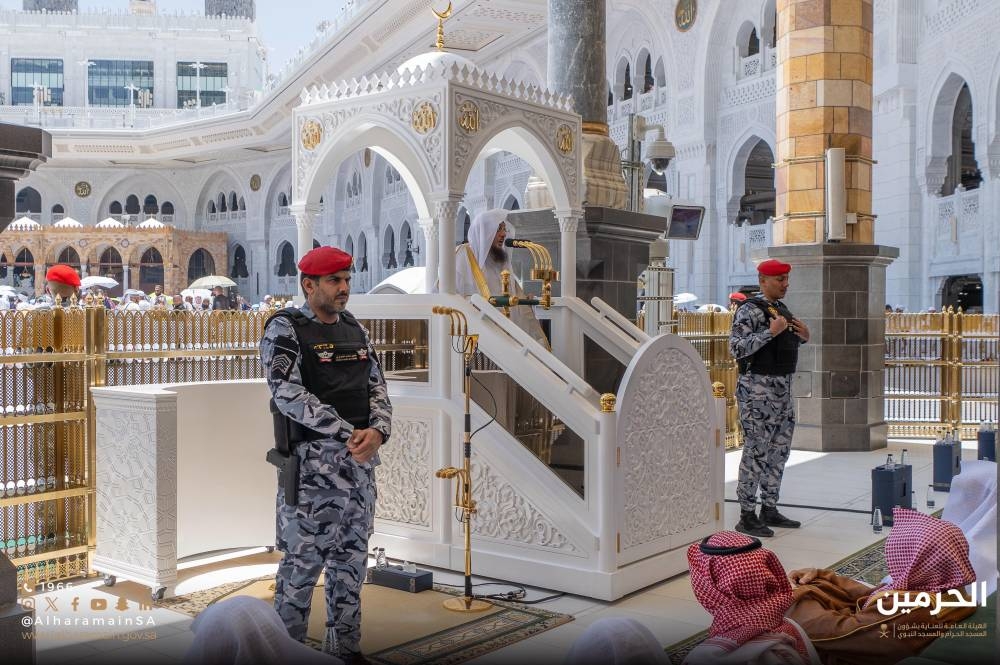
أوصى إمام وخطيب المسجد الحرام الشيخ الدكتور أسامة بن عبدالله خياط في خطبة الجمعة، المسلمين بتقوى الله وعبادته، والتقرب إليه بطاعته واجتناب نواهيه ومساخطه.
وقال: «إن وقفة التوديع مثيرة للأشجان، ومهيجة للأحزان؛ إذ هي مصاحبة للرحيل، ومؤذنة بالانقضاء. لقد مضى عام كامل، تقلبت فيه الأحوال، وفنيت الأعمار، وحلت بالأمة فيه نوازل، وإذا كان ذهاب الليالي والأيام عند الغافلين اللاهين لا يعدو كونه مضي يوم ومجيء آخر، فإنه عند أولي الأبصار باعث حي من بواعث الاعتبار، ومصدر متجدد من مصادر العظة»، كما قال أبو الدرداء رضي الله عنه، فيما رواه الحسن البصري رحمه الله عنه: «يا ابن آدم، إنما أنت أيام، فإذا ذهب يوم ذهب بعضك»، ويصوره أيضًا قول بعض السلف: «كيف يفرح بمرور الأعوام من يومه يهدم شهره، وشهره يهدم سنته، وسنته تهدم عمره؟ كيف يفرح من يقوده عمره إلى أجله، وحياته إلى موته؟ وقول بعضهم: «من كانت الليالي مطاياه، سارتا به وإن لم يسر».
وأشار الدكتور أسامة، إلى أن أولي الألباب يتوقفون عند وداع العام وقفة مراجعة للذات ومحاسبة للنفس، مثل التاجر الحاذق الذي يتفقد تجارته، فينظر إلى أرباحه وخسائره، باحثًا عن الأسباب، متأملًا في الخطأ والصواب، وإن سلوك المسلم الواعي هذا المسلك الرشيد، ليفوق ذلك في شرف مقاصده، ونبل غاياته، وسمو أهدافه؛ لأنه يسعى إلى الحفاظ على المكاسب الحقة التي لا تبور تجارتها، ولا يكسد سوقها، ولا تفنى أرباحها، من كنوز الأعمال، وأرصدة الباقيات الصالحات التي جعل الله لها مكانًا عليًا، ومقامًا كريمًا، وفضلها على ما سواها، فقال تعالى: (الْمَالُ وَالْبَنُونَ زِينَةُ الْحَيَاةِ الدُّنْيَا وَالْبَاقِيَاتُ الصَّالِحَاتُ خَيْرٌ عِندَ رَبِّكَ ثَوَابًا وَخَيْرٌ أَمَلًا)، لذا كانت العناية بهذه المراجعة، والحرص على هذه المحاسبة، ديدن الأيقاظ، ونهج الراشدين، لا يشغلهم عنها لهو الحياة ولغوها، وزخرفها وزهرتها وزينتها، فيقطعون أشواط الحياة بحظ وافر من التوفيق في إدراك المنى، وبلوغ الآمال، والظفر بالمقاصد، والسلامة من العثرات، وعلى النقيض منهم، أولئك الغافلون السادرون في غيهم وغفلتهم، فإنهم لا يفيقون من سكرتهم، للنظر في مغانمهم ومغارمهم، ولا لاستصلاح ما فرط منهم، والاعتبار بالمصائب، والاتعاظ بالنوازل، فهم ممن نسي الله فأنساهم العمل لما فيه صلاحهم وفلاحهم في دنياهم وعقباهم.
وأوضح الشيخ أسامة، أن ارتباط المراجعة والمحاسبة بالتغيير نحو الأفضل والأكمل هو ارتباط وثيق وقوي، فالمراجعة والمحاسبة تكشف للإنسان مواطن النقص والخلل والعيوب، فإذا عزم المصحح، وأخلص النية، واتضح له الطريق، وأحسن العمل، جاءه عون الله بمدد لا ينقطع، فيُحسن عاقبته ويجزيه خير الجزاء. إن الحاجة إلى سلوك نهج المراجعة والمحاسبة ليست مقتصرة على أفراد أو فئة معينة، بل الأمة الإسلامية بأسرها في حاجة ماسة إليها، ولا يمكنها الاستغناء عنها، وهي تودع عامًا مضى وتستقبل عامًا جديدًا، ولكن هذه المراجعة والمحاسبة تتسع أبعادها، ويعم نفعها، وتعظم فائدتها بالنسبة للأمة.
وأضاف إمام وخطيب المسجد الحرام أن محاسبة النفس هي أوضح دليل على كمال عقل المرء، وحرصه التام على أسباب سعادته ونجاحه في كل ما يفعل ويترك، وهي وقفة لا بد لكل عاقل أن يقفها مع نفسه بعد كل عمل، وعند نهاية كل مرحلة، وفي ختام كل مهمة، إذا أراد أن يستقيم أمره، ويصلح حاله، ويسلم مصيره، لينال الفوز العظيم في الدنيا والآخرة، مؤكدًا أهمية المداومة على هذه المراقبة الصادقة المحكمة، خاصة عند استقبال مرحلة جديدة من العمل، واستئناف مسيرة الحياة، مع الاعتماد على ما مضى، وعزم على التصحيح والتخطيط لما بقي.
وفي خطبة المسجد النبوي أوصى الدكتور حسين آل الشيخ، المسلمين بتقوى الله جل وعلا، فتقواه سبب الفوز بكل مرغوب، والنجاة من كل مرهوب، مستشهدًا بقوله تعالى: (وَاتَّقُوا اللَّهَ لَعَلَّكُمْ تُفْلِحُونَ).
وأوضح أن من صفات أهل الإيمان تفكرهم الدائم في تعاقب الأيام وتواليها، واستشعارهم لما تحمله من عبر وعظات، مما يقودهم لعبادة ربهم، والتقرب إليه بمختلف الطاعات، والابتعاد عن المعاصي والسيئات، مستشهدًا بقوله تعالى: (إِنَّ فِي خَلْقِ السَّمَاوَاتِ وَالْأَرْضِ وَاخْتِلَافِ اللَّيْلِ وَالنَّهَارِ لَآيَاتٍ لِّأُولِي الْأَلْبَابِ).
وقال: «حق علينا الاعتبار بتوالي السنين وسرعة مرورها، وأن نحاسب الأنفس محاسبة جادة صادقة تكون منها التوبة النصوح، والإنابة الجادة لما يحقق العبودية الكاملة لله جل وعلا، ففي اختلاف الليل والنهار، ومرور الأيام والشهور، أعظم واعظ لمن تذكر وتدبر، واعتبر تدبرًا يؤول به لتعظيم الخالق، وتحقيق العبودية له جل وعلا».
وأشار الدكتور آل الشيخ، إلى أن الواجب على العبد المسلم في هذه الحياة، المسارعة إلى مرضاة ربه عز وجل، والبعد التام عن الآثام والسيئات، فشأن المسلم أن يزداد بمرور الأوقات تقربًا لربه، محذرًا من الانشغال في الدنيا الفانية عن الآخرة الباقية، مستشهدًا بقوله تعالى: (يَا قَوْمِ إِنَّمَا هذه الْحَيَاةُ الدُّنْيَا مَتَاعٌ وَإِنَّ الْآخِرَةَ هِيَ دَارُ الْقَرَارِ).
وتابع مبينًا أن المسلم هو من يجعل مرور الأعوام فرصة للتزود من الخيرات ومضاعفة الصالحات، مستدلًا بقول النبي -عليه الصلاة والسلام- (خيركم من طال عمره وحسن عمله)، مشيرًا إلى أن الميزان في الربح والخسران، والفوز والحرمان، إنما هو بكمال الإيمان، وطاعة الرحمن، ومتابعة سيد ولد عدنان عليه أفضل الصلاة والسلام.
وذكر أن من علامات الشقاء، أن تمر الأعوام والإنسان غافل عن محاسبة نفسه ومراجعة حاله، فالتسويف في التوبة قسوة عظمى وبلية كبرى، مبينًا أن الواجب على المسلم أن يلين قلبه لآيات ربه الكونية والشرعية، وأن يصلح علاقته بدينه وشريعة ربه، مستدلًا بقوله تعالى: (أَلَمْ يَأْنِ لِلَّذِينَ آمَنُوا أَن تَخْشَعَ قُلُوبُهُمْ لِذِكْرِ اللَّهِ وَمَا نَزَلَ مِنَ الْحَقِّ).
وختم إمام وخطيب المسجد النبوي الخطبة موصيًا المسلمين بالمبادرة -رحمهم الله- إلى المسارعة في الخيرات، والتسابق في الطاعات، والحذر من الوقوع في المعاصي والسيئات، والتمسك بشرع رب الأرض والسماوات، وحثّ على الإكثار من الصلاة والسلام على نبينا محمد -صلى الله عليه وسلم-، لما في ذلك من رفعة في الدرجات، ونيلٍ للثواب والحسنات.
The Imam and preacher of the Grand Mosque, Sheikh Dr. Osama bin Abdullah Al-Khiyat, advised Muslims during the Friday sermon to fear Allah and worship Him, to draw closer to Him through obedience, and to avoid His prohibitions and displeasures.
He said: "The farewell moment stirs emotions and evokes sadness; it is accompanied by departure and heralds the end. A whole year has passed, during which circumstances have changed, lives have been spent, and calamities have befallen the nation. While the passing of days and nights for the heedless and distracted may seem like merely the passing of one day and the arrival of another, for those with insight, it serves as a vibrant reminder for reflection and a renewed source of admonition." As Abu Darda, may Allah be pleased with him, said, as narrated by Al-Hasan Al-Basri, may Allah have mercy on him: "O son of Adam, you are but days; when a day passes, a part of you passes." This is also reflected in the saying of some of the early generations: "How can one rejoice at the passing of years when each day destroys a month, each month destroys a year, and each year destroys a lifetime? How can one rejoice when his lifetime leads him to his end, and his life leads him to his death?"
Dr. Osama pointed out that the wise reflect on the farewell of the year as a moment for self-review and accountability, like a shrewd merchant who inspects his trade, looking at his profits and losses, searching for reasons, and contemplating mistakes and successes. The conscious Muslim's adherence to this prudent path surpasses that in nobility of purpose, high aspirations, and lofty goals; because he strives to preserve the true gains that will never fail, nor will their market stagnate, nor will their profits perish, from the treasures of good deeds and the reserves of righteous actions that Allah has granted a high status and a noble rank, favoring them over others. Allah, the Exalted, said: (Wealth and children are but adornment of the worldly life, but the enduring good deeds are better to your Lord for reward and better for [one's] hope).
Therefore, the attention to this review and the commitment to this accountability is the hallmark of the vigilant and the path of the righteous, who are not distracted by the amusements and trivialities of life, its adornments, and its embellishments. They traverse the stages of life with ample success in achieving their aspirations, reaching their hopes, attaining their goals, and being safe from pitfalls. In contrast, those heedless ones, lost in their folly and negligence, do not awaken from their stupor to consider their gains and losses, nor to rectify what they have neglected, nor to reflect on calamities and learn from misfortunes. They are among those who forgot Allah, so He caused them to forget the deeds that would benefit them in this world and the Hereafter.
Sheikh Osama clarified that the connection between review and accountability and the change towards betterment and perfection is a strong and close bond. Review and accountability reveal to a person the areas of deficiency, faults, and shortcomings. If the corrector is determined, sincere in intention, and the path becomes clear to him, and he performs good deeds, Allah's assistance will come to him with unending support, leading to a good outcome and rewarding him with the best reward. The need to adopt the path of review and accountability is not limited to individuals or a specific group; rather, the entire Muslim nation is in dire need of it, and it cannot do without it as it bids farewell to a year gone by and welcomes a new one. However, this review and accountability expand in their dimensions, and their benefits increase for the nation.
The Imam and preacher of the Grand Mosque added that self-accountability is the clearest evidence of a person's complete intellect and his full concern for the causes of his happiness and success in all that he does and leaves. It is a moment that every rational person must take with himself after every action, at the end of every stage, and upon completing every task, if he wishes to set his affairs straight, rectify his condition, and secure his fate, to attain great success in this world and the Hereafter. He emphasized the importance of maintaining this sincere and precise monitoring, especially when entering a new phase of work and resuming the journey of life, relying on what has passed, and being determined to correct and plan for what remains.
In the sermon at the Prophet's Mosque, Dr. Hussein Al-Sheikh advised Muslims to fear Allah, the Exalted, for His fear is the cause of success in every desired matter and salvation from every feared matter, citing His words: (And fear Allah that you may succeed).
He explained that among the characteristics of the people of faith is their constant contemplation of the succession of days and their passage, and their awareness of the lessons and admonitions they carry, which leads them to worship their Lord and draw closer to Him through various acts of obedience, while avoiding sins and misdeeds, citing His words: (Indeed, in the creation of the heavens and the earth and the alternation of the night and the day are signs for those of understanding).
He said: "It is our duty to take heed from the passing of years and their swift passage, and to hold ourselves accountable with serious and sincere accountability that leads to sincere repentance and earnest return to what fulfills complete servitude to Allah, the Exalted. In the alternation of night and day, and the passage of days and months, there is the greatest admonition for those who remember, reflect, and consider, leading them to glorify the Creator and fulfill servitude to Him, the Exalted."
Dr. Al-Sheikh pointed out that it is the duty of a Muslim in this life to hasten to please his Lord, the Almighty, and to completely distance himself from sins and misdeeds. The Muslim's concern should be to draw closer to his Lord as time passes, warning against being preoccupied with this fleeting world from the everlasting Hereafter, citing His words: (O my people, indeed, this worldly life is but a fleeting enjoyment, and indeed, the Hereafter is the abode of permanence).
He continued, explaining that a Muslim is one who makes the passing of years an opportunity to stock up on good deeds and multiply righteous actions, citing the Prophet's saying - peace be upon him - (The best of you are those who live long and do good deeds), pointing out that the measure of profit and loss, success and deprivation, is through the completeness of faith, obedience to the Merciful, and following the best of creation, the Prophet Muhammad - peace be upon him.
He mentioned that one of the signs of misery is for years to pass while a person is heedless of holding himself accountable and reviewing his condition. Procrastination in repentance is a great cruelty and a major calamity, clarifying that it is obligatory for a Muslim to soften his heart to the verses of his Lord, both universal and legislative, and to rectify his relationship with his religion and the Sharia of his Lord, citing His words: (Has the time not come for those who have believed that their hearts should become humbly submissive to the remembrance of Allah and what has come down of the truth?).
He concluded the sermon at the Prophet's Mosque by advising Muslims to hasten - may Allah have mercy on them - to engage in good deeds, compete in acts of obedience, be cautious of falling into sins and misdeeds, and adhere to the Sharia of the Lord of the heavens and the earth. He encouraged them to increase their prayers and salutations upon our Prophet Muhammad - peace be upon him - for therein lies elevation in ranks and attainment of rewards and good deeds.