انطلقت فعاليات القمة العالمية الثانية للاقتصاد الإسلامي؛ التي ينظمها منتدى البركة، أمس (الجمعة)، في إسطنبول، بحضور الرئيس التركي رجب طيب أردوغان.
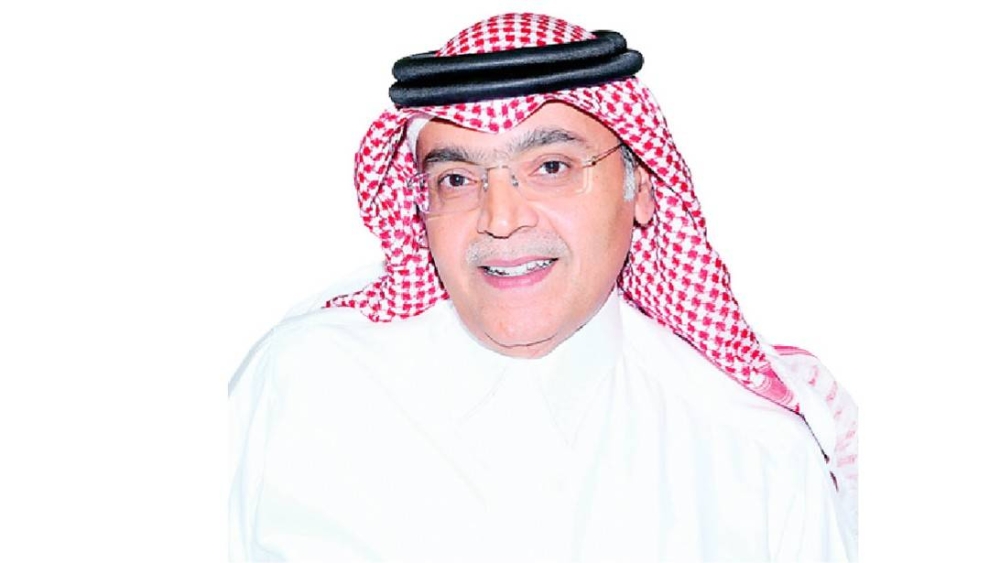
وفي كلمته بالجلسة الافتتاحية لأعمال القمة، أكد رئيس مجلس أمناء منتدى البركة للاقتصاد الإسلامي عبدالله صالح كامل، أنَّ انطلاقة الاقتصاد الإسلامي الحديث تعود إلى المدينة المنورة، وأنَّ المملكة العربية السعودية أسهمت منذ وقتٍ مبكرٍ في ترسيخ هذا النموذج القائم على القيم الإسلامية والعدالة الاجتماعية.
وأوضح كامل أن أولى ندوات المنتدى انطلقت من المدينة المنورة قبل أكثر من خمسين عاماً، لتؤسس حراكاً فكرياً واقتصادياً إسلامياً متكاملاً، داعياً إلى تعزيز دور المملكة في قيادة هذا المسار الإستراتيجي في ظل التحولات الاقتصادية العالمية المتسارعة. وشدّد على أهمية الاستثمار في أدوات التمويل الإسلامي؛ مثل الوقف والزكاة والصكوك والقرض الحسن، بعد أن أصبح الاقتصاد الإسلامي اليوم، أحد الحلول الواقعية التي يمكن أن تُسهم في مواجهة الأزمات التنموية وتعزيز الاستقرار الاجتماعي والمالي في المجتمعات.
The second global summit for the Islamic economy, organized by the Al Baraka Forum, kicked off yesterday (Friday) in Istanbul, with the presence of Turkish President Recep Tayyip Erdoğan.
In his speech at the opening session of the summit, Abdullah Saleh Kamel, Chairman of the Board of Trustees of the Al Baraka Forum for Islamic Economy, emphasized that the modern Islamic economy originated in Medina, and that the Kingdom of Saudi Arabia has contributed early on to establishing this model based on Islamic values and social justice.
Kamel explained that the first seminars of the forum began in Medina over fifty years ago, laying the groundwork for a comprehensive Islamic intellectual and economic movement, calling for enhancing the Kingdom's role in leading this strategic path in light of the rapidly changing global economic transformations. He stressed the importance of investing in Islamic financing tools, such as waqf, zakat, sukuk, and qard hasan, as the Islamic economy today has become one of the realistic solutions that can contribute to addressing developmental crises and enhancing social and financial stability in communities.