طرحت وزارة البلديات مشروع دليل إجرائي موحد للقرارات المساحية في السعودية لضبط إجراءات تحديد العقارات وتوحيد المرجعيات الفنية عبر المنصة، وألزمت المكاتب الهندسية بمعايير دقيقة لحماية الملكيات ومنع التداخلات، وتوفير بيانات موثوقة تعكس الواقع الفعلي للعقارات.
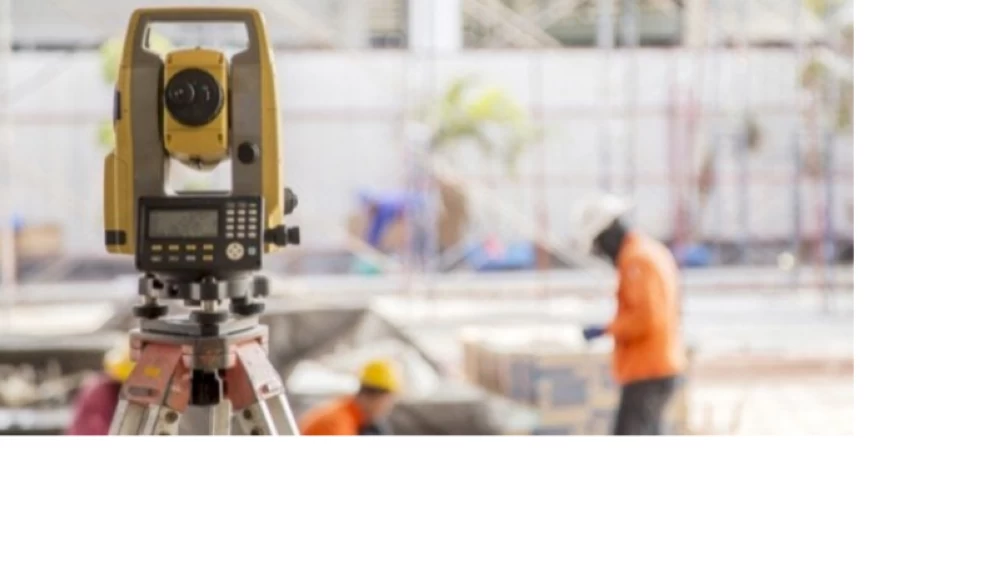
وطبقاً للمسودة، يحظر اعتماد أي قرار مساحي في مجاري الأودية والسيول أو المناطق المحظورة مع توضيح التداخلات إن وجدت لاستبعادها من المساحة الصافية، كما تلتزم المكاتب الهندسية باستخدام أجهزة رصد متطورة «GNSS» ومحطات متكاملة لضمان دقة الإحداثيات. وحذرت البلديات من تقديم أي معلومات غير صحيحة أو مخالفة للواقع، وحددت معايير فنية صارمة للدقة المساحية تراوح بين 3 مليمترات و5 سنتيمترات حسب نوع المشروع، مع اشتراط استخدام المرجع الجيوديسي الوطني السعودي في كافة الإحداثيات المرصودة.
وطبقاً للمشروع، فإن القرارات المساحية لا تنتهي صلاحيتها بمدة زمنية محددة، وتظل سارية المفعول ما لم تطرأ تغيرات جوهرية على بيانات الأرض أو المخططات التنظيمية، ويمنح المشروع الأمانات صلاحية معالجة الاختلافات بين مساحة الصك والواقع، وفق هوامش محددة ونظم زوائد المنح، قبل اعتماد القرار بشكل نهائي.
وأكد الدليل ضرورة فصل القرار المساحي لكل قطعة أرض بشكل مستقل، مع استثناءات محدودة تتيح دمج أكثر من صك أو قطعة لغرض تحديد الأجزاء المتبقية وفق ضوابط محددة، ويقتصر دور القرار المساحي على وصف الأرض وحدودها وأبعادها، ولا يُعتد به كوثيقة لإثبات مساحات المباني أو المنشآت القائمة عليها، ولا يثبت الملكية بذاته.
The Ministry of Municipalities has introduced a unified procedural guide for surveying decisions in Saudi Arabia to regulate the procedures for determining properties and standardize technical references through the platform. It has mandated engineering offices to adhere to precise standards to protect ownership and prevent overlaps, and to provide reliable data that reflects the actual reality of properties.
According to the draft, it is prohibited to approve any surveying decision in the channels of valleys and floods or in restricted areas, with clarifications on overlaps, if any, to exclude them from the net area. Engineering offices are required to use advanced monitoring devices "GNSS" and integrated stations to ensure the accuracy of coordinates. Municipalities have warned against providing any incorrect information or information that contradicts reality, and have set strict technical standards for surveying accuracy ranging between 3 millimeters and 5 centimeters depending on the type of project, with a requirement to use the Saudi National Geodetic Reference in all recorded coordinates.
According to the project, surveying decisions do not expire after a specified period and remain valid unless there are substantial changes to the land data or regulatory plans. The project grants the authorities the right to address discrepancies between the area of the deed and reality, according to specified margins and excess grant systems, before the decision is finalized.
The guide emphasizes the necessity of separating the surveying decision for each piece of land independently, with limited exceptions allowing the merging of more than one deed or piece for the purpose of determining the remaining parts according to specific controls. The role of the surveying decision is limited to describing the land, its boundaries, and its dimensions, and it is not considered a document for proving the areas of buildings or structures on it, nor does it establish ownership by itself.