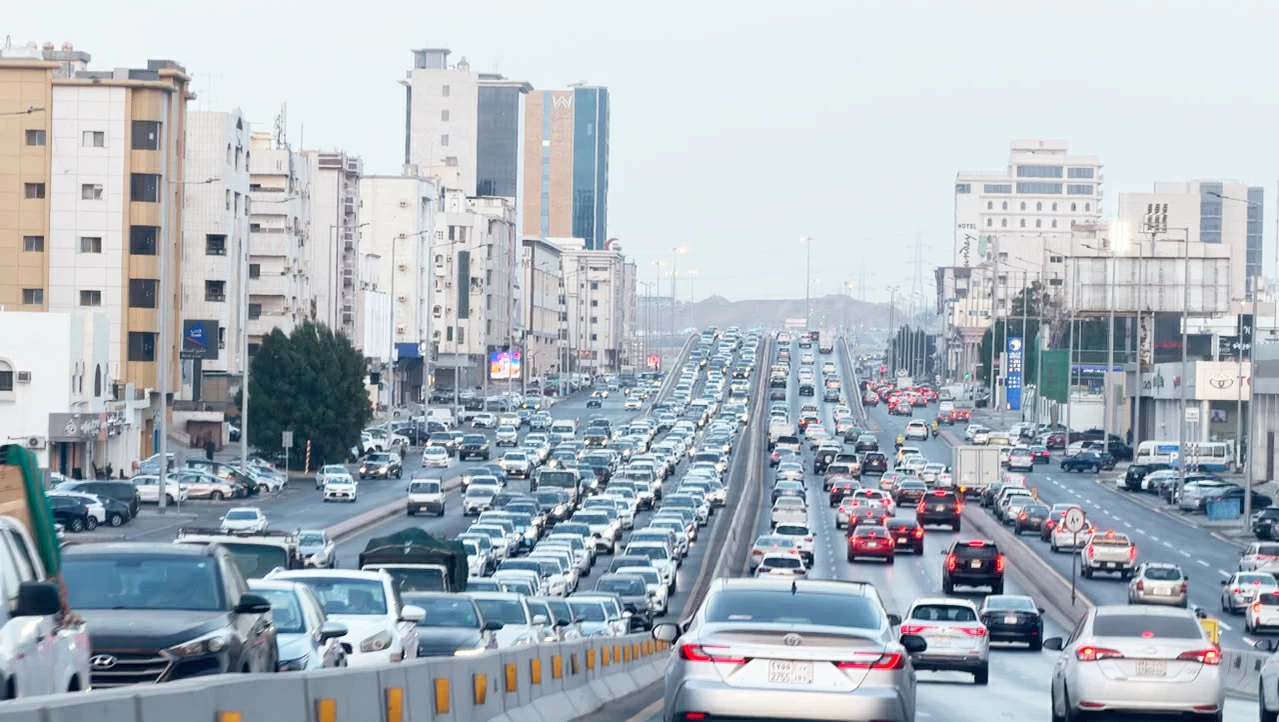
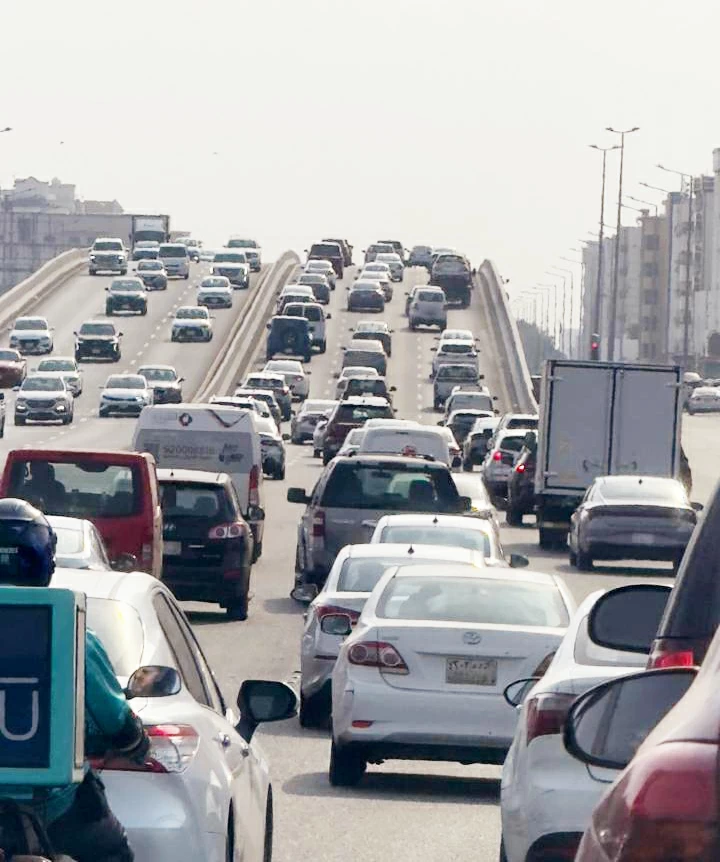
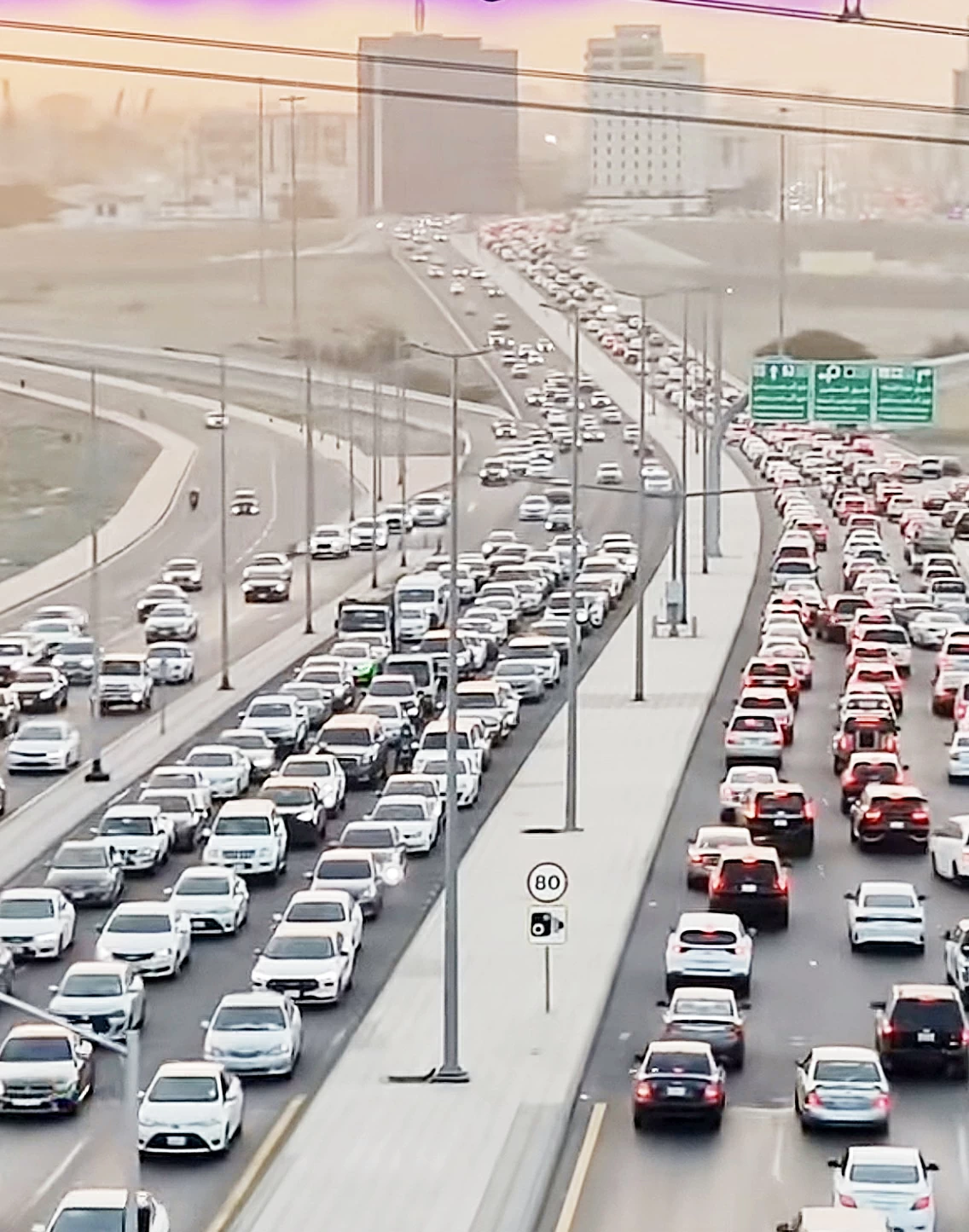
رحلة الذهاب إلى العمل والعودة في محافظة جدة، تتحول إلى تحدٍ يومي لكثير من السكان في ظل تزايد الضغط المروري على عدد من الطرق والمحاور الرئيسية، خصوصاً خلال ساعات الصباح الباكر وعند انصراف الموظفين والطلاب.
ويبرز الازدحام على طريق الأمير محمد بن عبدالعزيز (التحلية)، وطريق الحرمين، وطريق فلسطين، وطريقي الأمير متعب والأمير ماجد، إذ تتباطأ حركة المركبات وتتزايد فترات الانتظار، ما ينعكس سلباً على وقت الوصول إلى مقار العمل والمدارس والالتزامات اليومية.
لا تبدو المشكلة مقتصرة على كثافة المركبات وحدها، بل ترتبط ايضاً بتزامن مواعيد «الدوامات»، وتداخل الحركة المحلية مع حركة العبور بين أحياء المحافظة، والضغط على التقاطعات ومداخل الطرق ومخارجها، فضلاً عن محدودية البدائل المناسبة لبعض الأحياء في أوقات الذروة.
طرق رئيسية في مواجهة الضغط
يمثل طريق «التحلية»، أحد المحاور التي تتأثر بكثافة الحركة، بحكم امتداده على مناطق تجارية وخدمية تشهد نشاطاً يومياً، وتتزايد أهمية طريق الحرمين باعتباره محوراً حيوياً لحركة التنقل بين أجزاء واسعة من جدة، فيما يواجه طريق فلسطين ضغطاً عند التقاطعات ومناطق النشاط التجاري، بينما تتداخل على طريقي الأمير متعب والأمير ماجد حركة التنقل بين الأحياء مع الرحلات المتجهة إلى المحاور الرئيسية.
حلول عملية لتخفيف الاختناقات
الخبير الأمني اللواء المتقاعد حسين الحارثي، يرى في حديثه لـ«عكاظ»، أن الازدحام المروري في جدة يتطلب حزمة من الإجراءات المتكاملة، يأتي في مقدمتها توزيع ساعات الدوام بين الجهات الحكومية والقطاع الخاص والمدارس والجامعات، بما يحد من تدفق أعداد كبيرة من المركبات في توقيت واحد، مع توسيع فرص العمل المرن والعمل عن بعد في الوظائف التي تسمح طبيعتها بذلك.
وأضاف الحارثي، أن الحل يتمثل في تحسين توقيت الإشارات المرورية وفق كثافة المركبات الفعلية، وتعزيز المراقبة الميدانية في التقاطعات الأكثر ازدحاماً، وإزالة أسباب التعطل سريعاً عند وقوع الحوادث أو تعطل المركبات، إلى جانب تنظيم مواقف السيارات ومناطق تحميل الركاب وإنزالهم بالقرب من المراكز التجارية والمدارس.
وعلى المدى المتوسط والطويل، تظل زيادة كفاءة الطرق القائمة، واستكمال المحاور والطرق البديلة، وتحسين الربط بين الأحياء الشرقية والشمالية والجنوبية، من الحلول التي تستحق الدراسة وفق تقييم هندسي لحجم الطلب المروري وكذا تطوير النقل العام وتشجيع استخدام الحافلات، وربطها بمواقف مناسبة للسيارات، يمكن أن يسهم في تقليل الاعتماد على المركبات الخاصة.
تخفيف الازدحام بقياس الكثافة
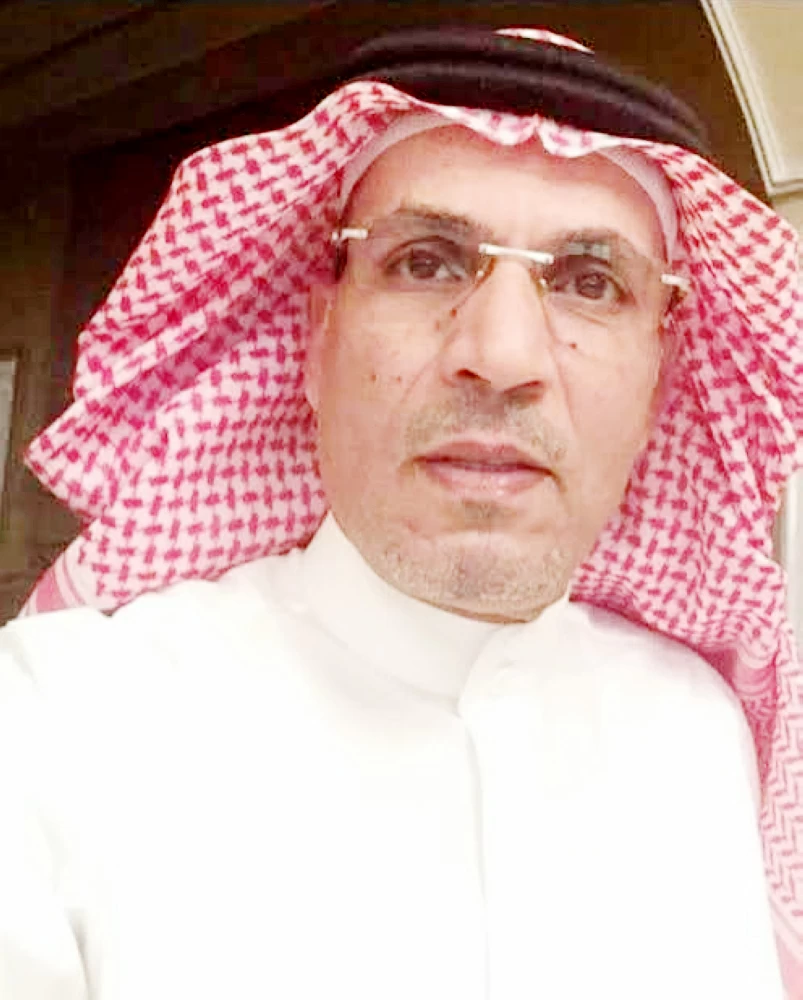
من جانبه، شدد اللواء متقاعد عبدالله جداوي، على أن إيجاد الحلول يتطلب نشر بيانات دورية عن أوقات الذروة، ومتوسط زمن الرحلات، والحوادث حسب الطريق والتقاطع، بما يساعد على تحديد الأولويات وقياس أثر الإجراءات المتخذة بدلاً من الاكتفاء بالمعالجات المؤقتة.
ويشير جداوي في حديثه لـ«عكاظ» إلى أنه بين ضغط الالتزامات اليومية وتزايد الحركة على المحاور الرئيسية، يبقى تخفيف الازدحام في جدة مسؤولية مشتركة بين الجهات المعنية بالتخطيط والنقل والمرور، ومستخدمي الطرق أنفسهم. فالالتزام بالمسارات، وترك مسافة أمان، وتجنب استخدام الهاتف أثناء القيادة، وعدم التوقف العشوائي، كلها ممارسات تسهم في الحد من التعطيل والحوادث.
وقال: تتطلب المرحلة القادمة حلولاً تستند إلى البيانات الميدانية والتخطيط طويل الأمد، حتى لا تبقى رحلة الموظف والطالب بين المنزل والعمل اختباراً يومياً للصبر، بل تنقلاً أكثر أماناً وانسيابية، يواكب نمو جدة وتوسعها العمراني والاقتصادي.
The daily commute to and from work in Jeddah has become a challenge for many residents due to the increasing traffic pressure on several main roads and routes, especially during the early morning hours and when employees and students leave work.
Traffic congestion is particularly evident on Prince Mohammed bin Abdulaziz Road (Tahlia), Al-Haramain Road, Palestine Road, and Prince Muteb and Prince Majid Roads, where vehicle movement slows down and waiting times increase, negatively affecting arrival times at workplaces, schools, and daily commitments.
The problem does not seem to be limited to the density of vehicles alone; it is also related to the overlap of work schedules, the interaction of local traffic with transit traffic between neighborhoods in the governorate, and the pressure on intersections and road entrances and exits, in addition to the limited suitable alternatives for some neighborhoods during peak hours.
Main Roads Facing Pressure
Al-Tahlia Road represents one of the routes affected by traffic density, given its extension over commercial and service areas that witness daily activity. The importance of Al-Haramain Road increases as it serves as a vital axis for movement between large parts of Jeddah, while Palestine Road faces pressure at intersections and commercial activity areas. Meanwhile, the movement on Prince Muteb and Prince Majid Roads intertwines with transit between neighborhoods and trips heading to the main axes.
Practical Solutions to Alleviate Congestion
Retired security expert Major General Hussein Al-Harithi believes, in his conversation with “Okaz,” that traffic congestion in Jeddah requires a package of integrated measures, foremost among them the distribution of working hours among government entities, the private sector, schools, and universities, to limit the influx of large numbers of vehicles at the same time, along with expanding opportunities for flexible work and remote work in jobs that allow for such arrangements.
Al-Harithi added that the solution lies in improving traffic signal timing according to actual vehicle density, enhancing field monitoring at the most congested intersections, and swiftly removing causes of disruption when accidents or vehicle breakdowns occur, in addition to organizing parking spaces and passenger loading and unloading areas near commercial centers and schools.
In the medium and long term, increasing the efficiency of existing roads, completing alternative routes, and improving connectivity between the eastern, northern, and southern neighborhoods remain solutions that deserve study based on an engineering assessment of traffic demand, as well as developing public transport and encouraging bus use, linking them to suitable parking areas, which can help reduce reliance on private vehicles.
Reducing Congestion by Measuring Density
For his part, retired Major General Abdullah Jdawi emphasized that finding solutions requires disseminating periodic data on peak times, average travel times, and accidents by road and intersection, which helps in setting priorities and measuring the impact of the measures taken instead of relying solely on temporary fixes.
Jdawi pointed out in his conversation with “Okaz” that between the pressure of daily commitments and the increasing movement on main routes, alleviating congestion in Jeddah remains a shared responsibility among the entities concerned with planning, transport, and traffic, as well as the road users themselves. Adhering to lanes, maintaining a safe distance, avoiding the use of mobile phones while driving, and not stopping randomly are all practices that contribute to reducing disruptions and accidents.
He stated: The upcoming phase requires solutions based on field data and long-term planning, so that the journey of employees and students between home and work does not remain a daily test of patience, but rather a safer and smoother transit that keeps pace with the growth and urban and economic expansion of Jeddah.